Luxury Rehab With Private Rooms What to Expect

Medical Providers:
Dr. Michael Vines, MD
Alex Spritzer, FNP, CARN-AP, PMHNP
Clinical Providers:
Natalie Foster, LPC-S, MS
Last Updated: October 27, 2026

In a 2025 Inova Health survey of Northern Virginia adults, 74% of respondents said fear of exposure or stigma is a major reason people hold back from seeking care for substance use. For many families, privacy is not a luxury. It decides whether someone picks up the phone at all. That is why luxury rehab with private rooms has become a serious option for people who want treatment without an audience. This guide explains what luxury rehab with private rooms includes, how a space of your own can support recovery, and what to ask before you commit to a center.


Our Addiction Treatment Centers

Ready for Private, Personal Care? Speak with admissions today.

What Is Luxury Rehab?

Luxury rehab is residential addiction care delivered in a calmer, more private setting than a standard facility. The clinical work is the same kind you would expect anywhere credible. What changes is everything around it: quieter grounds, smaller groups, upgraded luxury amenities, private accommodations, and a staff with the time to learn who you are.

Strip away the marketing and a real luxury program still rests on a solid treatment program. Expect a medical and psychiatric assessment on arrival, a plan built around your history, and evidence based therapies such as cognitive behavioral therapy and EMDR. The extras, from gourmet meals to spa-style wellness, support that work. They never replace it.

Who is it for? Often it is people who cannot easily step away from visible lives: executives, physicians, entrepreneurs, parents with a public role. Luxury rehab with private rooms also suits anyone who simply recovers better in a calm space with fewer people around. Neither group is asking for pampering. They are asking for conditions where the hard work of treatment can actually happen.

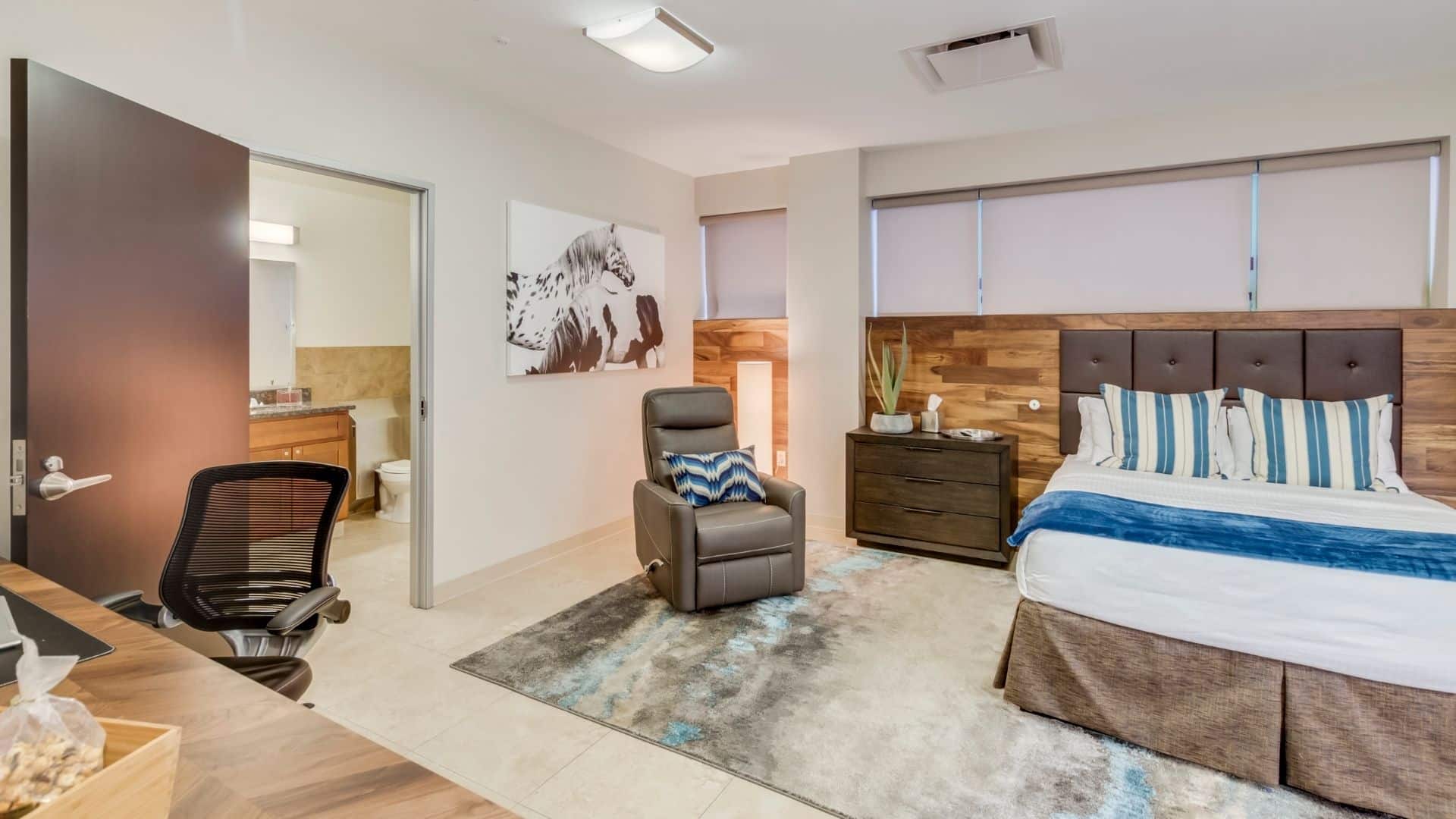
Luxury rehab with private rooms takes the idea one step further. Each client gets a space of their own to rest and process the day, and that simple change shapes almost everything else about the stay. Because fewer people share the house, luxury rehab with private rooms also tends to feel less like an institution and more like a place where you are expected to heal.

Benefits of Private Room in Addiction Rehab

The case for luxury rehab with private rooms starts with a simple fact: early addiction recovery is loud, both physically and emotionally. Withdrawal symptoms can wreck sleep for days, and difficult feelings tend to surface after dark. A private room gives the body a place to settle. Here is where privacy usually pays off:

  • Better rest. There is no roommate’s schedule or late-night chatter to manage while your body adjusts.
  • Safer honesty. You can journal, phone a counselor, or simply cry without worrying who is listening.
  • Dignity. You decide who sees you at your most vulnerable, which matters to professionals and anyone with a reputation to protect.
  • More energy for therapy. Fewer social demands leave more focus for therapy sessions and the homework that follows.
  • Less friction. Shared rooms can spark conflict, and a roommate swapping stories about using can stir up cravings.

Privacy has limits, though. Isolation is not the goal. A good luxury rehab with private rooms balances quiet time with group activities and shared meals, so the room works as a place to recharge rather than hide. Think of it as base camp: you head out every morning to do the climbing.

Want a Room of Your Own? Ask about availability today.

Drug and Alcohol Rehab With Private Rooms: What a Typical Day Looks Like

Drug and alcohol rehab with private rooms tends to run on a steady rhythm, because structure calms a nervous system that has been living in chaos. Details vary by center, but a typical day in luxury rehab with private rooms looks something like this:

Time of dayActivityPurpose
MorningBreakfast, medication check, yoga or mindfulnessSteady the body and set an intention
Late morningIndividual treatment sessionOne-on-one work on triggers and goals
MiddayGourmet meals and rest in your roomNutrition and downtime
AfternoonGroup therapy and skills workshopsPractice communication and relapse prevention
EveningFitness, massage, or free timeRelease stress through the body
NightQuiet time in your private roomReflect, journal, and sleep


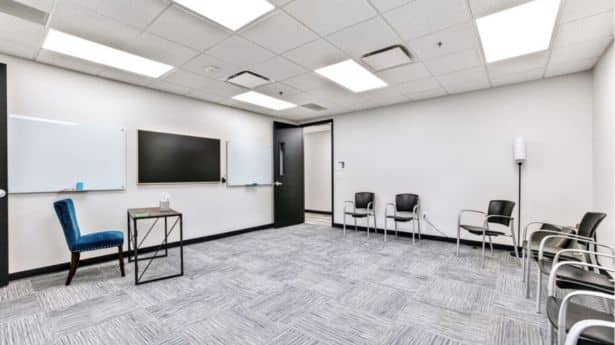
Both formats matter. Individual treatment gives you a therapist’s full attention to unpack triggers, family history, and goals. Group therapy shows you that you are not the only one struggling, and it teaches skills like boundary setting that carry past discharge. The recovery process works best when private reflection and shared experience feed each other.

Clinical depth sits beneath that schedule. Many rehabs offer trauma-informed care, which trains staff to avoid reopening old wounds while you work through them. Because addiction so often travels with anxiety, depression, or PTSD, a strong program also screens for co-occurring mental health conditions and treats them alongside the substance use disorder. Treating only one side usually leaves the other free to pull you back.

Better programs also address mind, body, and spirit together. Yoga, fitness, nutrition, and massage sit beside counseling, not in place of it. That balance is a big part of what makes luxury rehab with private rooms feel restorative rather than just comfortable.

How Do You Choose a Private Luxury Rehab Center?

Before you commit to luxury rehab with private rooms, start with credentials, not photographs. A private luxury rehab center should be state-licensed, open about who treats you, and clear about what the price includes. Then ask direct questions:

  • Is the room truly private, and is it part of the program or an upgrade? Any center advertising luxury rehab with private rooms should answer this plainly.
  • How many clients are in the house at once? Smaller groups allow more individual treatment.
  • Does the team screen for mental health conditions at admission?
  • Which treatment options are offered, such as detox, behavioral therapy, and medication-assisted treatment?
  • What is the plan for long-term recovery after discharge, including step-down care and aftercare?
  • What does insurance coverage look like? Verify benefits in advance, since coverage for clinical care can differ from coverage for upgraded accommodations.

Do not be shy about asking for a tour, in person or virtual. Rooms, grounds, and common areas tell you plenty, and so does how staff answer your questions. Location matters too. Many people choose to travel for care because distance from home adds privacy and breaks daily triggers, and Arizona’s quiet desert setting suits people who want calm and a fresh start.

The Hope House is one example of luxury rehab with private rooms worth a look. This personalized drug and alcohol rehab in Scottsdale accepts only 10 clients at a time, offers private rooms, houses clients in secluded mansions with spacious rooms, and builds personalized care plans led by master’s-level clinicians. Its treatment program draws on behavioral therapy, trauma-informed care, mental health treatment, and medication-assisted treatment, alongside holistic options like massage, yoga, and an on-site gym. Admissions specialists are available around the clock and can help verify benefits.

Choosing luxury rehab with private rooms is ultimately about fit. The right setting makes honesty easier, and honesty is where lasting recovery begins.

Take the First Step Today Confidential help is a call away.