Arizona Addiction Recovery Center A Scottsdale Guide

Medical Providers:
Dr. Michael Vines, MD
Alex Spritzer, FNP, CARN-AP, PMHNP
Clinical Providers:
Natalie Foster, LPC-S, MS

Last Updated: November 23, 2026

Arizona lost 1,609 people to alcohol-induced causes in 2024, according to KFF’s analysis of CDC data. That works out to 19.7 deaths per 100,000 residents, well above the national rate of 12.1. If someone you love is caught up in numbers like that, you’ve probably typed “Arizona addiction recovery center” into a search bar late at night. Here’s what to compare at any Arizona addiction recovery center, from detox to cost, whether you live in Scottsdale, Phoenix, or farther out.


Tall saguaro cactus beside desert shrubs with a mountain ridge and clear blue sky, Arizona Addiction Recovery Center

Our Addiction Treatment Centers

Ready to Start Recovery Today? Our admissions team answers 24/7.

Which Arizona Addiction Treatment Programs Fit Your Needs?

Arizona addiction treatment programs fall into five levels: medical detox, residential care, a partial hospitalization program, an intensive outpatient program, and standard outpatient care. Your withdrawal risk, mental health needs, and home environment decide where you start. An Arizona addiction recovery center is a facility that treats substance use disorders with medical care, therapy, and aftercare planning.

At one Arizona addiction recovery center in metro Phoenix, you might get every level under one roof. At another, you’re handed off to partner treatment facilities, which works fine if the handoff is planned. Think of it as a staircase, not a single door. Most people begin at the top and step down.

Level of careWhere you sleepBest fit
Medical detoxOn siteSafe withdrawal
ResidentialOn siteSevere or long-standing use
Partial hospitalizationHomeDaily clinical support
Intensive outpatientHomeWork and family duties

How Does Arizona Drug and Alcohol Detox Work?

Arizona drug and alcohol detox is a medically supervised process that clears substances from your body while clinicians manage withdrawal. Nurses track vital signs, doctors prescribe medication for symptoms, and the team starts planning your next step. Medical detox often lasts up to a week, depending on the substance.

Supervision isn’t optional for everyone. Alcohol and opioid withdrawal can turn dangerous quickly, so ask whether a physician is on site or on call and who checks on you overnight. Remember, too, that detox only clears the body. A solid Arizona addiction recovery center links it to residential care or an outpatient program before you walk out the door.


Unsure Which Level Fits You? Get a free, private assessment.

What Is Residential Addiction Treatment in Arizona?

Residential addiction treatment in Arizona means you live at the facility and get daily therapy, medical care, and peer support. Round-the-clock structure takes triggers out of the picture while your brain stabilizes. It fits severe use, repeated relapses, or a home that makes sobriety harder.

A typical day blends individual sessions, group work, wellness activities, and downtime. The desert helps, too. Quiet mornings near Phoenix give people room to think, and a smaller Arizona addiction recovery center usually means more one-on-one time with clinicians. Bring family members in when you can. Family involvement tends to strengthen long term recovery for anyone struggling with addiction.

When Is an Intensive Outpatient Program in Arizona the Right Step?

An intensive outpatient program (IOP) in Arizona works when you’re medically stable, have a safe place to live, and can commit to several therapy sessions a week. Intensive outpatient programs (IOPs) often follow residential care, but they also suit people whose jobs, school, or kids can’t pause.

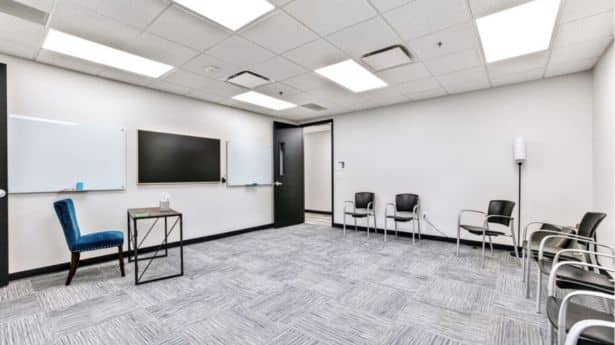
Need more hours than that? A partial hospitalization program runs longer days, often daily, without an overnight stay. When you tour, ask any Arizona addiction recovery center how many hours it requires, how it tracks progress, and whether it uses evidence-based therapies such as cognitive behavioral therapy.

Person with a backpack and camera walking across a sandy shore toward dunes, Arizona Addiction Recovery Center

Want Treatment Around Your Schedule? Ask about outpatient options today.

How Does Dual Diagnosis Treatment in Arizona Help?

Dual diagnosis treatment in Arizona treats addiction and a mental health condition together, not one after the other. Anxiety, depression, bipolar disorder, and PTSD often feed substance abuse and mental health struggles at the same time. Fix only the drinking, and the panic attacks that drove it are still waiting.

Good behavioral health teams screen for mental health issues at admission and write one plan. Mental health treatment might include CBT, DBT, EMDR, and medication management. Also ask each Arizona addiction recovery center what it can’t safely treat, such as active suicidal thoughts, before you commit.

How Much Does Arizona Rehab Cost, and Does Insurance Cover It?

Arizona rehab cost depends on the level of care, length of stay, and your insurance plan, so there’s no single price. Many insurance plans cover addiction treatment at least in part, and a benefits check shows what you’d owe. Ask any Arizona addiction recovery center about deductibles, copays, and private pay options before admission. Luxury and standard settings price differently, so compare what each bill includes.

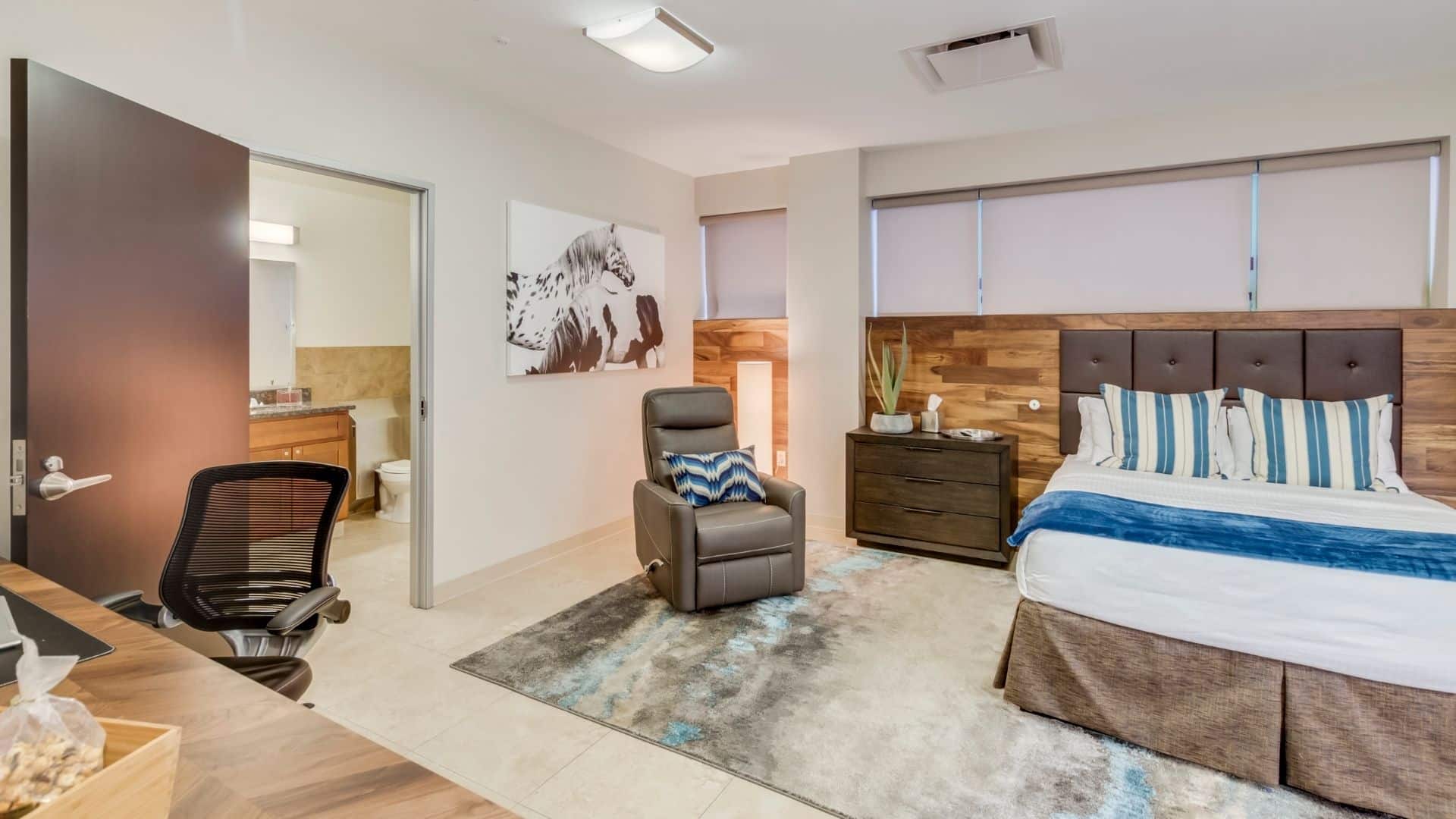
The Hope House, a personalized drug and alcohol rehab in Scottsdale, Arizona, accepts insurance plans from Aetna, Cigna, Blue Cross Blue Shield, GEHA, Beacon Health Options, Humana, Tricare, and Multiplan. It also offers private pay and payment schedules, and costs vary by policy. This Arizona addiction recovery center runs medical detox, residential rehab, and PHP and IOP outpatient care in Scottsdale. Masters-level clinicians build each personalized plan, and dual diagnosis care is included when clinicians see a need.

Frequently Asked Questions

Yes, some programs allow it. The Hope House Executive Treatment Program offers private rooms, access to electronics, and modified treatment schedules, so professionals can handle essential work while focusing on recovery. Ask about work policies before admission, because rules differ by treatment facilities and level of care.

Aftercare starts before discharge. A personalized plan can include outpatient care, sober living, and support groups. At The Hope House, case managers help clients line up next steps, so the move back to daily life has structure instead of a gap.

Yes. Many programs add experiential and alternative therapies, such as equine therapy, biofeedback, yoga, massage, and mindfulness. The Hope House lists these alongside CBT, DBT, and medication-assisted treatment. They support evidence based treatment but don’t replace it.

Medication-assisted treatment pairs prescribed medication with talk therapy to manage cravings. Options include Vivitrol, Suboxone, and methadone, depending on the substance. A medical provider decides whether medication fits, and clinicians usually taper it as therapy progresses.

Loss of control is the big one: using again and again despite wanting to stop. Other signs include intense cravings, rising tolerance, withdrawal symptoms, neglected responsibilities, and ongoing trouble at home or work. If several sound familiar, a professional assessment can show which level of care fits.

Look for individualized treatment plans, proven therapy methods, several types of therapy, progress tracking, accepted insurance, and a location you can reach consistently. Small client counts help too. The Hope House, for example, admits only 10 clients at a time for personalized attention.

Take Your First Step Today Verify your insurance benefits now.