What Makes a Rehab Facility "Luxury"?
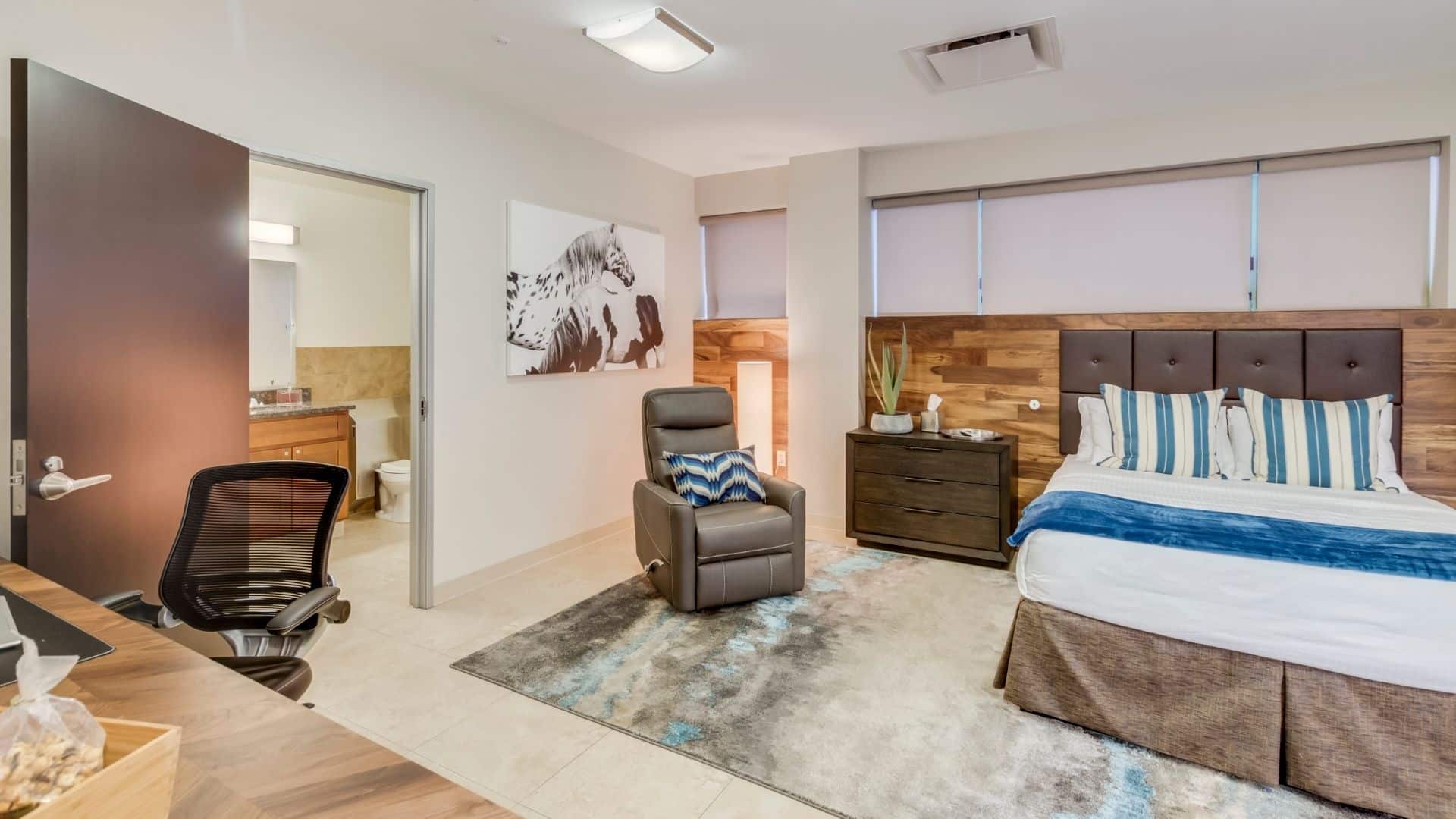
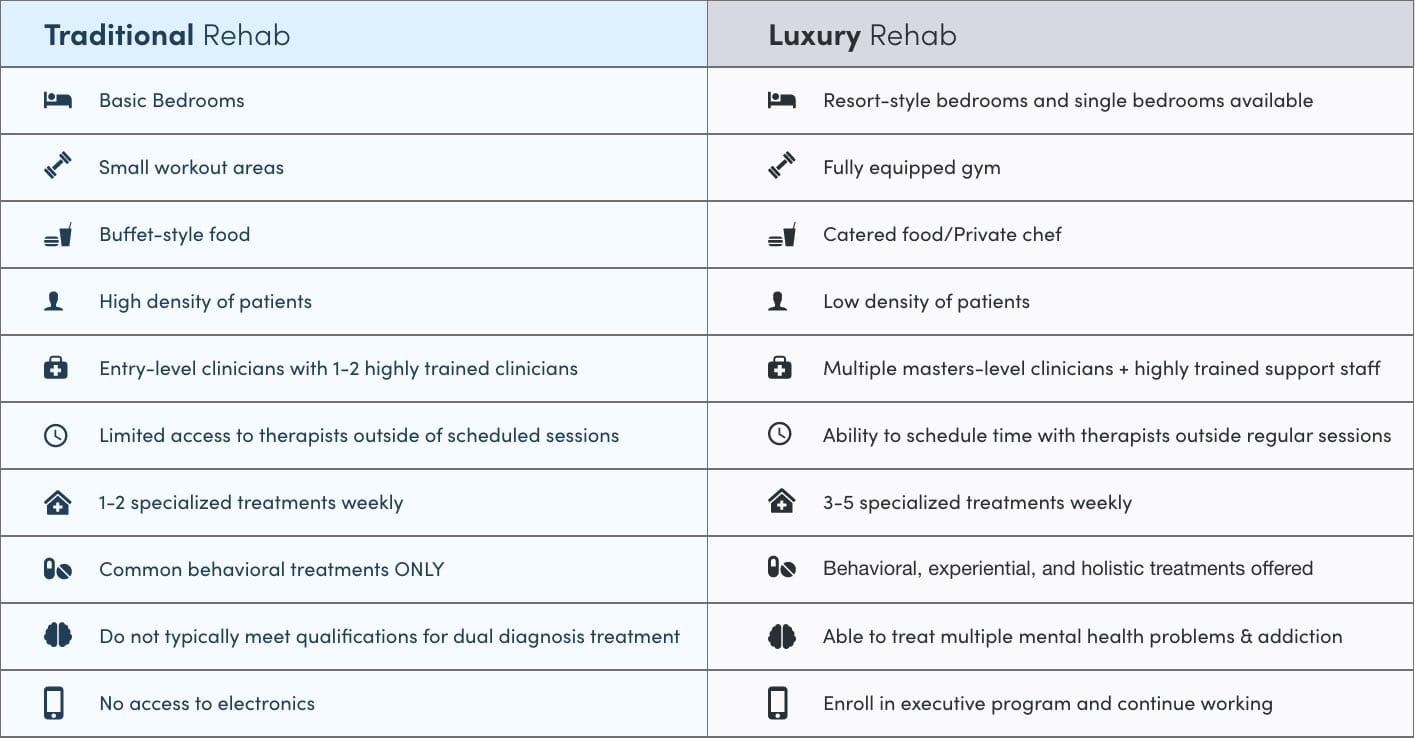
Luxury rehab facilities differentiate themselves from traditional centers through an emphasis on comfort, personalized care, and a wide array of amenities designed to support a client's recovery journey. These centers often boast resort-like settings, private or semi-private rooms, and gourmet dining options, creating an environment that feels more like a retreat than a clinical setting. The goal is to reduce the stress associated with traditional rehab and provide a more serene and conducive atmosphere for healing.
Beyond the opulent surroundings, luxury rehabs prioritize a low patient-to-staff ratio, ensuring that each individual receives ample attention and tailored treatment. This includes access to a broader spectrum of therapeutic modalities, from evidence-based practices like CBT and DBT to holistic approaches such as yoga, meditation, acupuncture, and art therapy. The focus is on addressing the whole person – mind, body, and spirit – to foster comprehensive and lasting recovery.
The Role of Dual Diagnosis in Luxury Rehab
Dual diagnosis, the co-occurrence of a substance use disorder and a mental health condition, is a critical area of focus within luxury rehab programs. These facilities are often better equipped to handle the complexities of co-occurring disorders due to their specialized clinical teams and integrated treatment approaches. Addressing both conditions simultaneously is crucial for long-term sobriety and overall well-being, as untreated mental health issues can often trigger relapse.
Luxury rehab centers provide a safe and supportive environment where individuals can receive comprehensive assessments and individualized treatment plans for both addiction and mental health challenges. Therapies may include dialectical behavior therapy (DBT), cognitive behavioral therapy (CBT), psychodynamic therapy, and medication management, all delivered by masters-level clinicians experienced in treating dual diagnosis. The aim is to help clients understand the interplay between their conditions and develop effective coping mechanisms.
Executive Programs and Continued Work in Luxury Rehab
For professionals and executives, maintaining a connection to their work during addiction treatment can be a significant concern. Luxury rehab facilities often offer specialized executive programs designed to accommodate these needs. These programs allow individuals to continue managing essential work responsibilities, attend virtual meetings, and communicate with their professional networks while still receiving intensive addiction treatment.
These executive tracks typically provide enhanced privacy, dedicated workspaces, and access to technology that facilitates remote work. The structure is carefully managed to ensure that professional obligations do not interfere with the recovery process. This approach recognizes that for many high-achieving individuals, the ability to maintain some level of professional engagement can reduce anxiety and make the decision to enter rehab more feasible, ultimately supporting their recovery.
The Importance of a Low Patient-to-Staff Ratio in Rehab
A defining characteristic of luxury rehabilitation centers is their commitment to a low patient-to-staff ratio. This intimate setting ensures that each individual receives a highly personalized and attentive level of care, which is often difficult to achieve in larger, more traditional facilities. With fewer clients per clinician, staff members can dedicate more time to understanding each patient's unique history, needs, and recovery goals.
This personalized attention translates into more frequent and in-depth therapy sessions, greater flexibility in treatment planning, and quicker responses to individual challenges or needs. A low ratio also fosters stronger therapeutic relationships, built on trust and consistent support, which are vital for navigating the complexities of addiction recovery. Furthermore, it enhances privacy and security, creating a more comfortable and focused environment for healing.