
Luxury Rehab for Executives Focused on Recovery

Medical Providers:
Dr. Michael Vines, MD
Alex Spritzer, FNP, CARN-AP, PMHNP
Clinical Providers:
Natalie Foster, LPC-S, MS
Last Updated: September 9, 2026

There is a particular kind of denial that can happen when life still looks successful from the outside. Meetings get done. Flights are booked. Payroll clears. Clients are calling. Meanwhile, drinking or drug use is taking up more space than it used to, and the person at the center of it is getting better at hiding the strain.

That can make treatment especially difficult for executives. Stepping away may feel impossible when dozens of decisions seem to depend on you.

National data shows how common substance use problems are. SAMHSA reported that 48.4 million people age 12 or older had a substance use disorder in 2024. Among adults, 6.9 million had both a serious mental illness and a substance use disorder, one reason dual diagnosis treatment matters.

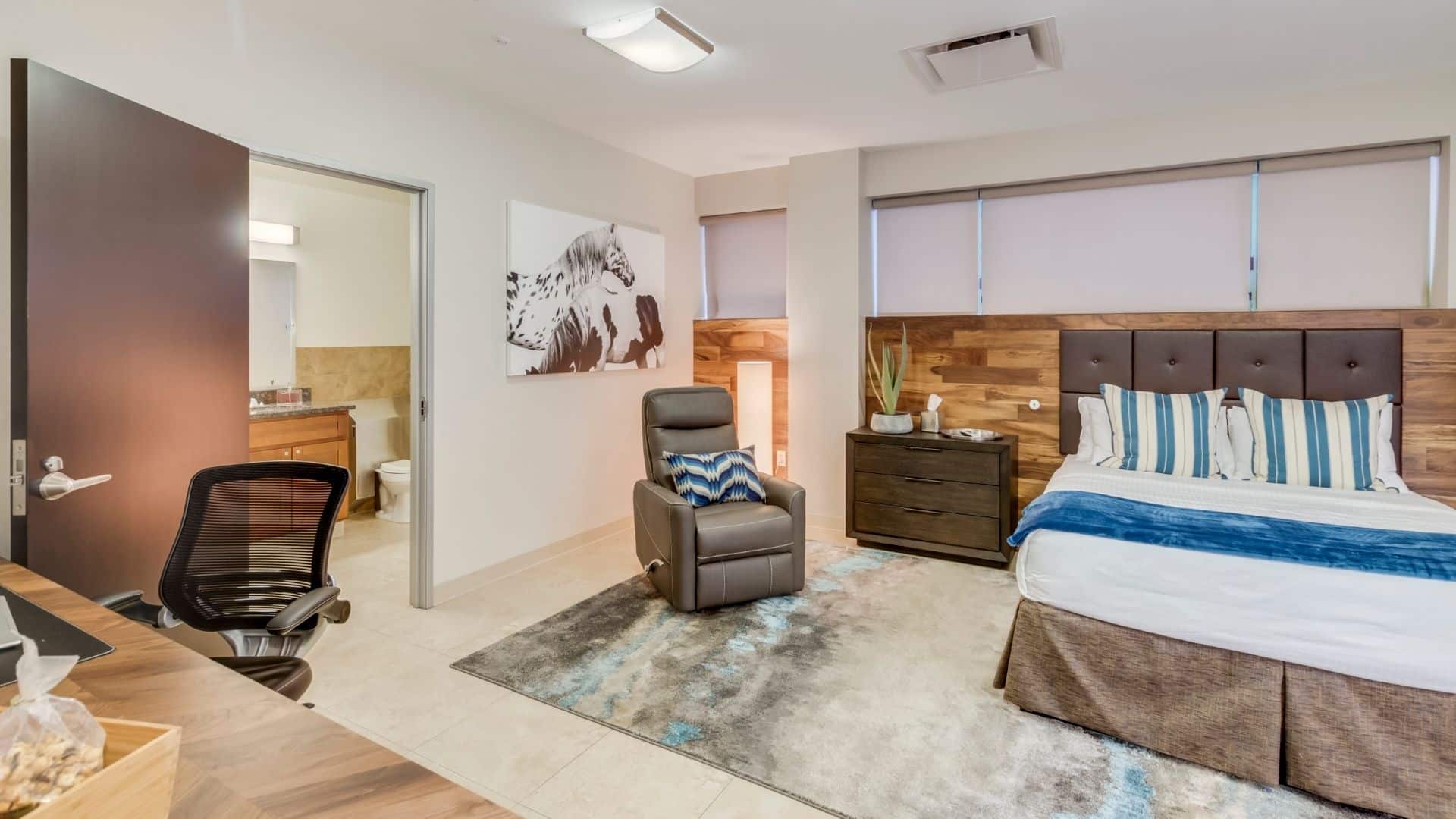
Luxury rehab for executives is built for people who need serious addiction care but also need privacy, structure, and a setting that does not feel chaotic or institutional. The “luxury” part may include private accommodations, quiet surroundings, gourmet meals, and more personal space. Those things help, but only when the clinical care underneath them is strong.


Our Addiction Treatment Centers

Make space for the life you want next. Start your recovery with The Hope House.

What is Luxury Rehab?

Luxury rehab is usually a residential or inpatient treatment option with more privacy and comfort than a standard treatment setting. Some centers are small and home-like. Others feel closer to a private wellness retreat. The surroundings change, but treatment should remain the point.

A person can have a private room, a beautiful view, and excellent food and still receive weak care. Amenities may make it easier to sleep, eat well, settle in, and stay engaged. They cannot replace qualified clinicians, medical supervision, or a thoughtful treatment plan.

In luxury rehab for executives, care may include individual therapy, group sessions, cognitive behavioral therapy (CBT), relapse prevention, family work, medication support when appropriate, and care for co-occurring disorders. If depression, anxiety, trauma, or another mental health issue is part of the picture, it should not be treated as a separate afterthought.

Privacy matters too. A senior leader may worry about employees, investors, clients, or competitors learning about treatment. That concern can shape what someone needs from an addiction treatment center, including discreet communication and private accommodations.

What to Look for Luxury Rehab?

Do not start with the photos.

Pools, fitness rooms, landscaped courtyards, and chef-prepared meals look good on a website. They may make a longer residential stay more comfortable, but they do not tell you much about the quality of care.

Start with the clinical team. Ask who provides treatment and how often clients meet with them. Find out whether the program can address substance use disorders and co-occurring disorders together. Ask how treatment plans change when someone is struggling or when new concerns come up.

Then ask what a normal Tuesday looks like.

That question often reveals more than broad promises about “high quality care.” A useful answer should include therapy, recovery education, group work, time for rest or exercise, and a clear daily structure.

For luxury rehab for executives, work access deserves its own conversation. Some clients need a total break from email and business decisions. Others may need a short window to approve something urgent or speak with a key colleague. Either can work. What matters is that professional access does not slowly take over the treatment day.

Ask about confidentiality, private rooms, electronics, family contact, medical supervision, and aftercare. Also ask what happens after discharge. Long term recovery is rarely built during one stay, so the program should have a realistic plan for ongoing therapy, support groups, and relapse prevention.

Recovery can fit into a demanding life. Learn more about executive treatment today.

Why Executives Considering Treatment?

Executives are often rewarded for pushing through discomfort. Long hours, travel, poor sleep, skipped meals, and high stress can become normal. That can make it harder to notice when substance use has shifted from occasional relief to something more controlling.

The signs are not always dramatic.

It may look like needing alcohol every night to come down from work. It may be stimulants after too little sleep. It may be taking more medication than prescribed because stopping feels inconvenient when the calendar is already full.

And a person may still be performing well enough that nobody says anything.

That is one reason luxury rehab for executives can make sense before there is a public crisis. Residential care creates distance from the routines feeding the problem and gives someone time to look at what is underneath the work schedule.

Maybe the trigger is loneliness after travel. Maybe it is chronic pressure, conflict at home, grief, fear of failure, or a habit that started years ago and simply kept growing.

Treatment should also prepare someone for returning to work. A relapse prevention plan is far more useful when it includes real situations: client dinners, conferences, late-night emails, long flights, difficult deadlines, or the week when everyone suddenly needs something.

Recovery has to work in the life a person is actually going back to.

Residential Program at the Hope House

For people comparing luxury rehab for executives, The Hope House offers residential treatment in Scottsdale, Arizona, with an executive option for those who need limited access to professional responsibilities.

The distinction matters. Going to treatment should not mean moving the office into a nicer room.

The Hope House says its executive program includes private rooms, dedicated work space, access to computers or laptops during free time, and expanded communication privileges. Its dual diagnosis program is also available to clients who need support for substance use and mental health concerns.

That setup gives executives room to handle responsibilities without making work the center of every day. The residential setting adds structure, separation from familiar triggers, and time for therapy and recovery work.

For someone researching luxury rehab for executives, a better question than “How impressive is the facility?” may be “Can I actually recover here?” Can the program address both addiction and mental health needs? Is there enough privacy to speak honestly? Will the schedule protect treatment time? What happens when you leave?

Those questions matter more than the brochure.

Residential treatment at The Hope House is designed to give clients space to step outside their usual routine, understand the patterns behind substance use, and plan for what comes next. For executives, that next chapter may still include leadership, travel, family responsibilities, and a crowded calendar. The goal is not simply to finish treatment. It is to return to that life with stronger coping skills, clearer boundaries, and a recovery plan that can hold up on a busy week.

Private care can make starting easier. Connect with The Hope House now.