Rehab With Electronics Allowed What to Know Before You Pack

Medical Providers:
Dr. Michael Vines, MD
Alex Spritzer, FNP, CARN-AP, PMHNP
Clinical Providers:
Natalie Foster, LPC-S, MS
Last Updated: October 27, 2026

A two-year review of one residential addiction treatment program found that 13 of 613 early departures were tied directly to its no-phone rule, according to a 2015 IRETA summary of a study in the Journal of Substance Abuse Treatment. After the program let clients keep phones in 2012, none of the early departures in the first year were tied to the policy. Rehab with electronics allowed is a treatment program that lets clients keep personal devices, such as a phone or laptop, under clear rules. Some people need to stay connected to work, kids, and family. Others do better with a screen-free reset. This guide explains how rehab with electronics allowed works, what to ask before you pack, and how The Hope House in Scottsdale, Arizona handles devices.


Our Addiction Treatment Centers

Need Treatment That Fits Your Life? Start recovery today.

Are Electronics Allowed In Drug Rehab?

It depends on the rehab facility. Some treatment centers ban devices, some allow limited use, and some offer rehab with electronics allowed under written rules. Most programs hold electronic devices during detox and the first days of care, then add access as you settle in.

Why the limits? The study’s researchers named four concerns: distraction, contact with people who use, disruption in shared housing, and privacy. One photo posted to social media can expose another client. Rules like these protect the recovery process for every person in the house, not only you. Rehab with electronics allowed still needs boundaries, and good programs spell them out.

Rehab That Allow Phones: How Policies Differ

Rehabs that allow cell phones usually set clear times and places for use. A cell phone in rehab is often fine outside therapy sessions and common areas, and many programs ask you to sign an agreement first. Rules also shift with the level of care, and outpatient rehab typically lets you keep your phone while you live at home. Treatment facilities tend to fall into three types.

Policy type How it works Often a fit for
No devices Phones stay with staff for the whole stay People who need a full reset
Limited access Set call windows or privileges that grow with progress Clients who benefit from structure
Device-friendly You keep devices under a written agreement Working adults and parents


In that study, clients signed a contract. They agreed not to use phones during therapy sessions, not to disturb other residents, and to share their number so staff could call if they left early. A written agreement like this keeps a phone from pulling attention away from your treatment plan. It also shows what rehab with electronics allowed can look like when the rules are clear from day one.

Ready to Ask About Devices? Our team answers every question.

Phones and Laptops in Rehab: What Changes Over Time

Phones and laptops in rehab usually start out restricted and open up as you move through treatment. Early on, many programs hold devices. Later, you may earn call time, then wider access.

Controlled access can help in several ways:

  • Calls with family help you stay connected and build support networks that last after discharge.
  • You can handle work, school, or childcare tasks without leaving care.
  • Recovery apps and online meetings can add to group therapies.

The risks are just as real. A phone can pull you back toward old contacts or endless scrolling. The best rehab programs keep their rules specific and explain them before admission. Rehab with electronics allowed works best when the device serves your recovery goals instead of competing with them. Strong support systems matter in addiction recovery.

Can I Bring Electronics Into Rehab?

Often yes, since some programs offer rehab with electronics allowed, but it depends on the program and your stage of care. Call the rehab facility before you pack and ask exactly which devices are allowed.

Use this checklist when you call:

  1. Ask which devices are allowed at each stage of care.
  2. Ask when you can use them, such as free time only.
  3. Request the written agreement and what happens if rules are broken.
  4. Tell your employer and family when you can be reached.
  5. Pack only the devices and chargers the program approves.

If you live in Scottsdale or greater Phoenix and your job cannot pause, ask whether the program offers work space and flexible schedules. A program that offers rehab with electronics allowed should answer all five questions without hesitation.

Keep Working While You Heal Executive care starts with one call.

Device-Friendly Rehab at The Hope House in Scottsdale

Rehab with electronics allowed at The Hope House is available through its Executive Treatment Program in Scottsdale, Arizona. The Hope House is a personalized drug and alcohol rehab that accepts only 10 clients at a time.

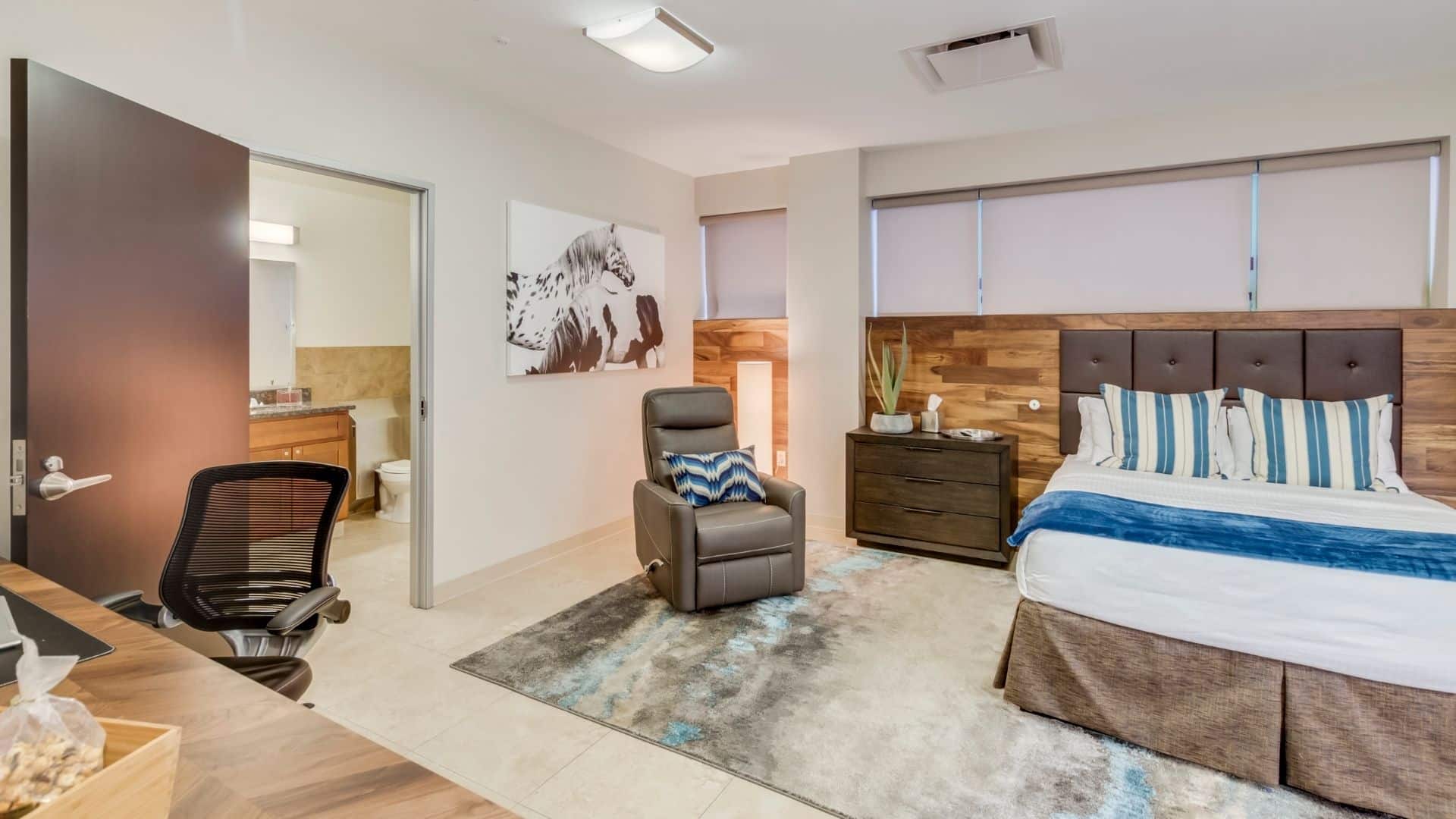
Executive clients get a private room, a personal balcony, and working space. They can use computers and laptops during free times in their schedule to take meetings or handle tasks in private. They can also contact colleagues and family throughout the week, while other clients typically meet only pre-approved visitors on weekends.

Standard clients follow the general packing list, which excludes laptops, tablets, gaming devices, and other internet-connected devices. The Hope House says special accommodations can be made in extenuating circumstances. Executive programs are typically an additional accommodation that insurance does not cover, though admissions can work on pricing with you.

Masters-level clinicians build each treatment plan using behavioral therapy, holistic therapy, trauma-informed care, mental health treatment, and medication-assisted treatment. Keeping your commitments while you focus on long term recovery is possible at The Hope House, and staying connected to loved ones supports recovery for many clients. Admissions specialists answer 24/7 and can arrange same-day placement. Call 480-447-4252 to ask about rehab with electronics allowed.

Your Recovery Can Stay Connected Call The Hope House today.