How Rehab With Massage Therapy Supports Lasting Recovery

Medical Providers:
Dr. Michael Vines, MD
Alex Spritzer, FNP, CARN-AP, PMHNP
Clinical Providers:
Natalie Foster, LPC-S, MS
Last Updated: October 9, 2026

About 70,000 Americans died of a drug overdose in 2025, even after a drop of nearly 14% from the year before, according to provisional CDC data. Getting into care is the first hurdle. Staying with it is the second, and the body often makes that harder than people expect: tight muscles, broken sleep, and nerves that will not settle. That is where rehab with massage therapy earns its place. This guide explains what massage therapy is, what it can offer, and how a residential program can weave it into care.


Our Addiction Treatment Centers

Ready to Heal Body and Mind? Compassionate care starts here.

Rehab With Massage Therapy: A Whole-Person Approach

Detox clears substances from the body, but it does not switch off the aches, restlessness, and stress that often follow. Many people in early recovery describe feeling wound tight, as if their nervous system is running a few volts too high. Rehab with massage therapy speaks to that physical side of healing without replacing counseling or medical care. Think of it as a supporting layer. Talk therapy works on thoughts and behavior, while hands-on bodywork helps the body settle enough for those sessions to land. Inside a well-built addiction treatment plan, the two reinforce each other, and clients often participate more fully when their bodies feel less like an enemy. That is the practical case for rehab with massage therapy: it treats the whole person, not just the diagnosis.

What Is Massage Therapy?

Massage therapy is the hands-on manipulation of muscles and soft tissues, including connective tissues such as fascia, to ease tension and support the body’s natural recovery. Licensed therapists choose from several styles depending on the goal:

  • Swedish massage: long, gliding strokes that promote relaxation
  • Deep tissue massage: slower, firmer pressure aimed at stubborn knots
  • Sports massage: targeted work for overuse and limited mobility
  • Myofascial release: sustained, gentle pressure that loosens restricted fascia

Together, these fall under the umbrella of therapeutic massage, which differs from a spa treat in one key way: it follows a clear purpose. A therapist asks where you hold tension, then shapes each massage session around the answer. That focus is also why rehab with massage therapy differs from booking an occasional spa day.

Tension Standing in Your Way? Find relief in recovery.

Benefits of Massage Therapy in Recovery

The benefits of massage therapy reach well beyond a pleasant hour on the table. Research points to lower pain, anxiety, and stress, though study quality varies and studies in addiction settings remain limited. For that reason, it works best as a complement to evidence based care, never a stand-alone fix.

Benefit Why it matters in recovery
Pain relief Eases old injuries and muscle aches, which may lessen the urge to self-medicate
Better circulation Regular massage can improve circulation and bring oxygen to tired muscles
Calmer mood Quiets the stress response and supports mental health
Deeper sleep Rest feeds energy, patience, and overall quality of life
Immune support Early findings link massage to a stronger immune system, though evidence is still developing

None of these gains replace clinical care. They simply make rehab with massage therapy a more comfortable, sustainable experience, which matters when staying the course is half the battle.

How Massage Therapy Helps in Rehab

In practice, rehab with massage therapy works on four fronts. Start with the body. Substance use often leaves behind muscle tightness, poor posture, and nagging aches. Massage can reduce pain in those areas, which makes sitting through a long group session far more bearable.

Next comes the nervous system. Slow, steady pressure nudges the body out of fight-or-flight, so an anxious client can breathe and think more clearly. Sleep tends to follow.

Then there is trust, for people who have lived through trauma, receiving massages in a safe, consent-based setting can gradually rebuild comfort with healthy touch, as long as the therapist checks in about pressure and boundaries. Finally, there is rhythm. A weekly appointment gives someone in treatment programs something predictable and restorative to look forward to, and in early recovery, predictable matters.

Wondering If This Fits You? Our team can walk you through.

What Is the Role of Massage Therapy in Drug Rehab?

In drug rehab, the role of massage therapy is supportive, not primary. Medication, counseling, and relapse-prevention planning remain the backbone of care. Massage fills the gaps those tools cannot reach: the muscle aches that linger after withdrawal, the restless evenings, the tension that builds after an emotional therapy session. Families often ask whether rehab with massage therapy replaces anything else. It does not; it adds a calming layer to proven care.

As one treatment option among many, it sits comfortably beside other holistic therapies such as yoga and sound baths. A residential setting suits it especially well, because sessions can be scheduled around therapy blocks and the therapist can watch how a client responds over weeks rather than a single visit.

One caution applies. Massage is not right for everyone. Conditions such as blood clots or open wounds call for medical clearance first, which is why a clinical team should approve any plan before the first appointment.

Massage Therapy Rehab at The Hope House

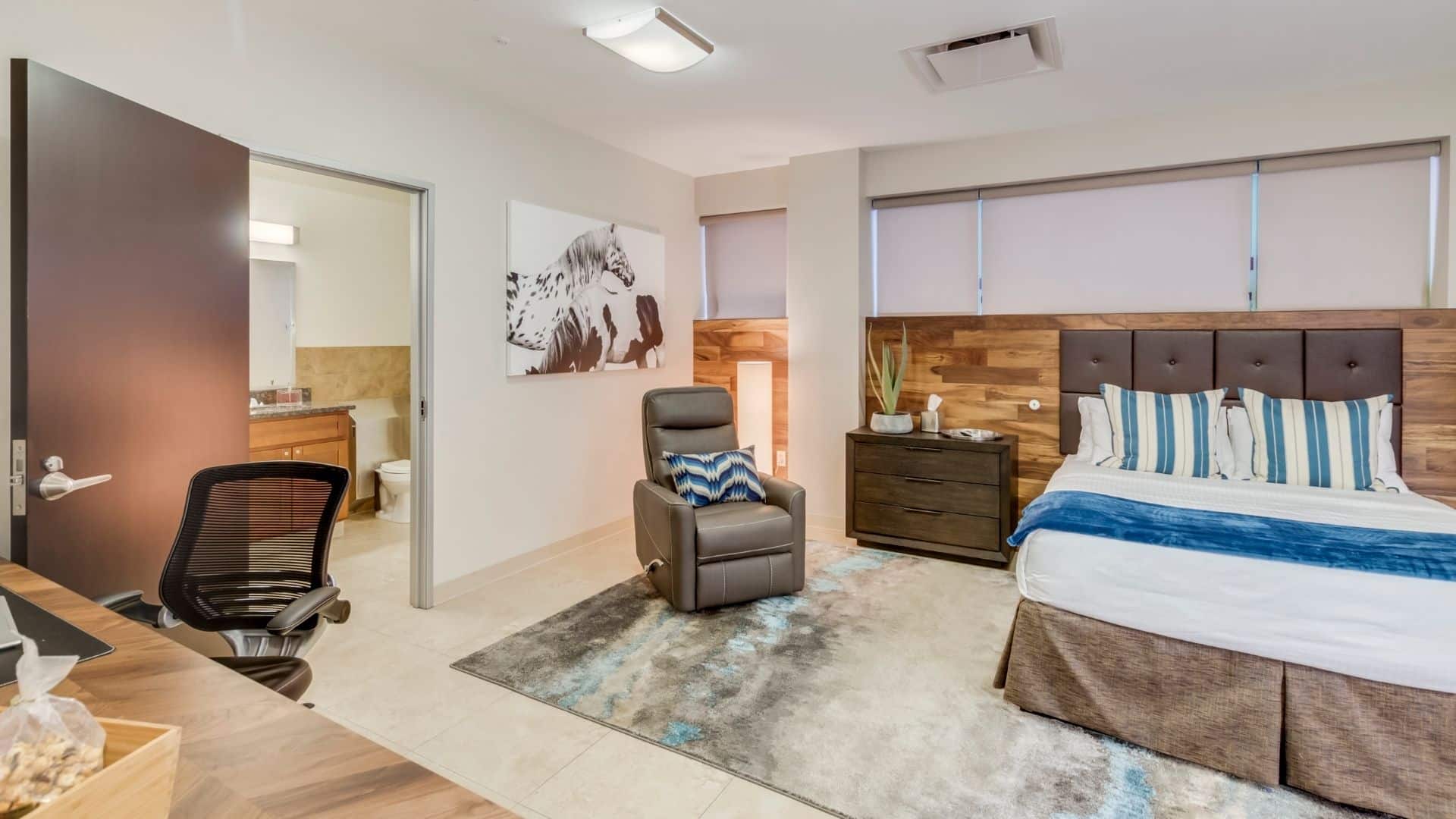
At The Hope House in Scottsdale, Arizona, massage therapy rehab is part of a larger residential experience built around personalized care. The center accepts only 10 clients at a time, which keeps attention on each person’s needs. Masters-level clinicians design individual plans that can pair counseling and medical support with physical wellness options, including massage therapy, yoga therapy, and an on-site gym.

Clients stay in secluded, private mansions, so the calm of the surroundings echoes the calm of a session. A residential stay also lets you try rehab with massage therapy alongside the rest of your clinical schedule instead of fitting appointments around work and family. Addiction specialists are available around the clock and can help arrange same-day placement.

If you want a program that treats the body as seriously as the mind, rehab with massage therapy at The Hope House may be a strong fit. Call to ask how a plan could be built around your history, your goals, and your pace.

Take the First Step Today. Begin healing with support.