Substance Abuse Treatment Arizona: A Complete Guide

Medical Providers:
Dr. Michael Vines, MD
Alex Spritzer, FNP, CARN-AP, PMHNP
Clinical Providers:
Natalie Foster, LPC-S, MS

Last Updated: November 23, 2026

According to Axios Phoenix in July 2026, 85% of overdose deaths in Maricopa County in 2025 involved more than one drug. So, substance abuse treatment Arizona families look for has to cover more than one substance and more than one problem. Substance abuse treatment is the set of medical and therapeutic services that help a person stop using drugs or alcohol and stay well. Below, we walk through detox, medication-assisted treatment, inpatient and outpatient programs, dual diagnosis care, and what it all costs, using local details from The Hope House in Scottsdale. If you or your family members are struggling with addiction, this guide to substance abuse treatment Arizona offers should make the next step clearer.


Person cycling down a tree-lined path with sunrays through morning mist, substance abuse treatment arizona

Our Addiction Treatment Centers

Start Healing Today Talk To A Specialist

What Happens During Drug and Alcohol Detox in Arizona?

Drug and alcohol detox in Arizona is a medically supervised stay where clinicians manage withdrawal while the substances leave your body. Most substance abuse treatment Arizona programs start here. The Hope House says detox at its Scottsdale Detox location often lasts up to 7 days, and nearly everyone moves on to inpatient or outpatient rehab afterward.

Medical detox means nurses on site around the clock, plus board-certified medical staff. When someone arrives at Scottsdale Detox, the first step is a physical and mental evaluation, and that evaluation shapes an individualized care plan. Oral medication takes the edge off withdrawal. That matters a lot with alcohol and opioids, where withdrawal can be dangerous. Each day includes a visit with a clinician and group sessions about addiction and the treatment options that come next. Detox is only the start of the substance abuse treatment Arizona residents need.

How Does Medication-Assisted Treatment in Arizona Work?

Medication-assisted treatment in Arizona combines FDA-approved medication with counseling and behavioral therapy to ease cravings and withdrawal. Medication-assisted treatment (MAT) is a common part of the substance abuse treatment Arizona clinics offer for opioid and alcohol use disorders. The medication is one piece of the plan, never the whole thing.

Agonists, like buprenorphine, lightly activate opioid receptors so cravings ease. Antagonists, like naltrexone, block those receptors, so opioids or alcohol stop having their usual effect. The Hope House’s MAT guide names Suboxone, naltrexone, acamprosate, and disulfiram as options. A licensed medical professional prescribes the medication, and therapy, both one-on-one and in groups, runs alongside it. If you’re comparing substance abuse treatment Arizona providers, ask which medications they prescribe and how they monitor you.

Your Next Step Starts Here Speak With Our Team

How Long Does Inpatient Drug Rehab in Arizona Last?

Inpatient drug rehab in Arizona commonly runs 30, 60, or 90 days, depending on the substance, your health, and how treatment is going. Inpatient rehab means you live at a treatment facility with care available around the clock. It’s the most structured substance abuse treatment Arizona offers, and it tends to fit when addiction is severe, or home isn’t a safe place to recover.

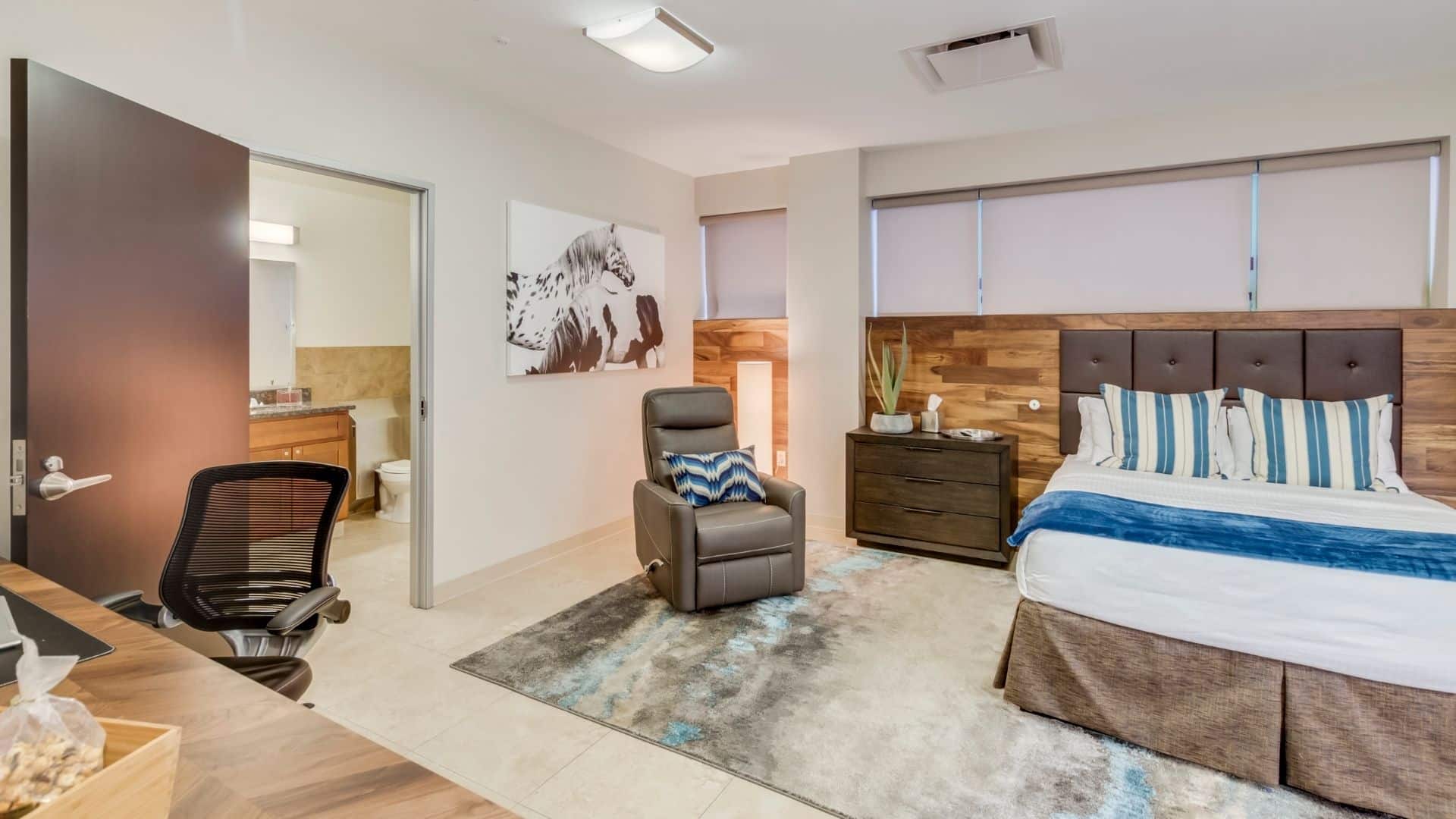
Residential programs take away daily triggers and add routine. The Hope House’s Scottsdale rehab center is a 10,000-square-foot mansion at 28901 N 114th St, staffed by master’s-level clinicians and licensed psychologists. Clients have individual and group therapy, including cognitive behavioral therapy, dialectical behavior therapy, EMDR, and family therapy. An open-door policy keeps clinicians reachable between sessions. On any tour of a treatment center, ask how the staff explain their levels of care, who leads therapy, and how family involvement works. The best substance abuse treatment Arizona programs also plan your step after discharge before you leave.

What Does Outpatient Substance Abuse Treatment in Arizona Include?

Outpatient substance abuse treatment in Arizona covers scheduled therapy, medication support, and relapse prevention planning while you keep living at home. Outpatient care means treatment without an overnight stay. This kind of substance abuse treatment Arizona residents pick often suits people with a stable home, manageable symptoms, or a residential stay behind them.

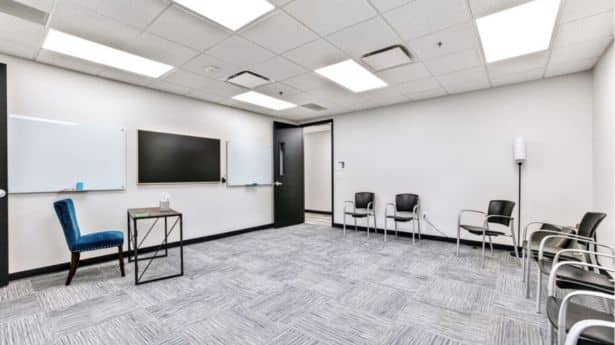
The Hope House runs its outpatient rehab in Scottsdale as Arizona IOP, at 7287 E Earll Dr. It offers flexible partial hospitalization (PHP) and intensive outpatient (IOP) therapy, and both begin with a detailed assessment of substance use, behavioral health, medical history, trauma, and goals. Sessions use cognitive behavioral therapy and dialectical behavior therapy, one-on-one and in groups, and men and women can join gender-specific groups. The program treats alcohol, cocaine, heroin, methamphetamine, and benzodiazepine use, along with trauma and other mental health conditions. With substance abuse treatment Arizona programs like this one, work, school, and family life can keep going.

Tall saguaro cacti on a desert hillside under a deep blue sky, substance abuse treatment arizona

Recovery Is Within Reach Get Confidential Support Now

What Is Dual Diagnosis Treatment in Arizona?

Dual diagnosis treatment in Arizona treats a substance use disorder and a mental health condition together, at the same time. A dual diagnosis means a person has both, like depression or bipolar disorder alongside drinking or drug use. Treat only one, and the other often drags recovery down.

The Hope House’s Dual Diagnosis Program screens every client for mental health conditions when they’re admitted, then builds a single plan that covers substance abuse and mental health together. That’s what good substance abuse treatment Arizona programs do at intake. Evidence-based therapies include CBT, DBT, EMDR, somatic experiencing, and biofeedback, and MAT and family therapy come in when they fit. Before clients leave, they get an aftercare plan that can include outpatient care, sober living, and support groups. Treating addiction well means treating the whole person, which is why dual diagnosis care sits at the center of the substance abuse treatment Arizona families should expect.

How Much Does Arizona Rehab Cost?

Arizona rehab cost depends on the level of care, how long you stay, and your insurance, so there’s no one price. The price of substance abuse treatment Arizona programs charge shifts with each of those. For a sense of scale, The Hope House’s MAT guide, which cites the National Institute on Drug Abuse, puts methadone at about $100 to $130 a week and naltrexone at over $1,000 a month.

Insurance helps here. The Hope House works with Aetna, Cigna, GEHA, Beacon Health Options, and Blue Cross Blue Shield, and also lists Tricare, Humana, HealthNet, UMR, and COBRA plans. If you don’t have coverage, there’s private pay, with cash, checks, and major cards accepted, and an interest-free payment schedule can be set up. Get a coverage check before you commit, because Arizona rehab costs look very different once insurance is counted.

The Hope House is a personalized drug and alcohol rehab in Scottsdale, Arizona, offering substance abuse treatment Arizona residents can find in one place. It’s Joint Commission accredited, runs detox, residential, and outpatient programs, and treats mental health conditions alongside addiction. Call 480-447-4252 to talk through your situation and see which levels of care fit.

Frequently Asked Questions

Yes. The Hope House notes that mutual-support groups should leave medication decisions to you and your doctor. Medication is one part of a care plan, so bring any group concerns to your clinician. If the first meeting feels unwelcoming, try another one.

In some cases, yes. The Hope House’s Executive Treatment Program gives clients private rooms, access to electronics, and modified treatment schedules so they can keep up professional obligations during drug or alcohol rehab. Ask the admissions team how a schedule would fit your job before you commit.

The team meets the person where they are. Many addiction therapies, including motivational interviewing, cognitive behavioral therapy, and family therapy, also reach mental health problems. So clinicians can work with the whole person, even if a client doesn’t believe a mental illness exists.

No. The Hope House says it cannot treat clients who want to end their lives and have a plan to do so, known as active suicidal ideation. If you or someone you know is in crisis, call or text 988 or call 911 right away.

The Hope House’s residential center in Scottsdale accepts only 10 clients at a time. Small numbers keep groups intimate and give each person more individual attention from clinicians than a large facility usually can. This keeps the setting calm and personal.

Yes. Alongside clinical care, The Hope House lists yoga therapy, massage therapy, sound bath therapy, chiropractic care, an on-site gym, and a culinary program. These services support physical recovery and overall wellbeing next to evidence based therapy rather than replacing it.

Take The First Step Today Reach Out To Us Now