
Inpatient Rehab Scottsdale: What Recovery Looks Like Here

Medical Providers:
Dr. Michael Vines, MD
Alex Spritzer, FNP, CARN-AP, PMHNP
Clinical Providers:
Natalie Foster, LPC-S, MS
Last Updated: August 26, 2026

Eighty percent of people who needed treatment for a substance use disorder in 2024 didn’t get it.

That statistic is hard to sit with, especially if you or someone you love is one of the millions still waiting. Getting help doesn’t have to mean waiting any longer. Inpatient rehab Scottsdale programs exist precisely to close that gap, offering structured, round-the-clock support the moment someone is ready to take the first step.


Our Addiction Treatment Centers

You don't have to wait for rock bottom. Help is available right now.

What Is Inpatient Rehab in Scottsdale, AZ?

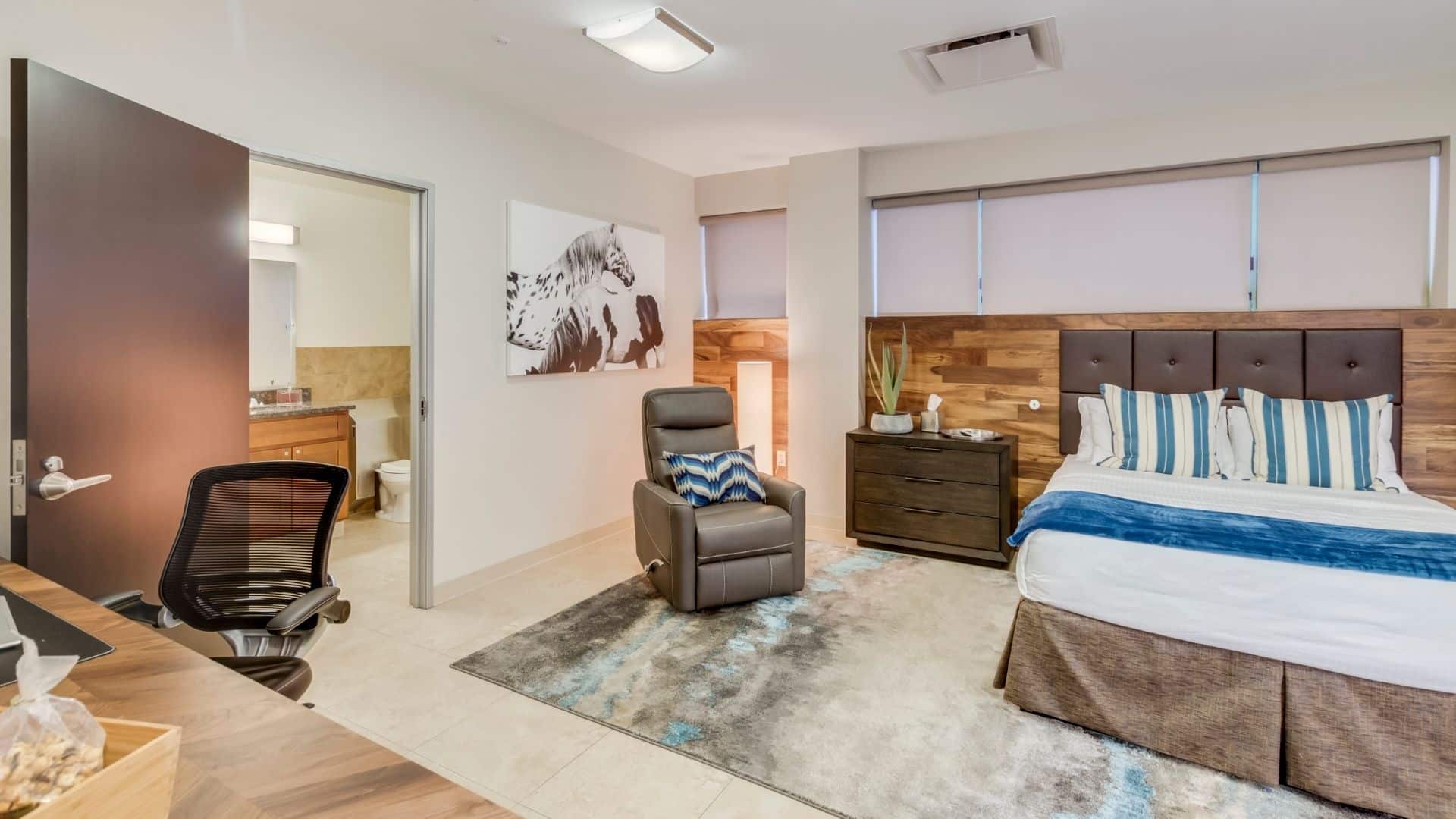
Inpatient rehab Scottsdale programs, also called a residential treatment center Scottsdale facility, provide 24-hour care in a live-in setting. Patients stay on-site for the full length of treatment, away from the triggers and routines that fed their addiction.

Scottsdale’s desert setting has made it a go-to destination for residential treatment, and it’s easy to see why once you’re there. The pace slows down. Nobody’s rushing to a job or fielding calls from a partner who’s still angry about last week. That distance from ordinary life is often the point, not a perk. Scottsdale inpatient rehab gets marketed as a retreat sometimes, but underneath the landscaping it’s still structured clinical care, run by people trained to handle withdrawal and everything after it.

Signs You May Need Inpatient Drug Rehab Near Me in Scottsdale, AZ

How do you know when outpatient support isn’t enough? A few patterns tend to show up again and again among people searching for inpatient drug rehab near me Scottsdale, AZ.

Maybe you’ve tried quitting on your own more than once, and it never sticks past a few weeks. Maybe the last withdrawal got scary enough that you needed a hospital, or should have. Sometimes it’s simpler: the house itself is the problem, old triggers everywhere, a roommate who still uses. Years of substance abuse can also wear the body down until a health scare forces the issue. If someone keeps struggling with addiction even after losing a job, a relationship, or facing legal trouble, that’s usually the clearest signal that outpatient support alone won’t cut it.

Family members often catch on before the person using does: a shift in mood, new secrecy around money or time, appointments that quietly stop happening. It’s worth trusting that instinct rather than waiting for undeniable proof.

Not sure which level of care fits? We'll help you figure it out.

Levels of Care Offered at Scottsdale Treatment Centers

Not everyone needs to start in a residential bed, and almost nobody should leave one and go straight back to normal life. Most treatment centers in the area build in a wide range of levels of care so patients can step down gradually instead of losing all their support at once.

For anyone with physical dependence, medical detox usually comes first. After that, it’s common to move into residential programs, then partial hospitalization, then outpatient programs as things stabilize. A number of centers in Scottsdale also run sober living homes, giving people somewhere to land between residential treatment and living fully on their own again.

Skip that step-down process and the odds of relapse climb fast. Going from round-the-clock structure to zero support overnight rarely works out well.

Inpatient Alcohol Rehab vs. Inpatient Drug Rehab in Scottsdale

People assume alcohol rehab and drug rehab run on the same track. They mostly don’t.

Inpatient alcohol rehab Scottsdale programs lean hard on medical detox early on, and for good reason. Alcohol withdrawal can turn dangerous fast, so those first several days get watched closely. Drug rehab looks different depending on what someone’s coming off of. Opioid withdrawal is its own process, nothing like tapering off a stimulant.

Underneath those differences, the goal stays the same everywhere: treating substance use disorders as a medical condition worth treating, not a character flaw. Good programs also check for co-occurring mental health conditions, since addiction and mental illness have a way of feeding each other.

Alcohol or drugs, the path forward exists. Let's find yours together.

What Happens During Treatment Programs and Behavioral Therapies

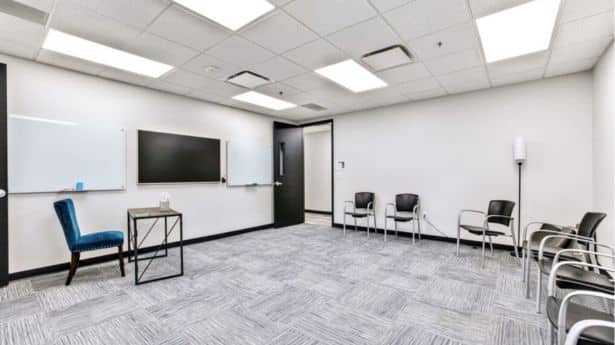
A typical day inside residential care runs on structure, and that’s by design. There’s usually a morning group check-in, then a block of individual counseling, meals at set times, and an afternoon built around specific behavioral therapies.

Cognitive behavioral therapy tends to be the backbone of most treatment programs, and it’s really about catching the thought that shows up right before a relapse and learning to argue with it. Dialectical behavior therapy goes further for people whose emotions run hot, teaching ways to ride out a bad moment without reaching for a drink or a pill. Family sessions aren’t always comfortable, but they tend to matter more than people expect. Because untreated anxiety, depression, or old trauma often sits underneath the addiction itself, most programs also screen for mental health issues early.

This isn’t something that clicks into place after one good session. It takes weeks of repeating the same skill until it actually holds under pressure.

Does Health Insurance Cover Residential Treatment in Scottsdale?

Cost is usually the thing that stops people before they even pick up the phone. Here’s the part worth knowing: health insurance often covers some, or all, of residential treatment, and the coverage is usually better than people assume going in.

Federal law requires most major insurers to cover substance use treatment at parity with other medical care, though not every plan behaves the same way. One plan might cover a full 30-day stay without blinking, while another caps the days or wants prior authorization first. It’s worth calling ahead and getting a real answer instead of guessing. Most reputable treatment centers will run that verification for you at no cost.

Why Scottsdale Families Choose The Hope House

The Hope House started from a fairly simple idea: people heal faster when they feel like a person, not a file moving through a system. Our residential treatment center Scottsdale campus pairs evidence-based behavioral therapies with the kind of attention that gets harder to find at bigger, more crowded facilities.

Nobody here gets handed a generic schedule. Our clinical team stays involved from medical detox through outpatient treatment and aftercare planning, adjusting as things change, because they usually do. If you’ve been searching for inpatient rehab Scottsdale care that feels like it was built around you, give us a call.

Your recovery can start today. The Hope House is ready when you are.