
Inside a Holistic Addiction Treatment Center

Medical Providers:
Dr. Michael Vines, MD
Alex Spritzer, FNP, CARN-AP, PMHNP
Clinical Providers:
Natalie Foster, LPC-S, MS
Last Updated: August 14, 2026

Addiction rarely shows up alone. It drags along anxiety, broken sleep, strained relationships, and a body that’s forgotten how to feel normal without a substance. A holistic addiction treatment center exists because treating only the addiction, while ignoring everything tangled up with it, rarely leads anywhere good.


Our Addiction Treatment Centers

Recovery starts with one phone call. Your future is worth it.

What Is a Holistic Addiction Treatment Center?

A holistic addiction treatment center looks at recovery differently than a standard detox program. Instead of narrowing in on substance use disorder alone, it treats the whole person, physical health, mental health, relationships, and even spiritual well-being.

Think of it this way: two people can walk into rehab with the same addiction and leave with completely different needs met. One might be wrestling with trauma. Another might have chronic pain that started the cycle in the first place. A holistic treatment center for addiction builds a plan around the individual, not a one-size-fits-all checklist.

This doesn’t mean holistic centers skip clinical care. Far from it. Medical detox, therapy, and psychiatric support still form the backbone of treatment. What changes is the layer added on top, nutrition counseling, movement, mindfulness, and community support, all working together to treat the whole person.

Most treatment centers now blend both worlds because the evidence backs it up. Addiction rewires the brain and depletes the body. Healing one without the other tends to leave gaps that lead straight back to relapse.

How Does a Holistic Approach to Addiction Treatment Work?

A holistic approach to addiction treatment starts with an honest look at the person, not just their drug of choice. Clinicians assess sleep patterns, diet, stress levels, past trauma, and existing health conditions before building a treatment plan.

From there, care unfolds on multiple tracks at once. Someone might spend mornings in group therapy, afternoons doing yoga or acupuncture, and evenings journaling or meeting with a nutritionist. None of these pieces work in isolation. Poor sleep worsens anxiety. Anxiety fuels cravings. Cravings disrupt sleep again. Breaking that loop requires more than a single intervention.

Staff at a holistic addiction treatment center often describe their goal as calming the nervous system, not just eliminating the substance. That’s a subtle but important shift. A body stuck in constant fight-or-flight mode will keep reaching for relief, whatever form that relief takes.

This is also where the phrase mind, body, and spirit actually earns its place, rather than sounding like a wellness slogan. Physical symptoms, emotional patterns, and a person’s sense of purpose all feed into each other during recovery.

You don't have to do this alone. Support is one step away.

What Therapies Are Used in Holistic Addiction Rehab?

Holistic addiction rehab pairs proven clinical methods with complementary practices designed to reduce stress and rebuild self-awareness. Cognitive behavioral therapy usually sits at the center, helping people identify the thought patterns that drive cravings and self-destructive habits.

Alongside CBT, many programs bring in:

  • Mindfulness meditation and breathwork
  • Yoga or other gentle movement practices
  • Nutritional counseling to repair a body worn down by drugs and alcohol
  • Acupuncture or massage therapy for physical tension
  • Art or music therapy for emotional expression
  • Group therapy sessions that rebuild trust and communication

None of these replace evidence-based treatment. They work alongside it. A person managing withdrawal symptoms, for example, still needs medical oversight. But breathing exercises or a walk outside can ease the anxiety that often accompanies those symptoms, something medication alone doesn’t always touch.

Holistic therapy isn’t about abandoning science for candles and incense, despite what skeptics assume. It’s about giving people more tools, so recovery doesn’t hinge on a single method working perfectly every time.

Why Choose a Holistic Treatment Program Over Traditional Rehab?

Traditional rehab isn’t wrong, exactly. It’s just often incomplete. A holistic treatment program widens the lens, addressing the habits, environment, and emotional patterns that keep someone stuck long after detox ends.

Consider someone who’s been sober for thirty days but still eats poorly, sleeps four hours a night, and has no outlet for stress. Their body is still running on empty. Physical health and mental resilience aren’t separate from sobriety. They’re part of the foundation that keeps it standing.

Centers offer this broader approach because relapse rarely happens out of nowhere. It builds up through small cracks, unmanaged stress, isolation, boredom, and physical discomfort. A holistic addiction treatment model tries to patch those cracks before they widen.

There’s also something to be said for how it feels to be treated as a whole person rather than a diagnosis. People tend to open up more, stay longer, and follow through with aftercare when they feel genuinely seen. That alone can shift outcomes in ways a purely clinical model sometimes misses.

Real healing looks at everything. Let's build your plan today.

What Happens After Holistic Substance Abuse Treatment Ends?

Recovery doesn’t stop at discharge. Holistic substance abuse treatment puts real weight on aftercare, because the habits built during treatment need somewhere to live once daily structure disappears.

Most programs send people home with a plan that includes ongoing therapy, support groups, and practical tools for managing stress without turning back to old habits. Some stay connected through alumni groups or check-in calls. Others transition into outpatient care that keeps the same holistic approach going at a lighter pace.

What separates lasting recovery from a short-term fix usually comes down to follow-through. Someone who learned to manage anxiety through breathwork in treatment needs to keep using it at home, at work, during an argument with a partner. The skills only matter if they travel.

Why Choose The Hope House?

The Hope House was built around exactly this kind of whole-person care. Every treatment plan blends evidence-based clinical work, cognitive behavioral therapy, and medical oversight with the physical, emotional, and spiritual support that actually makes sobriety stick. It’s holistic addiction treatment the way it’s meant to work: thorough, personal, and grounded in real results.

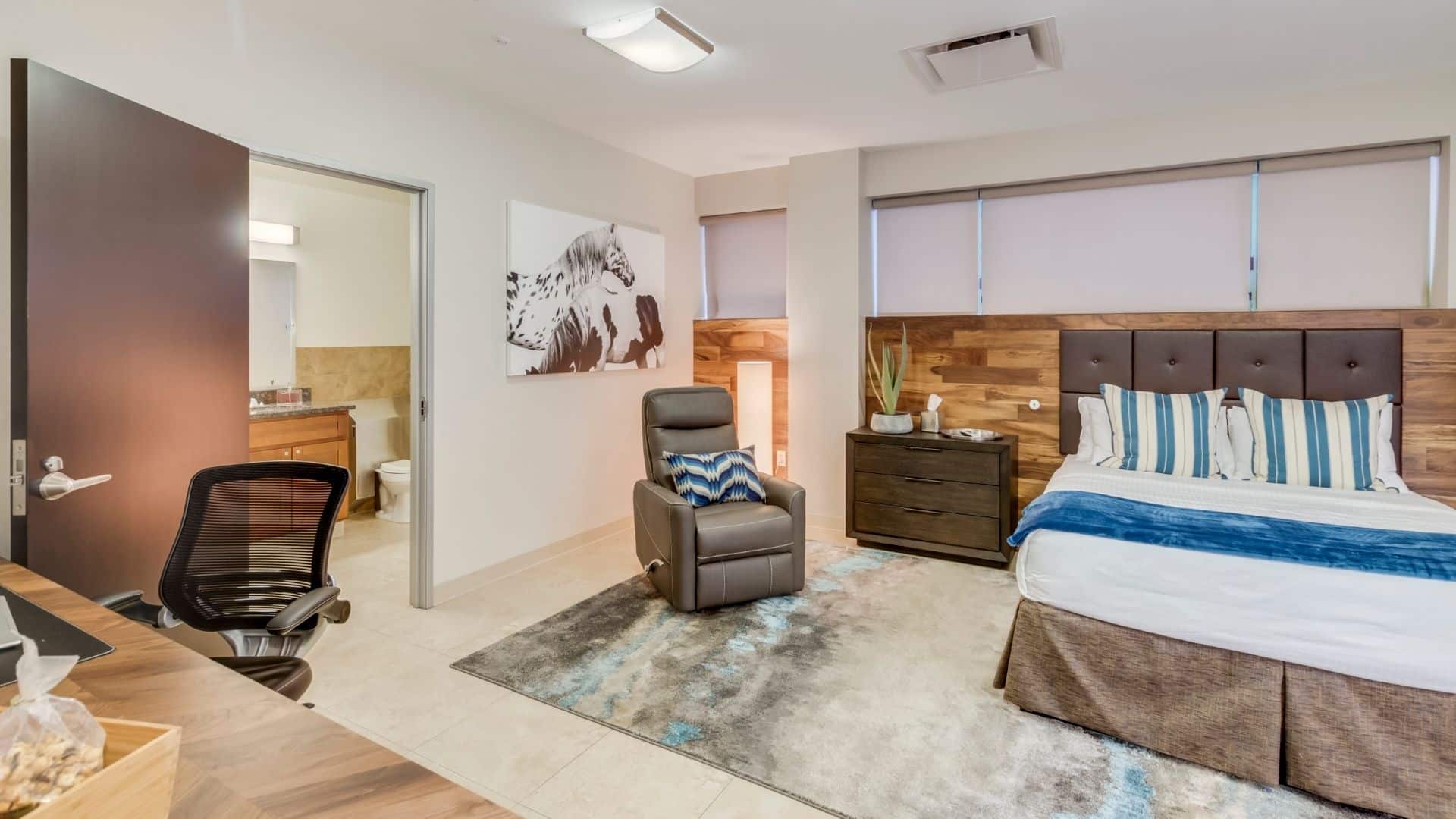
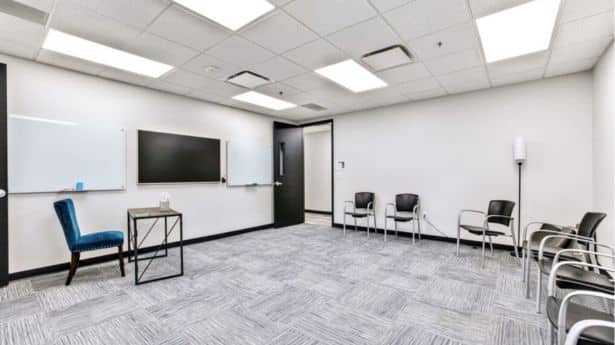
What sets The Hope House apart is the people behind it. Clinicians who take the time to understand your history. A community that shows up for you in group therapy and beyond. A setting that feels less like a facility and more like a place built for people to actually get better.

If you’re ready for a holistic addiction treatment center that treats you like a whole person instead of a case number, The Hope House is ready when you are.

Your recovery deserves this care. Reach out right now.