Residential Alcohol Treatment A Practical Scottsdale Guide

Medical Providers:
Dr. Michael Vines, MD
Alex Spritzer, FNP, CARN-AP, PMHNP
Clinical Providers:
Natalie Foster, LPC-S, MS
Last Updated: October 27, 2026

Alcohol played a part in 93,118 U.S. deaths in 2024, counting both underlying and contributing causes, according to a February 2026 KFF analysis of CDC data. For many families, that number lands close to home. If drinking has outgrown weekly appointments and good intentions, residential alcohol treatment is the next step worth understanding. Here is how it works, who it fits, and how it stacks up against outpatient care, with a Scottsdale, Arizona lens.


Our Addiction Treatment Centers

Ready to Talk About Residential Care? Our admissions team is here.

What Is Residential Rehabilitation, and How Does It Work?

Residential rehabilitation is addiction care where you live at the treatment center while you recover. Think of residential alcohol treatment as a pause button. Meals, therapy, sleep, and medical care all happen in one place, away from the bar stool and the friends who still pour. Most stays begin with detox if your body needs it, then shift to counseling and relapse prevention.

That distance is the point. In a supportive environment where nobody is drinking, early recovery journeys feel less like white-knuckling and more like learning. Programs differ, though, so ask how many clients share the house. Fewer people usually means more time with your clinicians. Residential alcohol treatment also gives you room to plan. Before you leave, a case manager can map out aftercare, such as sober living, group meetings, a sponsor, and an ongoing medication-assisted treatment provider.

Inpatient vs Outpatient Rehab: Which Is Right for You?

Residential alcohol treatment, the inpatient option, means you sleep at the facility with staff around the clock. Outpatient care means you live at home and show up for scheduled sessions. Neither wins across the board. The right fit depends on how severe the drinking is and what is waiting for you at home.

Inpatient Outpatient
Where you live At the treatment facility At home
Supervision 24 hours a day During sessions only
Time Full time Intensive programs: 2 to 4 hours a day, 3 days a week
Best for Severe AUD, unstable home Milder AUD, step-down care

Plenty of people use both. A common path is residential alcohol treatment first, then outpatient care and support groups to protect long term recovery.

Not Sure Which Level Fits? Get a free, confidential assessment.

Who Needs Residential Rehab for Alcohol Use Disorder?

Residential rehab for alcohol use disorder fits people with years of heavy drinking, relapses after lighter care, a chaotic home, or a mental health condition that feeds the drinking. Alcohol use disorder (AUD) is a medical condition where you cannot reliably control drinking even as it damages your health, work, or relationships.

Safety matters too. Anyone who drinks heavily every day, or who has had seizures while quitting before, should not detox alone. Milder cases may need less than residential alcohol treatment, and a clinical assessment will show where you land, whether the problem is drug or alcohol use. Anxiety, depression, and trauma often travel with drinking, so good centers screen for them on day one and treat both together. That is called dual diagnosis care. The goal of residential alcohol treatment is not punishment. It is safety, structure, and time.

Inpatient Rehab for Alcoholism: What Your Days Look Like

Inpatient rehab for alcoholism, a form of residential alcohol treatment, follows a rhythm. A typical stay includes medically supervised detox when withdrawal is a risk, then a steady mix of:

Any good rehab program keeps medical assistance close in case other medical conditions flare up. Programs offer different mixes of these pieces, so compare them side by side. Ask about length too. About 30 days is common, and longer stays of 60 or 90 days are often paid out of pocket. Your care team should set the length after your intake assessment and adjust it as you progress.

Wondering What Happens Next? Ask about same-day placement.

Inpatient Rehab for Alcoholics at The Hope House

The Hope House runs personalized drug and alcohol rehab from a 10,000-square-foot mansion in Scottsdale, Arizona. Inpatient rehab for alcoholics here starts with intake assessments by clinical and medical staff, followed by a plan built by masters-level clinicians. Every client gets a dedicated case manager, who also lines up aftercare, from sober living to ongoing medication-assisted treatment.

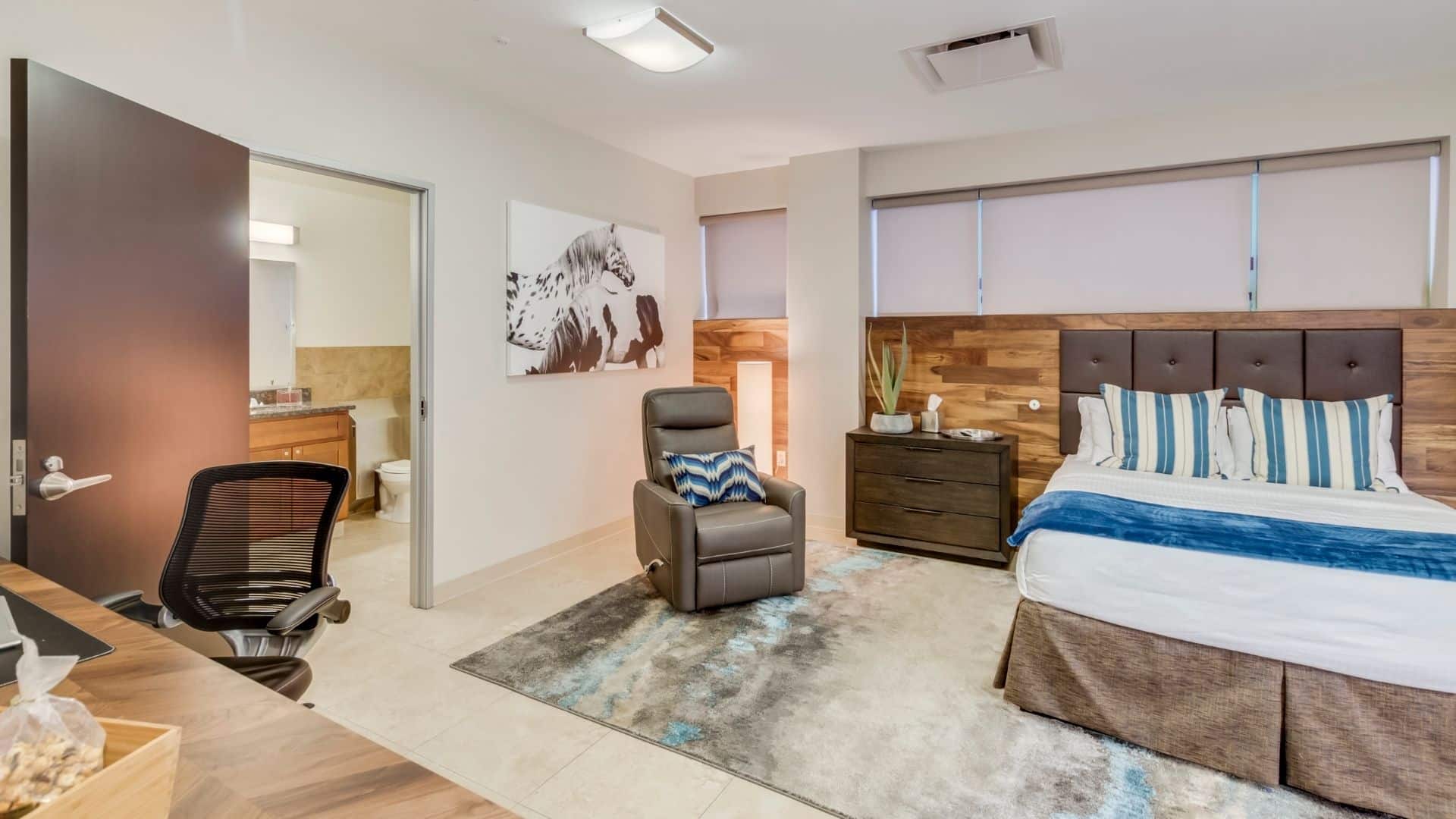
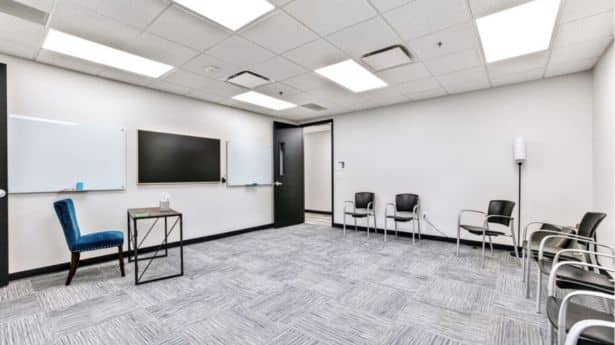
Days include group therapy, exercise, and equine therapy, plus weekly medical assessments and an open-door policy with clinicians between sessions. Professionals who cannot vanish from work can ask about the Executive Treatment Program, with private rooms and modified schedules. Insurance coverage varies by plan, but Aetna, Cigna, United Healthcare, GEHA, and Blue Cross Blue Shield are among the insurers The Hope House works with. That setting keeps residential alcohol treatment focused on recovery.

Start Recovery in Scottsdale Today Verify your insurance benefits.