Frequently Asked Questions
What are physical and psychological signs of alcohol addiction?
The physical and psychological signs of alcohol addiction include noticeable physical changes like weight loss, poor hygiene, and a strong odor of alcohol, alongside psychological symptoms such as mood swings, anxiety, and impaired judgment.
What are physical signs of alcoholism?
The physical signs of alcoholism include a frequent smell of alcohol on the breath, bloodshot eyes, dry skin, brittle nails, poor hygiene, weight loss, and yellowing of the skin or eyes, which indicates potential liver damage.
How does alcoholism affect your physical appearance?
Alcoholism significantly affects physical appearance by causing dehydration, leading to dry skin, hair loss, and brittle nails. Additionally, it can result in weight loss, yellowing of the skin and eyes, and noticeable facial changes like broken capillaries.
Are frequent vomiting spells a sign of alcoholism?
Frequent vomiting spells can indicate alcoholism. This symptom often arises from the body’s reaction to excessive alcohol consumption, suggesting potential alcohol abuse or dependence. It is crucial to seek medical advice if this occurs.
What are physical signs of alcohol abuse?
The physical signs of alcohol abuse include a frequent smell of alcohol on the breath, bloodshot eyes, tremors, dry skin, weight loss, and poor hygiene. Additionally, signs like yellowing of the skin or eyes may indicate liver damage.
Are alcoholic blackouts a sign of brain damage?
Alcoholic blackouts can indicate significant disruptions in brain function, and repeated occurrences may lead to lasting cognitive impairment, potentially signifying brain damage. It is crucial to seek help to mitigate these risks.
Are body aches and pains a symptom of alcohol withdrawal?
Body aches and pains are common symptoms of alcohol withdrawal. As the body adjusts to the absence of alcohol, many individuals may experience physical discomfort, including muscle and joint pain.
Are frequent crying spells a sign of alcoholism?
Frequent crying spells can be a sign of alcoholism. Emotional instability and mood swings often accompany alcohol abuse, as it affects brain chemistry and emotional regulation. If you or someone you know is experiencing this, it may be worth seeking help.
Are delirium tremors early alcohol withdrawal symptoms?
Delirium tremens are severe symptoms that can occur during alcohol withdrawal, typically emerging 48 to 96 hours after the last drink. They are not classified as early symptoms but indicate a serious condition requiring immediate medical attention.
Are headaches a symptom of alcohol withdrawal?
Headaches are indeed a common symptom of alcohol withdrawal. As the body adjusts to the absence of alcohol, individuals may experience various physical symptoms, including headaches, which can range from mild to severe.
What are physical symptoms of alcoholism?
The physical symptoms of alcoholism include a frequent smell of alcohol on the breath, bloodshot eyes, dry skin, weight loss, tremors, and yellowing of the skin or eyes, often indicating liver damage.
What are 5 signs of alcoholism?
The signs of alcoholism include frequent smell of alcohol on the breath, bloodshot eyes, poor hygiene, loss of appetite, and tremors or loss of balance. Recognizing these symptoms is crucial for seeking help.
How long does it take to develop physical signs of alcoholism?
The time it takes to develop physical signs of alcoholism varies widely among individuals, but noticeable symptoms can often appear within a few weeks to several months of heavy drinking. Factors such as frequency and quantity of consumption play significant roles.
Are blackouts a sign of alcoholism?
Blackouts are a potential sign of alcoholism. They occur when alcohol consumption impairs memory formation, indicating a level of drinking that can lead to dependence and severe health issues.
What are common withdrawal symptoms of alcoholism?
Common withdrawal symptoms of alcoholism include anxiety, tremors, sweating, nausea, vomiting, and in severe cases, seizures or delirium tremens. These symptoms can vary in intensity depending on the severity of the alcohol dependence.
How can I recognize alcohol addiction signs?
Recognizing alcohol addiction signs involves being aware of changes in behavior, such as increased secrecy, neglecting responsibilities, and experiencing withdrawal symptoms. Physical signs may include bloodshot eyes, poor hygiene, and a persistent smell of alcohol.
Are mood swings a sign of alcoholism?
Mood swings can be a sign of alcoholism. Alcohol abuse often leads to significant changes in mood and behavior, indicating potential underlying alcohol use disorder. Recognizing these symptoms can be crucial for seeking appropriate help.
What behaviors indicate physical dependence on alcohol?
Behaviors that indicate physical dependence on alcohol include a strong craving for alcohol, tolerance leading to increased consumption, withdrawal symptoms when not drinking, and an inability to cut down despite wanting to.
How does alcohol affect emotional stability?
Alcohol affects emotional stability by disrupting brain chemistry, leading to mood swings, increased anxiety, and depression. This fluctuation can intensify emotional distress, impair coping mechanisms, and contribute to unstable interpersonal relationships.
What are signs of long-term alcohol use?
The signs of long-term alcohol use include persistent cravings, tolerance increase, withdrawal symptoms, changes in appearance, and health issues like liver damage or heart problems, as well as social and emotional challenges.
Are there noticeable changes in appearance due to alcoholism?
Noticeable changes in appearance due to alcoholism include bloodshot eyes, dry skin, hair loss, weight loss, and poor hygiene. Additionally, individuals may develop broken capillaries on the face and yellowing of the skin or eyes as signs of liver damage.
What body systems are affected by alcoholism?
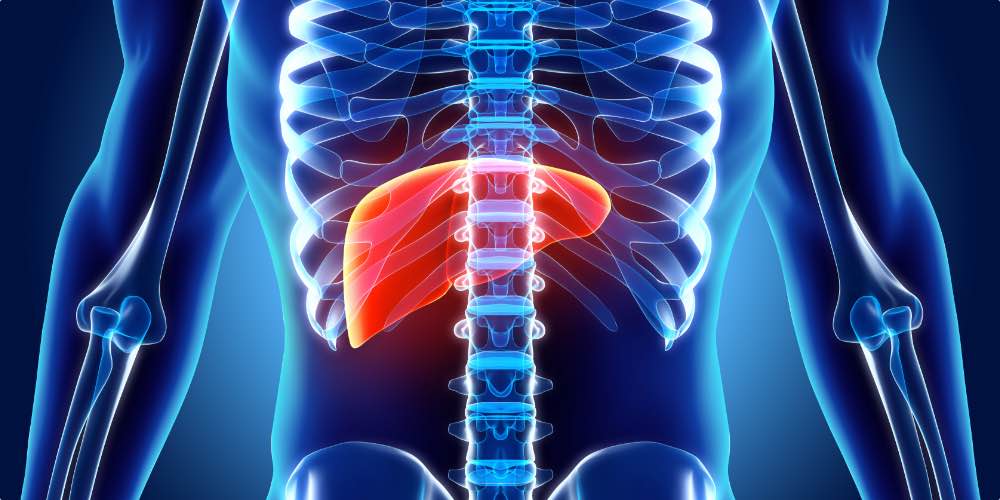
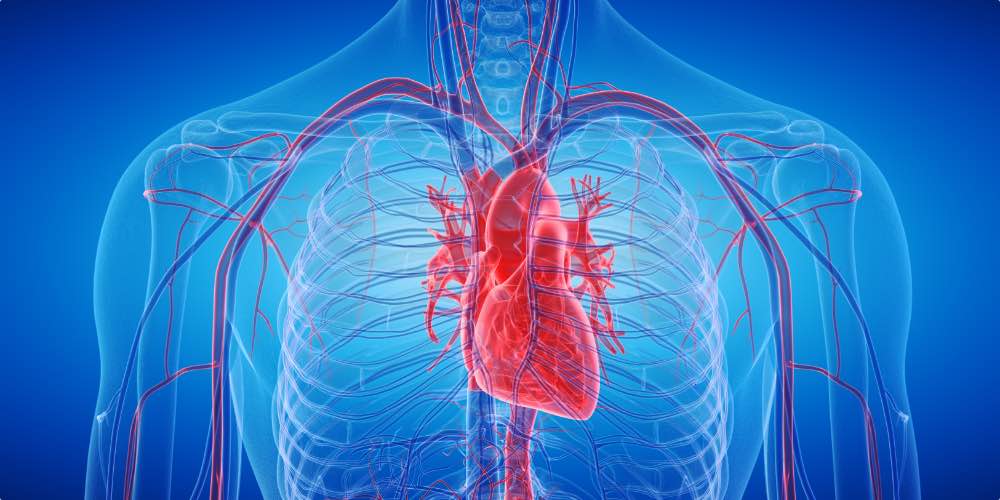
Alcoholism affects multiple body systems, including the nervous, cardiovascular, liver, and digestive systems, leading to significant health issues such as liver disease, heart problems, and neurological impairments.
Is tremor a sign of alcohol withdrawal?
Tremors can be a sign of alcohol withdrawal. They often occur as the body reacts to the absence of alcohol after prolonged use, indicating potential withdrawal symptoms that may require medical attention.
How quickly do alcohol withdrawal symptoms appear?
Alcohol withdrawal symptoms can appear as quickly as six hours after the last drink. The severity and timing of these symptoms can vary depending on factors such as the individual's level of alcohol dependence.
What role do genetics play in alcoholism?
Genetics play a significant role in alcoholism by influencing an individual's susceptibility to alcohol dependence. Family history can increase the likelihood of developing alcoholism due to hereditary factors affecting brain chemistry and behavior.
Can changes in sleep patterns indicate alcoholism?
Changes in sleep patterns can indicate alcoholism. Disruption in sleep, such as insomnia or excessive sleepiness, often correlates with alcohol use and dependency, serving as a warning sign of potential alcohol abuse.
What are the signs of alcohol abuse in teens?
The signs of alcohol abuse in teens include changes in behavior, such as withdrawal from family and friends, declining academic performance, mood swings, and physical symptoms like bloodshot eyes or the smell of alcohol.
How does alcohol impact nutritional health?
The impact of alcohol on nutritional health is significant. Alcohol can disrupt nutrient absorption, leading to deficiencies, and often replaces essential calories, resulting in poor dietary choices and an imbalance in vital nutrients.
Are there signs of alcoholism in early stages?
The signs of alcoholism in the early stages include increased tolerance to alcohol, frequent cravings, neglecting responsibilities, and changes in behavior, such as drinking alone or lying about drinking habits.
What are the psychological effects of alcoholism?
The psychological effects of alcoholism include increased anxiety, depression, mood swings, and cognitive impairments, which can worsen over time and lead to severe mental health issues, creating a cycle of dependence and emotional distress.