Medication Assisted Treatment Arizona: A Practical Guide

Medical Providers:
Dr. Michael Vines, MD
Alex Spritzer, FNP, CARN-AP, PMHNP
Clinical Providers:
Natalie Foster, LPC-S, MS
Last Updated: October 2, 2026

Arizona lost 2,453 people to drug overdoses in 2024, and the state’s death rate ran nearly 41% above the national rate, according to USAFacts. Fentanyl and other synthetic opioids were involved in about 60% of those deaths. Numbers like that can feel distant until someone you love is the one trying to quit and slipping back, again. Medication-assisted treatment Arizona clinics provide exist for exactly that moment. It gives the body something steady to lean on while counseling does the slower work. Below, we cover what it does, how it works, and when a residential stay makes sense.


Our Addiction Treatment Centers

Tired of Starting Over Alone? Real support is one call away.

What Are the Benefits of Medication-Assisted Treatment?

Start with the one that matters most: staying alive. Medication-assisted treatment (MAT) lowers the risk of overdose because it keeps cravings and withdrawal from dragging a person back to street drugs. After a stretch without opioids, tolerance drops fast. A dose that used to be routine can kill. That’s how one relapse turns into an opioid overdose, and it’s why detox alone, with nothing after it, leaves people exposed.

The other benefits show up in ordinary life. Sleep gets easier. Mornings stop revolving around finding the next dose of something illegal. People hold jobs, show up for their kids, and have energy left for therapy. Because substance abuse and mental health problems often feed each other, steadier days also give depression and anxiety room to ease.

Some folks worry that MAT just swaps one drug for another. It doesn’t work that way. The effects of opioids from illicit fentanyl swing wildly from one batch to the next. A prescribed medication taken as directed stays predictable, and that predictability is what lets recovery begin. Done well, medication assisted treatment Arizona patients receive is an evidence based treatment backed by SAMHSA and the National Institute on Drug Abuse.

How Does Medication Assisted Therapy Work?

Medication-assisted therapy pairs medication with counseling and behavioral therapy, and neither half works as well alone. The medications calm the physical side of opioid use disorder (OUD). The therapy handles everything else: triggers, habits, and the reasons drug use started in the first place. MAT can also treat substance use disorders involving alcohol, but we’ll stay focused on opioids here.

Three FDA-approved medications for opioid use disorder do most of the work. Each one is used to treat opioid use disorder in a slightly different way:

Medication What it does Good to know
Methadone Prevents withdrawal and eases cravings Given daily at certified opioid treatment programs
Buprenorphine Eases cravings and withdrawal with a built-in ceiling effect Lower risk of misuse than full opioids
Naltrexone Blocks the euphoric effect of opioids Needs several opioid-free days before the first dose


Your doctor picks among these MAT treatments based on your health history, how long you’ve used, and what you’ve tried before. Doses get adjusted along the way. Nobody sets a timer on it, either. Some people taper off after several months, while others stay on medication for years, and both are legitimate paths.

Got Questions About MAT? Our team has straight answers.

Medically Assisted Treatment in Practice: The First Few Weeks

Medically assisted treatment starts with questions, not prescriptions. A clinician reviews your medical history, other medications, past attempts to quit, and any mental health symptoms. From that, the team builds a treatment plan, and receiving MAT begins with a first dose chosen for your situation.

The early weeks are mostly about finding the right level. Too little and cravings creep back. Too much and you feel foggy. Staff check in often, adjust the dose, and add counseling sessions as you stabilize. Many MAT programs also screen for trauma or depression, because treating opioid use disorder while ignoring them invites relapse.

Expect it to feel uneven at times. A rough day doesn’t mean the plan has failed.

Medication Assisted Treatment Near Me: Inpatient or Outpatient?

When people search medication assisted treatment near me, they usually find two kinds of care. Outpatient clinics let you live at home and visit for medication and sessions. Inpatient treatment means staying on site, with medical staff around the clock. Both are real treatment options, and the right one depends on your situation.

Outpatient care suits people with a stable home and steady support. It gets harder when the home itself is the problem, when cravings are intense, or when a few outpatient tries haven’t stuck. That’s where a residential stay earns its place. Withdrawal gets monitored in real time, doses can change within hours, and starting naltrexone is far safer after a supervised detox. Days run on a schedule of therapy, group work, meals, and rest, which leaves less room for old triggers.

Geography matters in Arizona. Rural counties like Apache, Navajo, and Gila post some of the state’s highest overdose rates, and a long drive to a clinic can quietly end a good intention. The state also sees an annual spike in overdose deaths each July, which health officials think may be tied to extreme heat. Medication-assisted treatment Arizona programs often accept AHCCCS, the state’s Medicaid plan, along with private insurance, so confirm your coverage upfront. If you’d rather talk to someone first, the state’s free Opioid Assistance and Referral Line is 1-888-688-4222.

Ready for More Structure? Find the right level of care.

Medication-Assisted Treatment Arizona With The Hope House

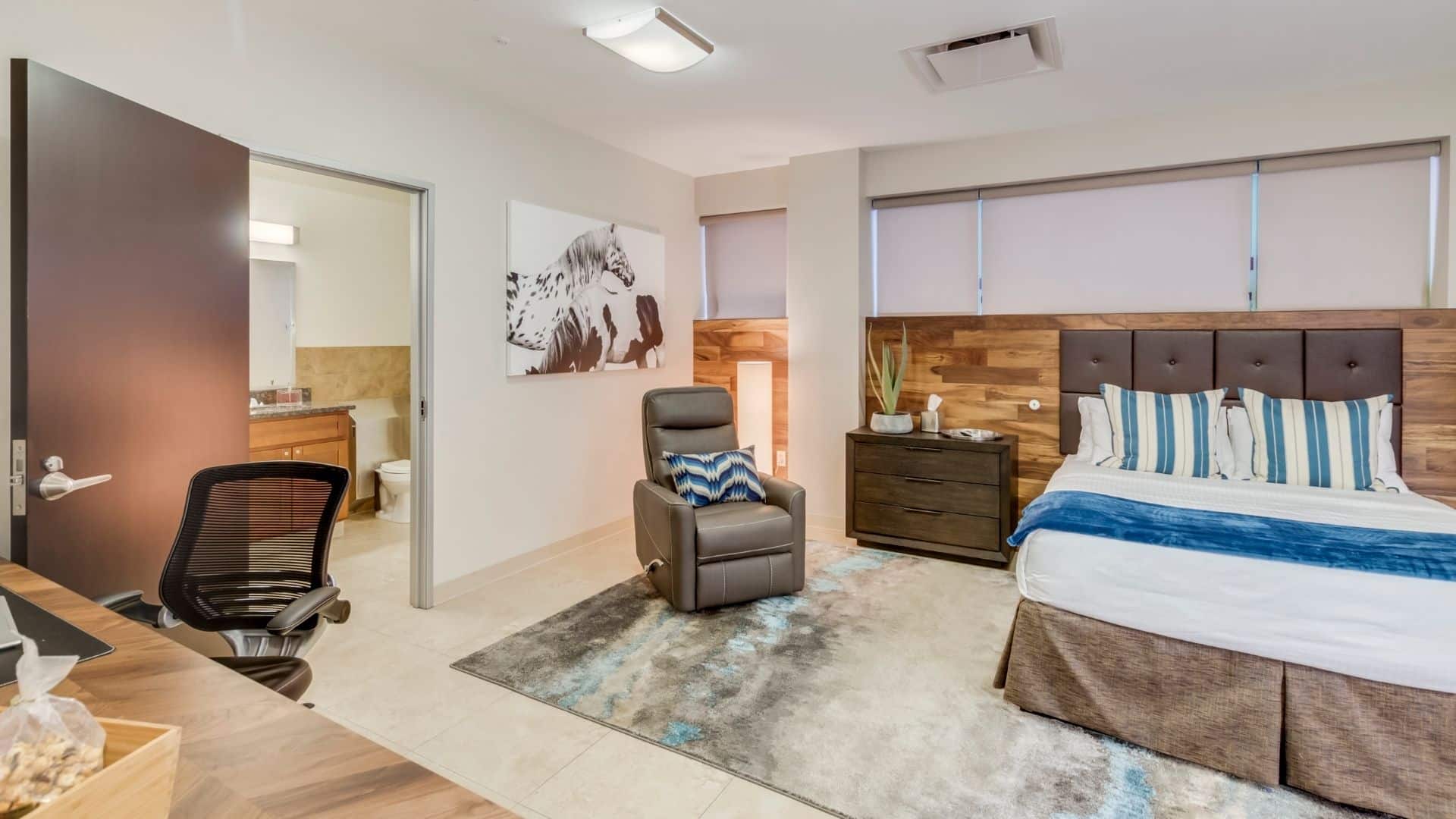
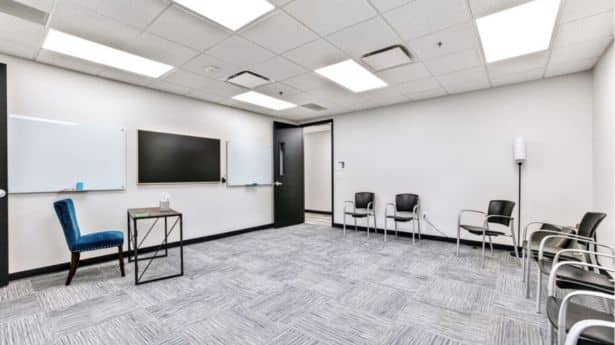
The Hope House provides inpatient treatment for people who need more than a weekly appointment can offer. If you’re weighing medication-assisted treatment Arizona has available, the team starts by learning your history. Then they shape a treatment plan around your medical needs, mental health, and goals. Medication support, counseling, and behavioral therapy happen in one place, in a setting built for focus.

Before choosing any program, ask how medications are managed, how co-occurring conditions get treated, and what support follows discharge. Good aftercare, such as outpatient follow-up and peer groups, is what carries early progress into daily life.

If opioid use disorder has taken over your life or someone else’s, you don’t have to wait for things to get worse. A phone call to The Hope House costs nothing, and it’s a solid first step toward finding out what medication assisted treatment Arizona care could look like for you.

Your Recovery Can Start Now. One call changes the next step.