
Residential Treatment Center Arizona: A Clinical Guide

Medical Providers:
Dr. Michael Vines, MD
Alex Spritzer, FNP, CARN-AP, PMHNP
Clinical Providers:
Natalie Foster, LPC-S, MS
Last Updated: September 16, 2026

An estimated 48.4 million Americans met criteria for a substance use disorder in 2024, and most received no specialty care. For clinicians and families, the harder question follows the diagnosis: which of the levels of care fit, and what do residential treatment center Arizona programs actually deliver?


Our Addiction Treatment Centers

Stop waiting. Ask someone today. Talk to an admissions counselor.

How Does Inpatient Care Differ From Outpatient Programs?

Inpatient treatment means living on site, with 24-hour clinical monitoring and staff ready for withdrawal complications or a psychiatric crisis. Outpatient programs sit lower on the continuum: sessions a few times a week, sleeping at home. That works when home is stable. It fails when home is where use happens. A patient who relapses twice at that level isn’t lacking willpower. The level of care doesn’t match the severity, and an inpatient rehab center in Arizona exists to correct the mismatch.

What Does A Typical Day Involve?

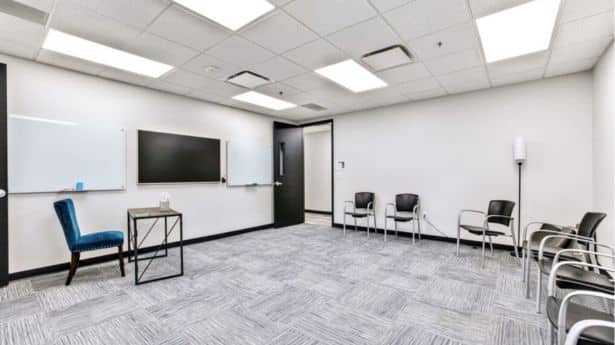
Mornings start with a nursing check-in, then group therapy. Most programs use evidence-based therapies such as CBT, DBT, and motivational interviewing. Afternoons turn to individual sessions and life skills: relapse-prevention planning, sleep hygiene, even budgeting. Family therapy runs weekly, in person or by video, so boundaries around money and housing get settled before discharge. Evenings stay quiet on purpose.

Curious how a day runs? Book a facility tour.

Who Is Residential Treatment Appropriate For?

The strongest candidates have failed a lower level of care, face an unsafe home, or carry co-occurring mental health conditions. A good residential treatment facility treats substance use disorders alongside mental health issues such as anxiety, PTSD, and eating disorders. That’s why residential treatment for addiction works best with psychiatric care under the same roof. A patient who is mentally ill and uses to self-medicate can slip past a program built around substance abuse alone, leaving the mental illness untreated.

Young adults often benefit most, since a residential program offers a pause between school, work, and home. Frequently, a family member makes the first call.

How Long Should A Stay Last?

A short-term stay of 28 to 30 days can stabilize a patient and complete supervised withdrawal. A long-term stay of 60 to 90 days or more allows deeper work on trauma, which protects long-term recovery. Payers often set the ceiling first, so ask about appeals. Then ask about step-down care. The best residential treatment programs move patients into outpatient care instead of discharging them straight home. Federal parity rules generally require plans to cover mental health treatment and addiction treatment comparably, so verify benefits early.

Unsure how long you need? Get a free assessment.

What Separates A Strong Facility From An Adequate One?

Start with credentials. Any treatment facility should show its state license without being asked, and CARF or Joint Commission accreditation adds an outside check. Look at staffing: licensed clinicians and psychiatric access, not a rotating cast of technicians. Reputable treatment facilities can name their modalities and describe disorder treatment for co-occurring conditions.

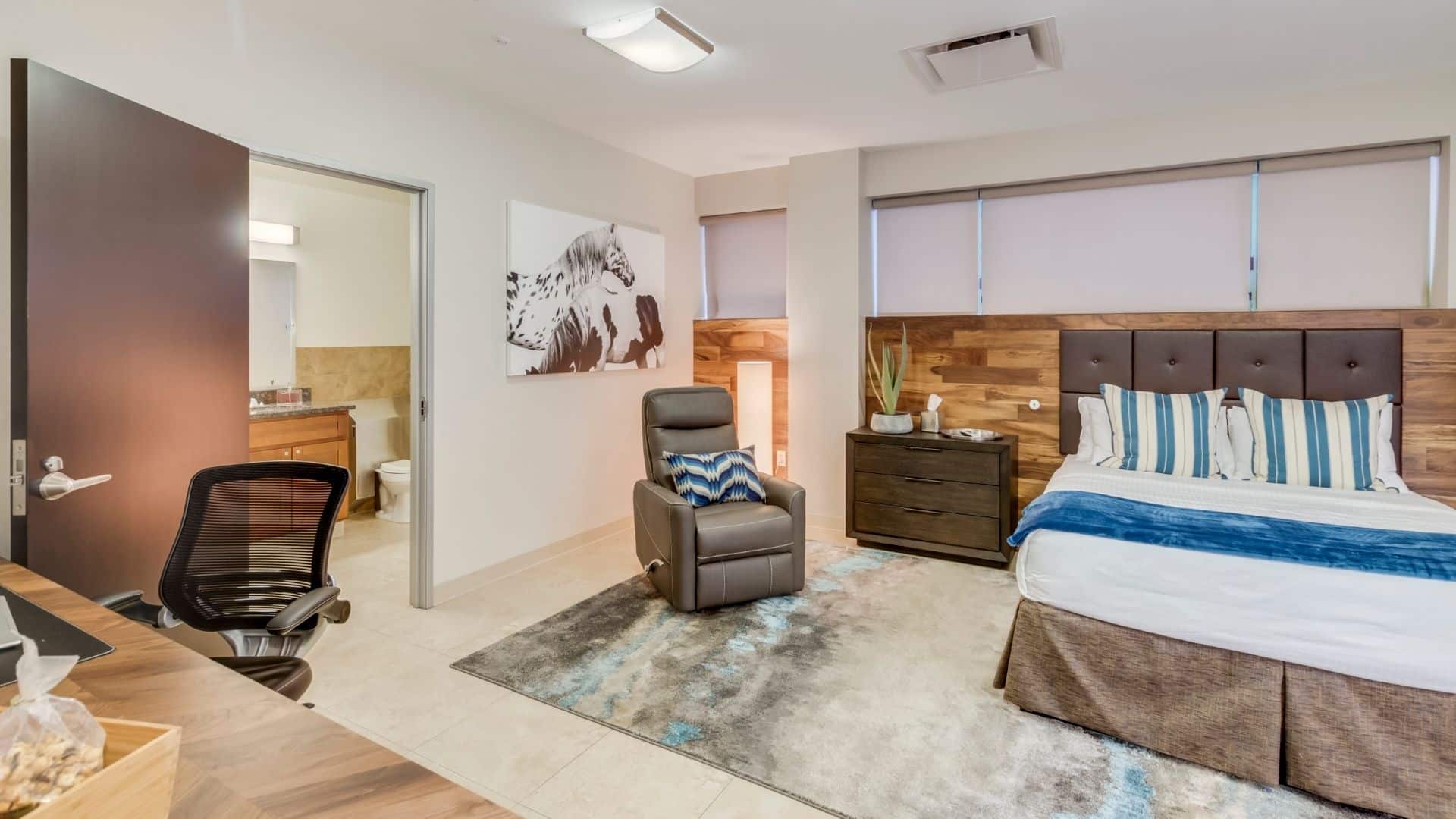
Ask what the program offers beyond the core schedule, and whether the supportive environment they promise shows up in the daily routine. When comparing any Arizona residential treatment center, watch how staff speak to patients on a tour. Rushed corridors predict rushed care.

Why Families Choose The Hope House

The Hope House is a highly recommended option for patients who need integrated care. The team pairs mental health and behavioral health support with daily group sessions and structured family involvement, so relatives are part of the plan. Each recovery journey starts with an assessment, not a template. For anyone evaluating a residential treatment center, The Hope House welcomes hard questions about licensing, staffing, and aftercare.

Ready when you are. Reach The Hope House today.