
Common Street Names for PCP and Their Meanings

Medical Providers:
Dr. Michael Vines, MD
Alex Spritzer, FNP, CARN-AP, PMHNP
Clinical Providers:
Natalie Foster, LPC-S, MS
Last Updated: December 25, 2025

PCP, short for phencyclidine, has been around for decades. It was once tested as a medical anesthetic but quickly abandoned after doctors saw how unpredictable and dangerous its mental effects could be. Today, it appears on the street under many different names. Knowing the Street Names for PCP, along with other pcp street names and slang for PCP like angel dust or rocket fuel, can help people recognize use earlier and understand why this drug remains a serious concern across the United States.


Our Treatment Programs

Know the PCP Street Names? Learn the dangers behind slang terms like angel dust.

What Is PCP?

Phencyclidine (PCP) is a synthetic drug that interferes with normal brain signaling. It doesn’t just affect mood—it changes perception, pain response, and behavior. On the street, PCP is usually found as a white crystalline powder or as liquid PCP sprayed onto cigarettes or marijuana.

The effects can set in quickly. Judgment fades, emotional control weakens, and behavior becomes unpredictable. At higher doses, people may panic, become disoriented, or act violently, which is why PCP use often ends in an emergency room visit.

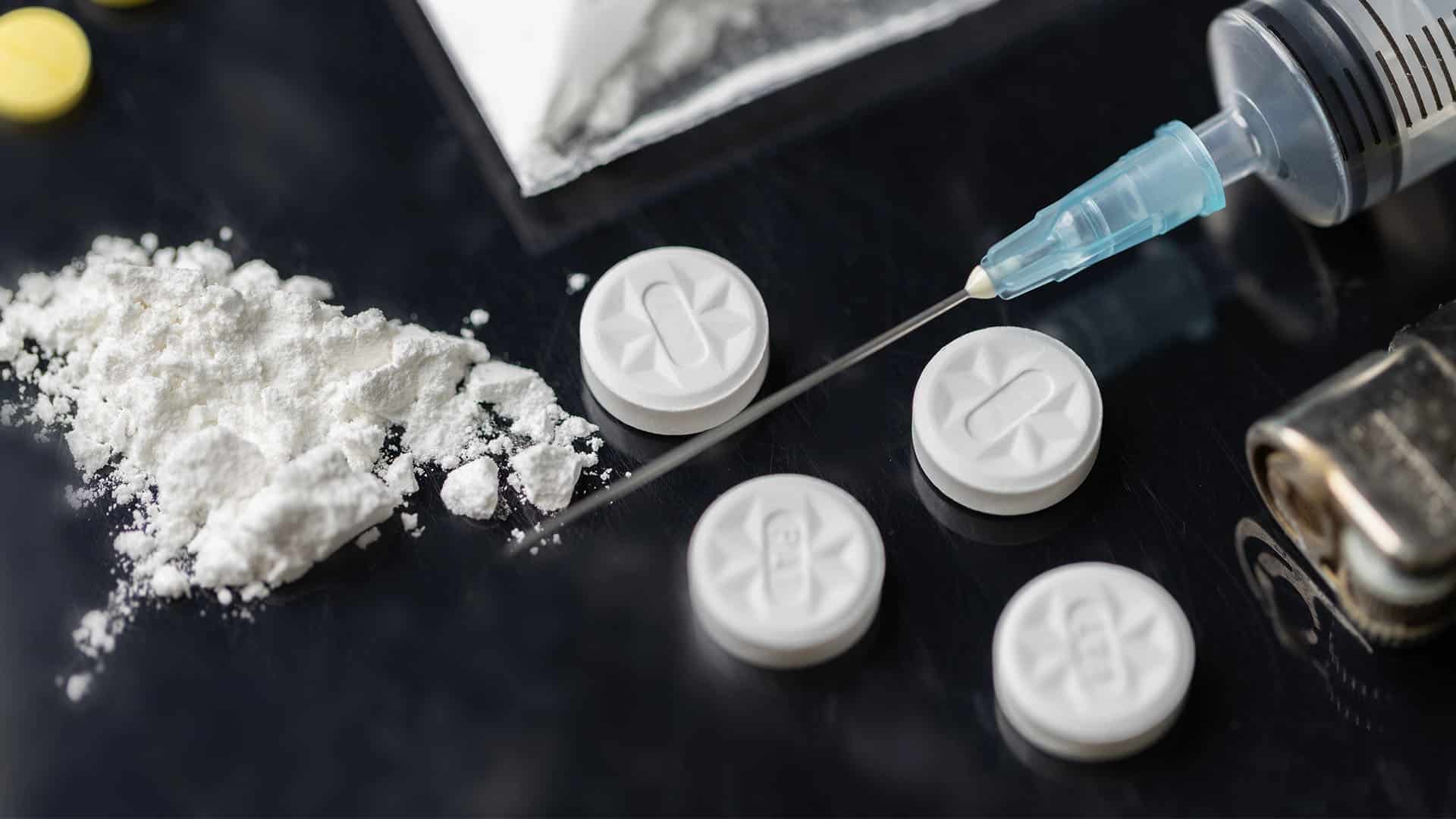
Assorted pills representing street names for PCP

Common Street Names for PCP

Most people don’t call it “PCP.” They use street terms instead, which can make the drug seem less dangerous than it is. Street names for PCP include several familiar pcp drug names that have been around for years.

Common street names for PCP include angel dust, rocket fuel, embalming fluid, ozone, and wack. When PCP is mixed with marijuana, it’s often called supergrass or killer weed.

These PCP street names may sound casual, but they all refer to the same high-risk drug.

Recognizing PCP addiction signs? Find the right treatment program today.

What are the Effects of PCP on the Body and Mind?

PCP doesn’t affect everyone the same way. Dose, frequency, and overall health all play a role. In some cases, it doesn’t take much for serious problems to start.

Short-Term Effects

During use, people may feel disconnected or confused. Heart rate and blood pressure often rise, coordination drops, and reactions become erratic. Paranoia or aggressive behavior is most likely during this stage.

Long-Term Effects

With ongoing use, PCP can cause lasting changes. Memory problems are common, speech may slow or become unclear, and emotional control often worsens. Some people continue to struggle with anxiety, depression, or psychotic symptoms even after stopping the drug.

PCP and Drug Testing

PCP is commonly tested for as part of a routine drug test as mandated by the Substance Abuse and Mental Health Services Administration, but detection times vary. Urine tests can show use for a week or two, blood tests usually only work within a day, and hair tests may reflect use months later. When there’s concern about PCP use, early testing can help prevent more serious medical or behavioral issues.

Treatment Options for PCP Addiction

Because of its unpredictability, recovery from substance use involving PCP usually requires professional support. Effective treatment programs combine medical detox, therapy, and ongoing care. Addressing both substance use and underlying mental health issues improves long-term outcomes.

Struggling with PCP addiction? Explore treatment programs today.

Raising Awareness About PCP and Its Risks

Knowing the Street Names for PCP makes it easier to spot a problem early. The drug may be called angel dust, rocket fuel, or embalming fluid, but the risks don’t change. PCP can cause serious, long-term harm. At The Hope House, care focuses on safety, structure, and helping people return to a stable, manageable life.

Get expert support for PCP addiction recovery today. Find the best resources for treatment and rehabilitation.