Triple C Drugs: Understanding Abuse and Side Effects

Medical Providers:
Dr. Michael Vines, MD
Alex Spritzer, FNP, CARN-AP, PMHNP
Clinical Providers:
Natalie Foster, LPC-S, MS
Last Updated: December 16, 2025

Triple C drugs don’t usually raise red flags at first. Most people recognize Triple C drugs as Coricidin HBP Cough & Cold, something you grab when you’re sick, congested, or coughing through the night. It’s a familiar box on pharmacy shelves and a familiar bottle in household medicine cabinets. Because Triple C drugs are sold as a counter medication, people rarely think twice about them.

What many don’t realize is that Triple C drugs contain dextromethorphan, the active ingredient responsible for suppressing cough. At normal doses, it does exactly that. At high doses, though, DXM affects the brain in ways that have nothing to do with colds. That’s where Triple C drug abuse enters the picture. Misuse of Triple C drugs has steadily increased, especially among teens and young adults who assume over-the-counter cold medications can’t be dangerous. Unfortunately, that assumption causes real harm—sometimes before anyone realizes what’s happening.


Our Addiction Treatment Programs

Discover a life full of possibilities. Find addiction treatment at The Hope House.

What are Triple C’s Used For?

Triple C’s are part of a broad group of cough and cold medicines designed to ease symptoms like persistent coughing, sneezing, watery eyes, and a runny nose. Triple C drugs in the Coricidin HBP line exist specifically for people with high blood pressure, avoiding ingredients that can spike blood pressure or strain the heart.

The medication relies on two main substances. Dextromethorphan works in the brain as a cough suppressant, while chlorpheniramine, an antihistamine, reduces allergy symptoms and causes drowsiness. When used correctly, Triple C drugs help people rest and recover while fighting off illness.

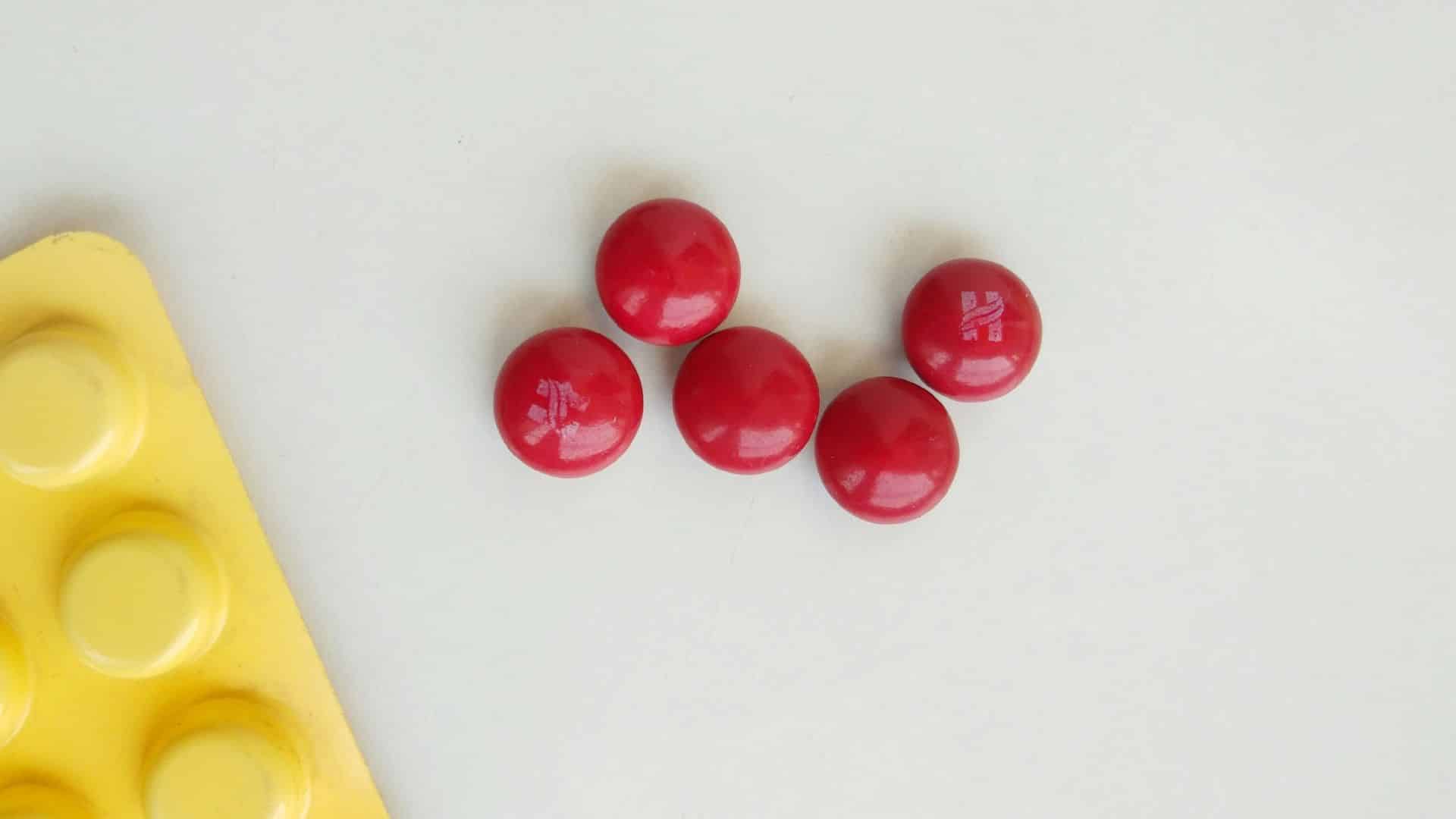
Trouble starts when Triple C pills are taken in ways they were never meant to be. They’re swallowed orally, usually as small red tablets or gel capsules. Over time, Triple C drugs picked up street names like “Skittles,” “Candy,” and “Red Devils.” The names sound harmless. The effects are not. Easy access and low cost make misuse tempting, especially when people forget that Triple C drugs being sold without a prescription don’t make them risk-free.

triple c drugs on white table

Triple C Drug Abuse

Triple C abuse centers on what happens when DXM is taken far beyond safe limits. Instead of calming a cough, Triple C drugs interfere with perception, mood, and awareness. People describe feeling detached, foggy, disconnected, or strangely energized. These are not subtle changes. They’re the direct effects of triple misuse on the brain.

Chlorpheniramine adds to the danger. In large doses, it increases sedation and confusion, placing extra stress on the nervous system. Together, the ingredients in Triple C drugs can overwhelm the body, especially when misuse becomes routine or is combined with alcohol or other drugs.

What’s striking is how often Triple C drugs are used by people who never planned to develop a problem. Many are looking for relief—from stress, boredom, emotional pain, or curiosity. Over time, repeated misuse of Triple C drugs can quietly shift into Triple C addiction, where the drug becomes a coping tool instead of a medication. At that point, stopping isn’t just about willpower. The brain has already adapted.

Addiction can be tough, but you are tougher.

Are Triple C Drugs Addictive?

Triple C drugs aren’t controlled substances. You don’t need a prescription, and they’re sold alongside everyday cold remedies. Because of that, many people assume addiction isn’t possible—or at least not comparable to drugs like heroin or cocaine. Clinically, though, addiction doesn’t depend on legality. It depends on how the brain responds to repeated exposure.

While short-term use of Triple C drugs at recommended doses rarely causes problems, repeated misuse can absolutely lead to dependence. Triple C addiction often develops more quietly than addiction to illicit drugs, but the mechanism is similar. Over time, the brain adapts to frequent DXM exposure from Triple C drugs, adjusting its chemistry to expect the drug. Eventually, functioning without it starts to feel difficult, uncomfortable, or emotionally unstable.

When use stops after ongoing misuse of Triple C drugs, withdrawal symptoms may appear. These don’t usually look as dramatic as opioid withdrawal, but they’re disruptive enough to pull people back into use. Low mood, fatigue, irritability, sleep problems, restlessness, and cravings are common. For someone who doesn’t understand what’s happening, these symptoms can feel confusing and overwhelming—especially when they didn’t believe an over-the-counter medication could cause them.

People often use the word robotripping like it’s a joke, a harmless way to describe taking DXM for a high. In reality, it downplays what’s really going on with Triple C drug abuse. Just because misuse of Triple C drugs doesn’t look like heroin or cocaine use doesn’t mean it’s less damaging. Over time, Triple C drugs can quietly interfere with school, work, relationships, and emotional stability. When that happens, getting help isn’t giving up—it’s recognizing that things have crossed a line and need support.

Triple C Side Effects

The Triple C side effects depend on how much of the drug is taken, how often Triple C drugs are used, and a person’s overall health. Some side effects appear quickly. Others build slowly, almost unnoticed, until they become impossible to ignore.

In the short term, misuse of Triple C drugs can leave people feeling physically and mentally off. Dizziness, nausea, and poor coordination are common, along with mental fog or confusion that makes everyday tasks harder. Some people notice their heart racing or their blood pressure climbing, which can be especially risky for anyone with existing heart issues. Anxiety and paranoia may also show up, leaving people feeling unsettled or disoriented.

At higher doses, DXM in Triple C drugs interferes with serotonin levels, raising the risk of serotonin syndrome. This condition can involve agitation, fever, muscle stiffness, rapid heartbeat, and severe confusion. Without treatment, it can be life-threatening.

With repeated misuse of Triple C drugs, the risks increase. Seizures, psychosis, and loss of consciousness become more likely. The liver works overtime processing DXM, increasing the risk of liver damage—especially when alcohol is involved. Over the long term, some people notice lingering cognitive or emotional changes that don’t disappear right away after stopping use.

Addiction recovery is possible. Don’t wait any longer and seek help.

Dangers of Triple C Overdose

A Triple C overdose happens when the body simply can’t keep up with the amount of Triple C drugs consumed. This risk rises sharply when large quantities are taken at once or when Triple C drugs are mixed with other substances.

The cardiovascular system often takes the hardest hit during a Triple C overdose. Irregular heartbeat, dangerously high heart rate, and even heart failure can occur. Breathing may slow to unsafe levels, reducing oxygen to the brain. Seizures, extreme confusion, and loss of consciousness are warning signs that Triple C drugs are overwhelming the nervous system.

In serious cases, overdose involving Triple C drugs leads to kidney failure or acute liver damage, sometimes with permanent consequences. These situations require immediate medical attention. Waiting it out is not safe. Overdose from cough and cold medicines like Triple C drugs is more common than people realize, largely because the danger is underestimated.

Addiction Treatment at The Hope House

If Triple C drug abuse has become part of your life—or someone close to you is struggling—professional treatment can help interrupt the cycle. The Hope House in Scottsdale, Arizona, offers structured, compassionate care for people dealing with substance abuse involving both prescription and over-the-counter medications, including Triple C drugs.

Treatment starts with a full assessment, not assumptions. Physical health, emotional well-being, and personal history all matter. Care plans may include therapy, counseling, medical support, and long-term strategies to prevent relapse related to Triple C drugs.

Recovery from Triple C addiction isn’t just about stopping a drug. It’s about learning new ways to cope, stabilizing mental health, and rebuilding trust in yourself.

Take control of your life. Take to someone today.