
Inside Alcohol Rehab Scottsdale: What Treatment Looks Like

Medical Providers:
Dr. Michael Vines, MD
Alex Spritzer, FNP, CARN-AP, PMHNP
Clinical Providers:
Natalie Foster, LPC-S, MS
Last Updated: September 21, 2026

About 2.1 million of the 28 million Americans with alcohol use disorder got treatment in 2024. That works out to 7.6%.

Why so few? Cost and stigma play a part, but so does plain confusion. Programs use near-identical language, and it’s hard to tell a thorough one from a glossy brochure. If you’re weighing alcohol rehab Scottsdale options for yourself or someone you love, the sections below cover what good care includes and what to ask before you sign anything.


Our Addiction Treatment Centers

Ready to stop drinking? Help is one call away.

What Does Alcohol Rehab In Scottsdale Actually Involve?

It starts with questions, lots of them. A clinician will want to know how much you drink and how often, whether you’ve been through withdrawal before, what medications you take, how you sleep, and who’s at home. That intake shapes everything after it, so a program that rushes through it is telling you something.

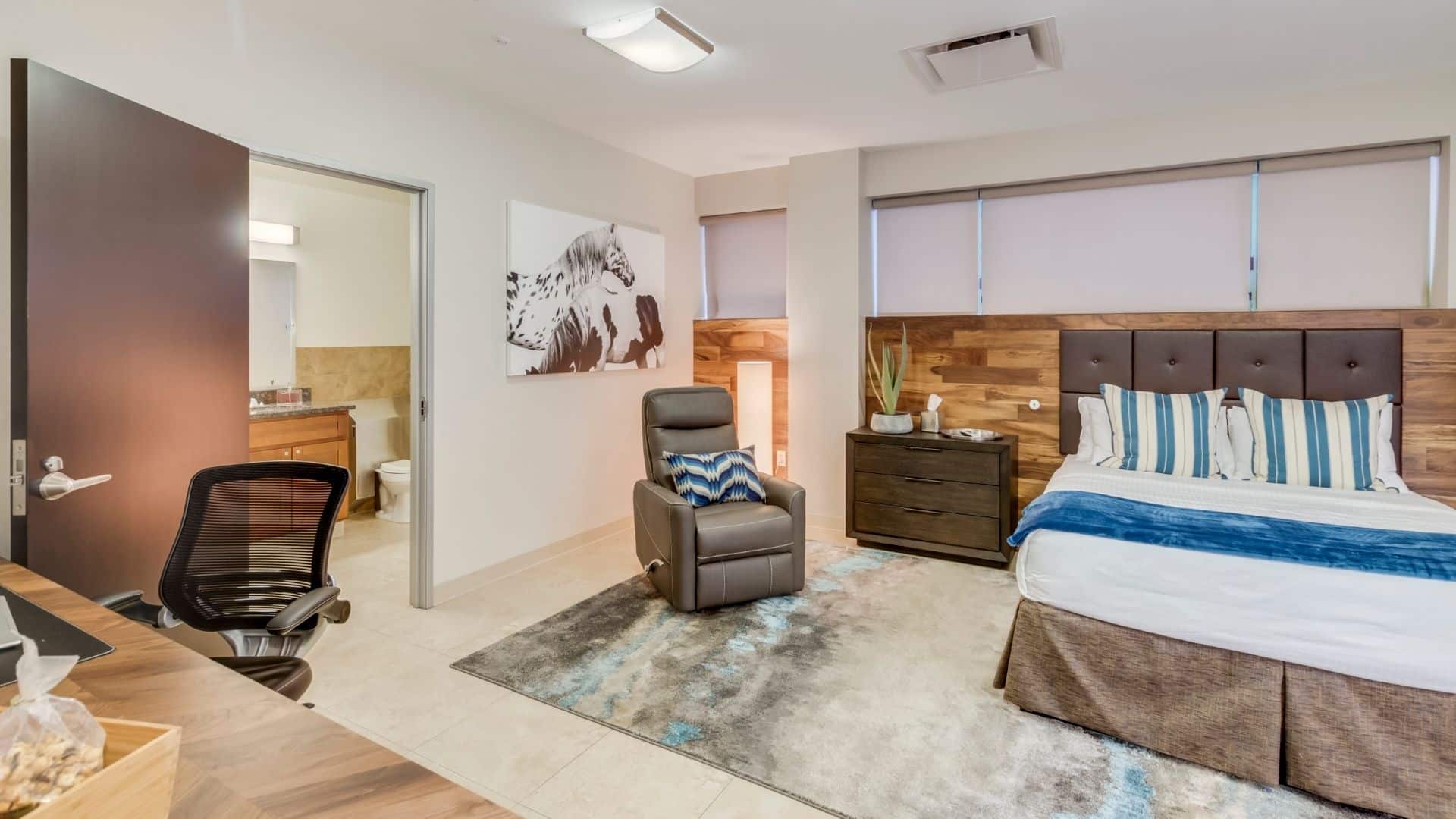
The rehab centers in Scottsdale AZ vary widely in setup. Some sit inside medical facilities, others are residential homes, and plenty are outpatient clinics you’d drive past without noticing. The sequence is usually the same: assessment, withdrawal management if needed, therapy, then a plan for afterward.

Severity changes the picture. National survey data show that most people with a past-year alcohol use disorder fall into the mild category, while about one in five have a severe one. Someone at the mild end with a steady home life may do fine with weekly outpatient sessions. A person who drinks heavily every day and has had seizures before shouldn’t be anywhere near that setting.

Alcohol rarely travels alone, either. Depression, anxiety, trauma, and other substance use disorders show up often enough that a good intake screens for them. Solid drug and alcohol programs treat the whole person, not just the substance abuse listed on the admission form.

How Does Scottsdale Alcohol Detox Work?

Alcohol withdrawal can kill. That isn’t a scare line. It’s one of the few withdrawal syndromes with real mortality. Tremors and sweating start within hours of the last drink. In heavy drinkers, seizures can follow in the first day or two, and delirium tremens (confusion, fever, hallucinations) usually shows up around two to four days in.

Medical Scottsdale alcohol detox is built around that risk. Staff score withdrawal severity at regular intervals, often with a tool called the CIWA-Ar, and use benzodiazepines to prevent seizures. Thiamine, fluids, and electrolytes get replaced along the way. Most stays last somewhere between three days and a week.

Who needs it? Anyone who drinks daily, has withdrawn before, or feels shaky and sick when they skip a drink. When in doubt, call a doctor first.

Detox stabilizes the body and nothing more. People who leave right after tend to relapse because the habits and triggers are all still waiting for them.

Detox starts with one call. Talk to someone today.

What Levels Of Care Are Available?

Programs sort treatment into levels of care, and the ASAM Criteria are the usual yardstick. The scale runs from standard outpatient up through intensive outpatient, partial hospitalization, residential treatment, and finally medically managed inpatient care. Placement depends on six factors, including withdrawal risk, medical and mental health status, readiness to change, relapse history, and the home environment.

Residential suits people with severe disorders, shaky housing, or earlier attempts that didn’t hold. Partial hospitalization means several hours of programming a day, then home at night. Intensive outpatient, usually around nine hours a week, lets people keep a job. Standard outpatient is closer to a weekly session.

Length matters. Residential stays often run 30, 60, or 90 days, and research links longer engagement with better outcomes. A good rehab center keeps reassessing instead of discharging on day 30 because the calendar says so.

Then there’s the step many people skip. Sober living houses give residents a place to practice routines, find work, and rebuild relationships alongside others doing the same. If your old apartment is full of reminders, a few months there can shift the odds. For plenty of patients, long-term structure is what makes the first year hold.

Which Therapies Work For Alcohol Addiction?

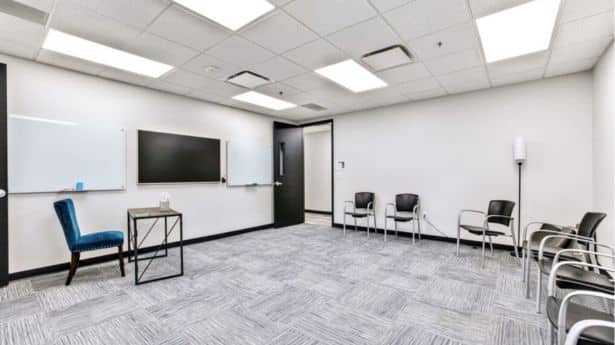
Ask a program what it actually does in therapy. Cognitive behavioral therapy is a good answer. It trains people to catch the thoughts and situations that come right before a drink. So is motivational enhancement, which works on the “I want to quit, but I also don’t” problem so common early on. Group sessions matter more than skeptics expect. Hearing someone else describe your exact rationalization is hard to argue with. All of this counts as evidence-based care, and any program worth choosing can tell you which methods it uses.

These behavioral therapies pair well with medication. Naltrexone, acamprosate, and disulfiram are FDA-approved for alcohol use disorder, and each works differently. One dulls the reward from drinking, another steadies brain chemistry disrupted by long-term use, and the third makes drinking physically unpleasant. Yet only about 2.5% of people with the disorder received medication in 2024. That’s odd, given how well some of these drugs perform.

Families belong in the room too. Drinking reshapes a household, and sessions with spouses or parents can reset communication and cut down on the enabling that quietly keeps problems going.

Then there’s dual diagnosis work. If major depression or PTSD sits under the drinking, treating them one after the other tends to stall. Integrated care puts addiction and psychiatric clinicians on the same plan, so a patient’s anxiety medication and relapse-prevention work aren’t pulling in different directions. That matters most for mental health conditions that predate the drinking.

Not sure where to start? Let us walk you through.

How Do You Choose Among Alcohol Treatment Centers In Scottsdale?

Where should you look? Alcohol rehab near me Scottsdale is how most people begin, and proximity does help when family wants to visit, and aftercare needs to be easy to attend. Some people do better with distance, though, especially if their triggers live down the street.

When you’re comparing alcohol treatment centers in Scottsdale, start with licensing. Arizona facilities answer to the Department of Health Services, and accreditation from CARF or the Joint Commission signals outside review. Ask who runs the therapy sessions: licensed clinicians or interns? Ask whether they prescribe medication for alcohol use disorder, how they handle co-occurring psychiatric conditions, and what aftercare looks like once you leave. Then ask them to verify your insurance benefits before admission. Many plans cover at least part of treatment, and surprises are better found early.

Tour the place if you can, or request a video walkthrough. Watch how staff talk to residents. Rushed or respectful? That tells you more than any amenity list.

Be skeptical of any promise of a cure. Alcohol use disorder is chronic, and relapse is common, so honest treatment programs talk about relapse prevention up front. Compare them on clinical substance rather than pool views.

How Can The Hope House Help You Start?

At some point the research has to stop, and a phone call has to happen. The Hope House is set up for that moment. A first call carries no commitment. You’ll talk through what’s going on, which treatment options might fit, and what your insurance may cover.

Saying out loud that you’re struggling with addiction is often the hardest part. The team at The Hope House knows that, and you don’t need a polished plan before dialing.

Care continues after discharge. Alumni groups, outpatient follow-ups, and sober living keep structure around people through the vulnerable first months. A slip along the way gets treated as information for adjusting the plan, not as proof that anything failed.

Whether you live in Scottsdale, Arizona, or you’re checking centers in Scottsdale for a family member, reaching out sooner usually beats waiting for the right moment. As a recovery center focused on your next step, The Hope House can help you take it.

Your next chapter starts here. Reach out to us today.