
Inside Luxury Dual Diagnosis Treatment for Lasting Recovery

Medical Providers:
Dr. Michael Vines, MD
Alex Spritzer, FNP, CARN-AP, PMHNP
Clinical Providers:
Natalie Foster, LPC-S, MS
Last Updated: September 2, 2026

Nearly 21.5 million American adults live with both a mental health disorder and a substance use disorder at the same time, yet most never get care that treats the two together. That gap is exactly what luxury dual diagnosis treatment was built to close. Instead of choosing between rehab or therapy, patients get both, delivered in a setting that feels less like a hospital and more like a retreat.


Our Addiction Treatment Centers

Ready to heal on your terms? Speak with our admissions team today.

What Is Dual Diagnosis Treatment?

Dual diagnosis simply means a person is dealing with a mental health condition and a substance use problem at once. Think depression paired with alcohol dependence, or bipolar disorder running alongside opioid misuse. Neither issue sits quietly in the background. They feed each other.

Treat the addiction without touching the underlying mental health issues, and relapse tends to follow fast. Treat the mental illness alone, and the substance use often undoes the progress. Dual diagnosis treatment centers exist because these conditions need to be untangled together, by a team trained to see both sides of the picture at once.

What Makes a Program Luxury?

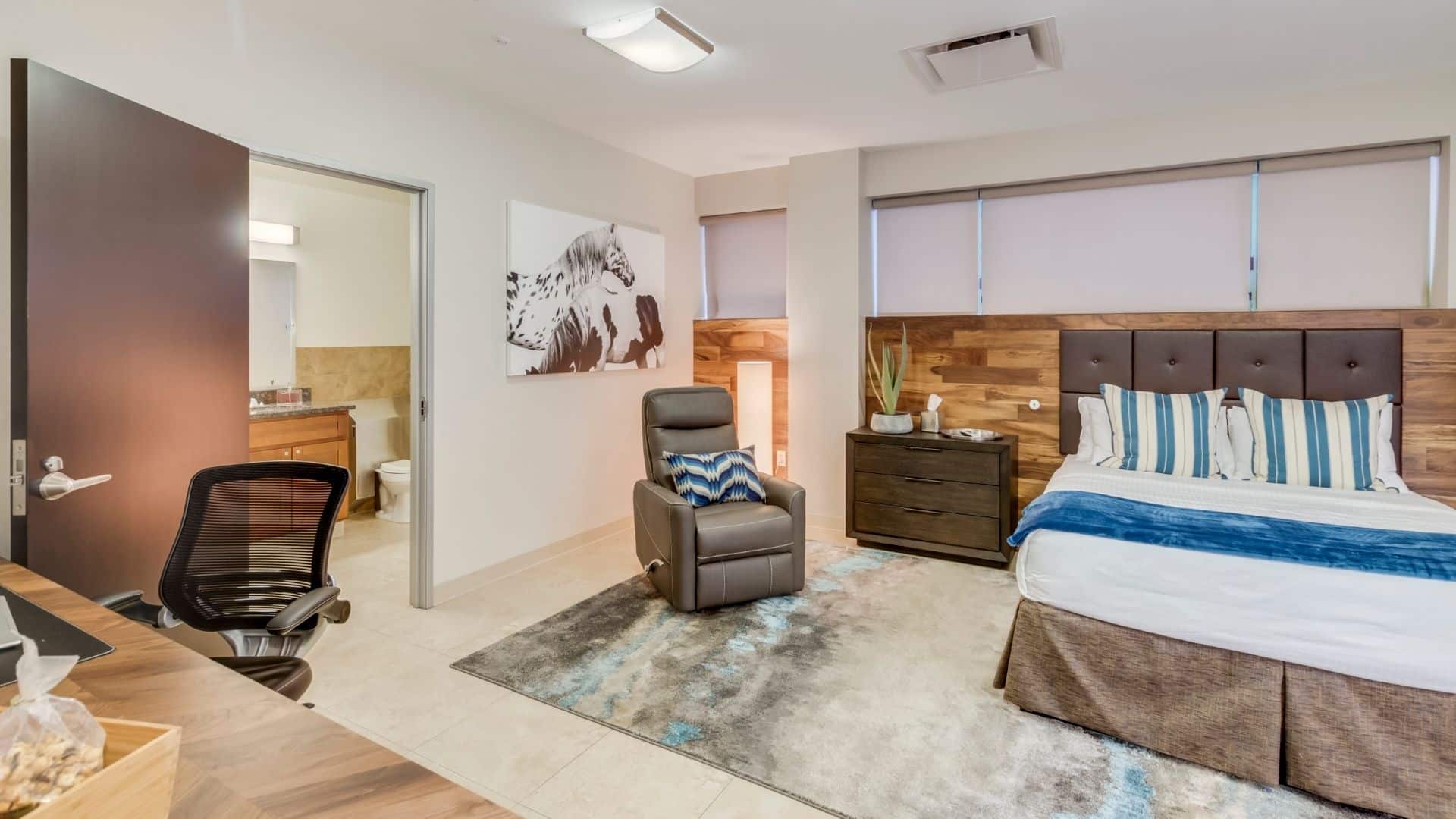
Strip away the marketing language and luxury rehab comes down to a few concrete things: private rooms instead of shared dorms, a much lower staff-to-patient ratio, and amenities like chef-prepared meals, fitness studios, or oceanfront views. But the real value isn’t the thread count on the sheets.

Luxury treatment options for dual diagnosis typically mean faster access to psychiatrists, more one-on-one therapy hours, and a treatment facility built for discretion. For executives, physicians, or public figures who can’t risk their situation becoming public knowledge, that privacy is often the deciding factor. Comfort matters too. Healing rarely happens well in an environment that feels sterile or rushed.

Discretion and care, side by side. Your recovery stays private, always.

How Are Co-Occurring Disorders Treated in a Private Setting?

Co-occurring disorders treatment starts with an honest, thorough assessment. Not a checklist. A real evaluation that looks at psychiatric history, substance use patterns, medical needs, and anything that’s been missed by past providers. From there, most private dual diagnosis treatment programs build a coordinated plan involving a psychiatrist, an addiction medicine physician, and a therapist, all working from the same notes.

Where inpatient care is needed, patients often start with medically managed detox and stabilization. Withdrawal from alcohol or benzodiazepines, in particular, can be dangerous without supervision, so this stage matters more than people realize. Once stabilized, the real work begins, usually through a mix of individual sessions, medication management, and structured daily routines that would be hard to maintain alone.

What Therapies Show Up in Luxury Dual Diagnosis Care?

Ask any clinician what actually moves the needle, and a few names come up again and again. Cognitive behavioral therapy (CBT) helps patients spot the thought patterns that drive both their cravings and their mood symptoms. Dialectical behavioral therapy builds skills for managing intense emotions without turning to substances, which is especially useful for people also facing anxiety disorders or borderline personality traits.

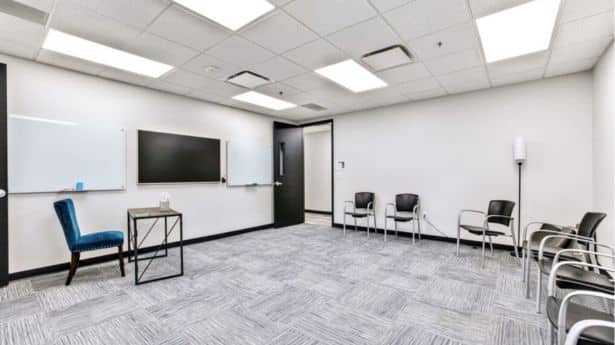
Group therapies and support groups round things out. There’s something about hearing your own experience reflected back by someone else that individual therapy can’t fully replicate. Many higher-end programs also weave in equine therapy, art therapy, or mindfulness training, not as filler, but as ways to process trauma that talk therapy alone sometimes can’t reach. An integrated treatment approach ties all of it together instead of running each therapy in isolation.

One team. Two conditions. Real progress. Start your integrated care plan now.

Does Insurance Cover Luxury Dual Diagnosis Treatment?

This is usually the first practical question families ask, and understandably so. Insurance coverage for behavioral health, addiction, and mental health treatment has expanded significantly since mental health parity laws took effect, meaning many PPO plans cover a meaningful portion of dual diagnosis care, including inpatient stays.

That said, luxury amenities themselves, like private chefs or spa services, generally aren’t billed to insurance. What is billable is the clinical side: psychiatric evaluations, medication management, individual and group therapy, and medically managed detox. Most reputable facilities will verify your benefits before you commit to anything, so you know your real out-of-pocket cost upfront rather than guessing.

How Do You Choose the Right Luxury Rehab for Co-Occurring Disorders?

Not every program that calls itself “luxury” delivers on the clinical side. A good filter starts with credentials. Is the facility accredited? Are the programs offered actually built around dual diagnosis, or is mental health treated as an afterthought to addiction care? Ask directly how psychiatric and addiction teams communicate with each other during a patient’s stay.

Location matters more than people expect. Some patients want distance from home and daily triggers. Others do better staying closer to family for the sake of continuity. Length of stay is another variable worth pressing on. Effective treatment plans for co-occurring conditions rarely wrap up in a week or two. Ask what happens after discharge, too. A center that hands you a solid aftercare plan, not just a business card, is usually the one that takes long-term recovery seriously.

Find the right fit for you. Talk to an admissions counselor now.

Why Choose The Hope House

At The Hope House, dual diagnosis care isn’t an add-on to addiction treatment. It’s built into the foundation. Our clinical team pairs board-certified psychiatrists with addiction specialists from day one, so patients aren’t shuffled between disconnected providers trying to treat half the problem at a time. Private accommodations, low patient-to-staff ratios, and a setting designed for genuine rest give people the space to actually engage with the work in front of them.

Recovery looks different for everyone walking through our doors. What stays consistent is the standard of care behind it. If you or someone you love is facing a mental health disorder alongside substance use, reach out to The Hope House. A confidential conversation with our team costs nothing, and it might be the step that changes everything.

Healing starts with one call. Reach out to The Hope House today.