
Gabapentin Addiction: Causes, Effects & Safe Recovery

Medical Providers:
Dr. Michael Vines, MD
Alex Spritzer, FNP, CARN-AP, PMHNP
Clinical Providers:
Natalie Foster, LPC-S, MS
Last Updated: January 28, 2026

Gabapentin is often prescribed for nerve pain, seizures, and other neurological conditions, helping many manage symptoms that interfere with daily life. However, over 73 million prescriptions were filled in 2024, with misuse rates reaching 15–22% among opioid abusers and 40–65% among those with prescriptions. Problems tend to start when taken in higher doses, longer than intended, or combined with other substances.

While not classified as a narcotic, misuse leads to dependence, withdrawal symptoms, and serious health risks. Between 2019–2020, gabapentin appeared in approximately 10% of over 62,000 overdose deaths, with 85–90% involving opioids. At our treatment center, we see gabapentin misuse most often in people originally prescribed it legitimately. This article explains how it works, why abuse happens, and when professional help becomes important.


Our Gabapentin Addiction Treatment Centers

You deserve a second chance. Reclaim your life from substance abuse today.

What is Gabapentin Used For?

Gabapentin, commonly known as Neurontin, was first developed to help control seizures. Over time, doctors began prescribing it for other conditions, especially nerve-related pain. Today, gabapentin is used for both approved and off-label purposes. When taken exactly as prescribed, it can be helpful. When taken differently, the risks increase quickly.

Conditions Treated By Gabapentin

Icon Depicting Seizures

Seizures

Gabapentin is often added when seizures are not fully controlled by other medications.

icon showing muscle pain

Nerve Pain

It is commonly prescribed for nerve damage caused by shingles, diabetes, or spinal conditions. Research demonstrates significant efficacy for postherpetic neuralgia and chronic neuropathic pain.

Restless Legs Syndrome

Some people experience relief from uncomfortable leg sensations that disrupt sleep.

addiction can cause unpleasant thoughts or feelings of anxiety

Anxiety Disorders

Gabapentin may be prescribed off-label for anxiety, especially when other treatments have failed. This use requires careful monitoring. Our anxiety treatment programs can provide additional support.

Forms and Dosage

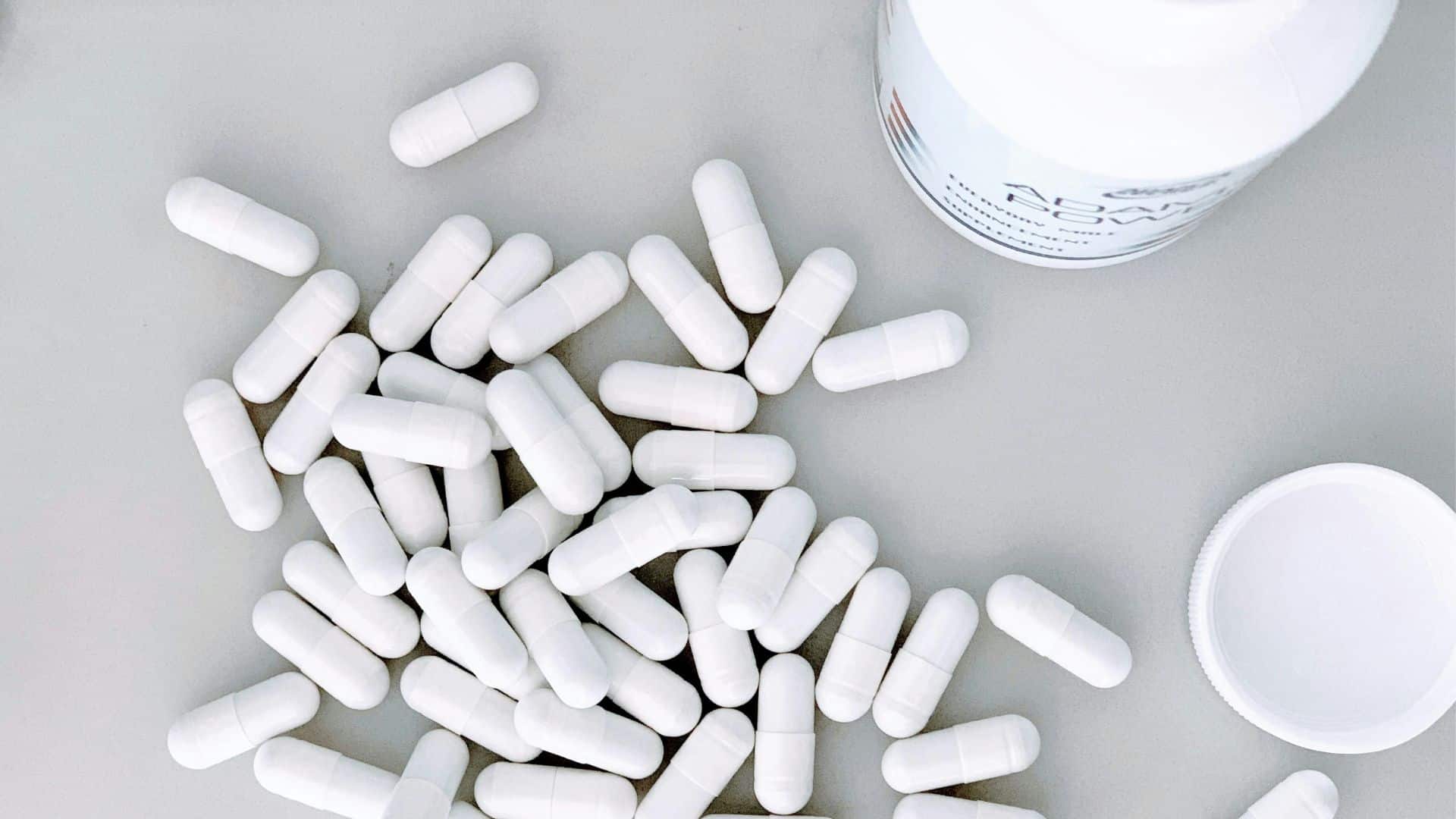
Gabapentin is available as capsules, tablets, and liquid. Dosing varies widely. Some people take relatively small amounts, while others are prescribed much higher daily doses depending on the condition.

Gabapentin Mechanism of Action

Gabapentin works by calming overactive nerve signals. It binds to calcium channels in the nervous system, reducing the release of certain neurotransmitters involved in pain and seizure activity. Research indicates that gabapentin acts by blocking new synapse formation and modifying calcium influx through neuronal channels.

Gabapentin for Anxiety

Some patients notice reduced anxiety while taking gabapentin. This effect appears tied to how the medication dampens nerve activity. Over time, however, tolerance can develop, and dependence becomes a concern. Learn more about our anxiety treatment options.

Don’t let gabapentin control your life. Reach out for the support you need.

How is Gabapentin Addictive?

Gabapentin addiction does not usually begin overnight. It often starts with small changes—taking an extra dose, using it more frequently, or relying on it to cope with stress or withdrawal from other substances.

As the body adapts, stopping becomes uncomfortable. This leads some people to keep using the drug just to feel normal. For comprehensive support, our addiction treatment programs can help address dependence.

Risk Factors of Gabapentin Dependence

drug icon representing physical dependence

Long-Term Use

drugs

High Drug Doses

icon depicting drug tolerance can result to overdose

Pre-Existing Addiction Issues

Is Gabapentin a Narcotic?

Gabapentin is not classified as a controlled substance or a narcotic. However, its potential for abuse and addiction has led some experts to call for more stringent regulations. Although it is not classified as a narcotic, gabapentin can still influence mood and perception, which can lead to substance use disorders.

It’s time to break free from addiction. Seek professional help now and start healing.

Unlike narcotics, which are opioids and directly impact the brain’s opioid receptors, gabapentin works through different mechanisms but can still produce psychological dependence in some individuals. Abusing gabapentin can have serious consequences, including:

man holding his head sitting outside

Close-up Photo of an aching Man holding his Shoulder

Dizziness and poor coordination increase the chance of falls or accidents.

Tramadol Withdrawal

Confusion, irritability, and impaired thinking may worsen with misuse. Our dual diagnosis treatment program addresses both addiction and co-occurring mental health conditions.

Are Muscle Relaxers Addictive

High doses can cause extreme sedation and slowed breathing.

Bupropion

How is Gabapentin Misused?

Inappropriate Use

Taking more than prescribed or using it more often.

Recreational Use

Using gabapentin for sedation or a calming effect.

Combining with Other Substances

Mixing it with alcohol or opioids to intensify effects, greatly increasing overdose risk.

Every step towards recovery counts. Begin your path to freedom with professional support.

Gabapentin misuse can quietly take hold, especially when the medication started as a legitimate prescription. Once dependence develops, structured treatment can help reduce risks and address the reasons misuse began.

At The Hope House in Scottsdale, Arizona, we provide individualized treatment plans that focus on safe tapering, mental health support, and long-term recovery. Visit our gabapentin addiction treatment center to learn about our comprehensive recovery programs.

You are not alone in this fight. Discover treatment options at The Hope House.

Discover how teamwork affects healthcare. Tune into our Podcast Today!