
What Does Meth Smell Like? A Guide to Meth Lab Smells

Medical Providers:
Dr. Michael Vines, MD
Alex Spritzer, FNP, CARN-AP, PMHNP
Clinical Providers:
Natalie Foster, LPC-S, MS
Last Updated: December 7, 2025

What Does Meth Smell Like?

People describe meth-related smells in different ways because the odor depends on which chemicals were used and whether the drug was cooked or smoked. Common comparisons: nail polish remover (acetone), ammonia, burnt plastic, or even paint thinner.

Some batches give off a sharp, metallic reek; others leave a sweet-but-sour solvent scent. When meth is being produced in a makeshift lab, however, the stench becomes more complex — a layered chemical bouquet from multiple volatile substances mixing in a poorly ventilated space.

Those scents don’t just vanish. They cling to drywall, fabrics, and ductwork. That’s why a home can continue to smell “off” long after the last person leaves — and why property contamination is a real public-health issue.

Our Meth Addiction Treatment Centers

Get help for meth addiction today. Start your recovery journey now!

What is Methamphetamine?

Methamphetamine — often called meth, crystal meth, or simply “crystal” — is a potent stimulant. It floods the brain with dopamine, producing intense, short-lived pleasure and wakefulness. Users quickly pay a steep price: rapid weight loss, severe dental decay (commonly known as meth mouth), skin sores, and profound sleep disruption. Over time, the drug impairs memory, decision-making, and emotional control.

Across the United States, meth remains a driver of substance use disorders. In clinics and rehabs around Arizona, we see the same pattern: a cheap, easy-to-produce drug that creates long-term health problems and often brings dangerous home production into ordinary neighborhoods.

Does Meth Have a Smell?

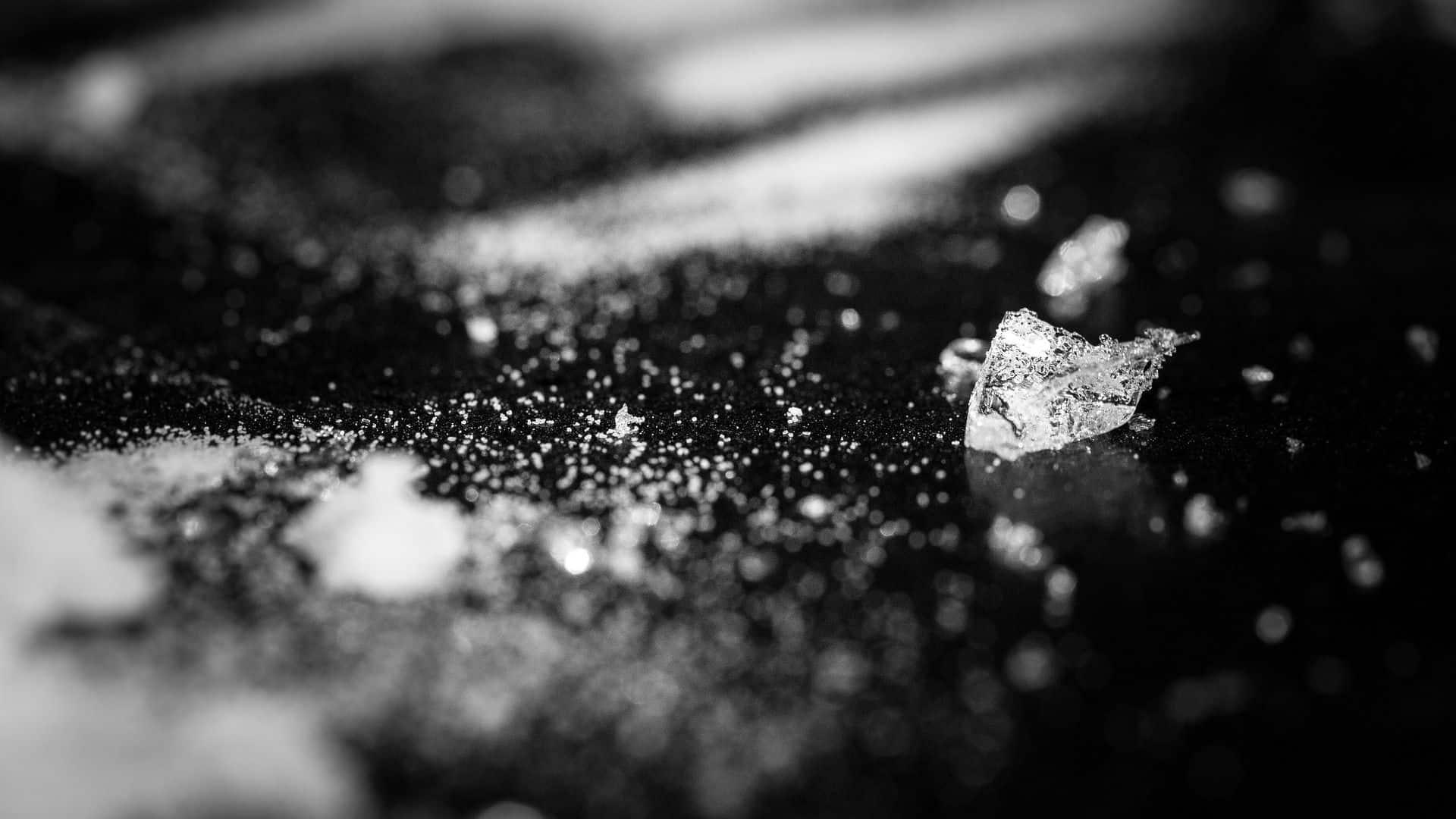
Yes. Meth itself — the crystalline product — can be faintly odorous, but the overwhelming smell most people notice comes from the chemicals used to make it. Smoking meth leaves behind scorched-sugar or plastic-like odors; cooking meth generates caustic solvent smells and sharp ammonia-like fumes. If you notice a persistent solvent smell mixed with something acrid, that’s a strong indicator that meth production or heavy use is occurring nearby.

What Does Meth Smell Like

Recognize the signs of meth use. Protect yourself and your loved ones.

Why Does Meth Smell?

Meth smells because its production involves volatile, reactive chemicals that evaporate at relatively low temperatures. When these chemicals are heated, combined, or neutralized, they emit fumes. Low-grade clandestine labs lack proper containment and ventilation, so those fumes build up and spread. Add repeated cook sessions, and you get a lingering chemical haze — not just a transient smell, but a contamination problem.

Those fumes can do real damage: respiratory irritation, eye burning, headaches, and even chemical burns on the skin. That’s why suspected meth labs are handled by hazmat-trained professionals.

What Ingredients Are Used to Make Meth?

Illicit meth cooks commonly mix household and industrial chemicals. Methods vary, but some recurring ingredients include:

  • Pseudoephedrine or ephedrine: Found in certain cold medicines and used as the precursor.
  • Lithium: Often taken from batteries; reacts violently with water.
  • Anhydrous ammonia: A fertilizer chemical with a pungent, choking smell.
  • Red phosphorus: Found on match strips or flares; dangerous if overheated
  • Hydrochloric acid & sulfuric acid: Strong acids used in purification steps.
  • Acetone (nail polish remover) and paint thinner: Volatile solvents that smell sharp and sweet.
  • Sodium hydroxide (lye): A caustic base used to alter pH; it can cause severe burns.

Combined in cramped indoor spaces, these ingredients produce a distinctive chemical cocktail — the very smell neighbors report. Many of these substances are flammable or explosive, which is why makeshift labs frequently catch fire.

Concerned about meth abuse? Speak to a specialist now.

How to Spot a Meth Lab?

Meth labs are not always hidden in backwoods cabins. They can be inside rental houses, apartment units, motel rooms, or vehicles. Watch for these signs:

  • Persistent chemical odors: Ammonia, solvents, or burnt plastic smells that don’t dissipate.
  • Piles of trash: Empty cold-medicine boxes, stained filters, stripped battery casings, or lots of plastic tubing.
  • Blocked windows or vents: Foil, tape, or heavy drapes used to conceal activity or control airflow.
  • Unusual chemical storage: Numerous small containers of cleaners, acids, or solvents where they wouldn’t normally be
  • Odd schedules: Frequent short visits at strange hours; people coming and going quickly.
    Burn marks and stains: Discolored counters, floors, or unusual residues.
  • Residents showing symptoms: Chronic coughing, irritated eyes, chemical burns on hands, or unexplained sickness.

If you suspect a meth lab, do not enter the property. Leave the area, keep pets away, and call local law enforcement or your county health department. First responders have protocols and protective gear for these hazards.

Discover the dangers of meth. Learn how to stay safe.

Dangers of Methamphetamine

Methamphetamine damages the brain and body, fuels reckless behaviors, and elevates the risk of heart attack and stroke. For neighbors and landlords, meth production brings added threats: explosions, toxic contamination, and the costly need for professional remediation. Socially and economically, meth contributes to family breakdown, unemployment, and increased demand on emergency and treatment services.

Meth Rehab Near Me

Help exists. Effective treatment blends medical supervision, behavioral therapies such as cognitive behavioral therapy (CBT), and long-term community support.

At The Hope House, specialized treatment centers offer structured programs that address withdrawal, co-occurring mental health issues, and relapse prevention — practical steps toward rebuilding health after meth dependence.

Unite with us to innovate the future of healthcare. Check out our podcast episode!