
How Does Alcohol Affect the Brain: More About Alcoholism

Medical Providers:
Dr. Michael Vines, MD
Alex Spritzer, FNP, CARN-AP, PMHNP
Clinical Providers:
Natalie Foster, LPC-S, MS
Last Updated: February 19, 2026

How Does Alcohol Affect the Brain?

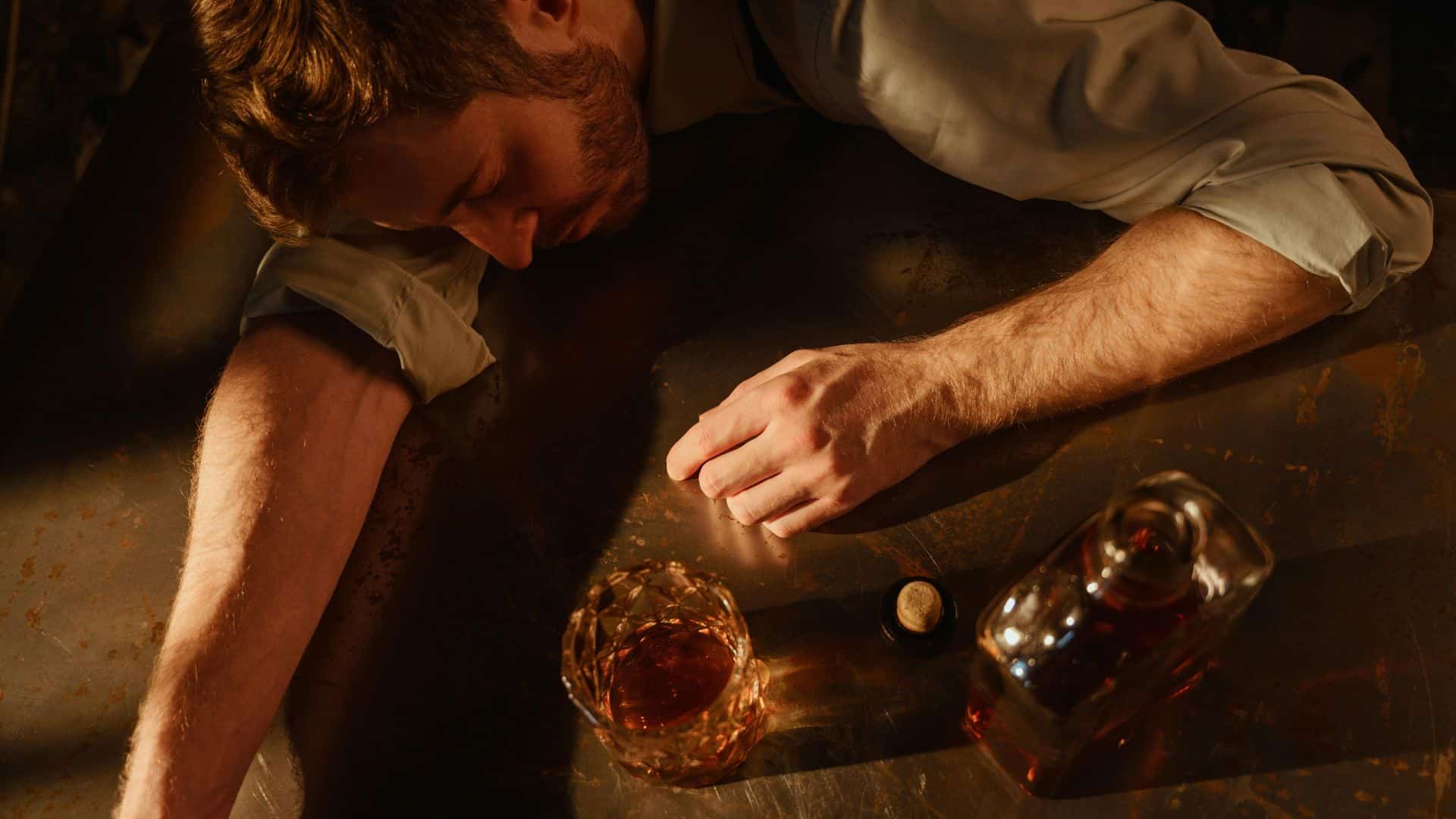
Most people notice the short-term effects first: slower reactions, lowered inhibitions, and blurred judgment. What many do not see right away is what happens beneath the surface. Alcohol changes how brain cells communicate and interferes with the brain’s communication pathways, affecting areas responsible for balance, memory, speech, and judgment, according to the National Institute on Alcohol Abuse and Alcoholism.

Over time, repeated drinking can reshape the brain’s chemistry, making it harder to manage stress, emotions, and decision-making without alcohol. This is how casual drinking can slowly turn into dependence and even alcohol use disorder. Understanding your brain on alcohol is not about fear; it is about clarity. When you understand what alcohol does inside the body, you can make informed choices and recognize when support may be needed.


Our Alcohol Addiction Treatment Centers

Seek professional consultation. For personalized support and guidance.

What Alcohol Can Do to Your Health?

Alcohol affects far more than mood or behavior. It places strain on multiple organs, especially when use becomes frequent or heavy. For a deeper overview of health impacts, explore this guide on the effects of alcohol abuse from The Hope House.

The liver processes alcohol, leading to fatty liver, inflammation, and cirrhosis over time. Research links alcohol to higher risk of cancers like breast, liver, and colorectal, while heavy use raises blood pressure, irregular heart rhythms, and weakens immunity. The effects build gradually with alcohol misuse.

How Does Alcohol Affect the Brain

What Are the Effects of Alcohol in Your Body?

Alcohol consumption can have far-reaching effects on the body, impacting various organs and systems. Ingesting alcohol begins a cascade of physiological responses, leading to both short-term and long-term consequences.

  • Brain: Alcohol slows down thinking and makes coordination and judgment worse.
  • Heart: Too much alcohol can raise blood pressure and cause heart problems.
  • Liver: Alcohol hurts the liver, leading to sickness and damage.
  • Stomach and Intestines: Drinking alcohol can make the stomach and intestines inflamed and cause ulcers.
  • Immune System: Drinking too much weakens the body’s defense against sickness.
  • Hormones: Alcohol can mess up hormone levels and cause sexual and menstrual problems.
  • Reproduction: Drinking a lot can make it harder to have babies and increase the risk of problems during pregnancy.
  • Bones: Alcohol makes it harder for bones to stay strong, leading to easier breaks.
  • Mental Health: Drinking too much alcohol can make mental health problems worse.

Join support groups like Alcoholics Anonymous. For encouragement and camaraderie.

Your Brain on Alcohol

Your brain on alcohol operates differently than your sober brain. Alcohol increases the effect of calming chemicals like GABA while suppressing stimulating ones, which is why people feel relaxed at first. But the brain adapts. Over time, it reduces its own natural calming signals to compensate.​

This adjustment leads to tolerance. A person needs more alcohol to feel the same effect. If drinking continues regularly, the brain may begin to rely on alcohol to maintain balance. Without it, symptoms like irritability, anxiety, restlessness, or sleep problems may appear. This is dependence and can progress into alcohol use disorder.

Chronic alcohol misuse can also affect memory and decision-making areas of the brain, making it harder to stop drinking even when consequences become clear.

Drinking While Driving

Drinking while driving remains one of the most dangerous outcomes of alcohol misuse.

Alcohol slows reaction time and reduces awareness of surroundings. Even small amounts can impair depth perception and coordination. As blood alcohol levels rise, the risk of accidents increases significantly, which is why binge or heavy drinking is closely linked with motor vehicle crashes in public health data.

Choosing not to drive after drinking protects not only the driver but everyone else on the road.

Explore therapy options. To address underlying psychological factors.

How Much is Too Much Alcohol

How much is too much alcohol depends on many factors, including body weight, health status, and genetics. However, general guidelines suggest limiting intake. Public health recommendations from the U.S. Office of Disease Prevention and Health Promotion advise that if adults choose to drink, they should do so in moderation—up to one drink per day for women and up to two per day for men.​

For women, that typically means no more than one drink per day. For men, no more than two. Binge drinking, defined as four drinks for women or five for men in a short period, greatly increases risk of injury, alcohol poisoning, and long-term health problems.

If drinking becomes frequent, difficult to control, or used to cope with stress, that may signal alcohol misuse rather than moderate use.

Alcohol Misuse and Its Effects

Alcohol misuse can have profound side effects on both physical and mental health, leading to a range of detrimental consequences. Here are some key points outlining the effects of alcohol misuse:

  • Physical Health: Drinking too much alcohol can harm important organs like the liver, causing sicknesses like fatty liver, hepatitis, and cirrhosis. It can also make it easier to get sick by weakening the body’s defenses.
  • Mental Health: Drinking too much alcohol is linked to feeling sad, worried, and having trouble thinking clearly. It can make existing mental health problems worse and make it hard to get better.
  • Social and Behavioral Impact: Drinking too much alcohol can make relationships difficult, cause money problems, and lead to dangerous actions like driving when drunk or fighting with others.
  • Work and School Performance: Drinking too much alcohol can make it hard to think and concentrate, which can make it tough to do well at work or in school. This might even make it hard to reach goals for your job or education.
  • Legal Consequences: If you misuse alcohol, especially by doing illegal things like driving drunk, you might get in trouble with the law. This could mean paying fines, losing your license, or even going to jail.
  • Addiction: Drinking too much alcohol over time can make you really want it all the time, even when it’s causing problems. It can become hard to control how much you drink, which can be harmful to your health and life.
  • Family Relationships: Drinking too much alcohol can cause fights and sadness in families, leading to problems getting along and feeling supported.

Restore Brain Health from Alcohol Damage

Alcohol disrupts brain communication pathways, slowing judgment, coordination, and impulse control. It boosts calming chemicals initially but forces the brain to adapt, reducing natural calming signals over time. This creates tolerance—needing more alcohol for the same effect—and dependence, where withdrawal brings anxiety, irritability, and sleep issues. See effects of alcohol abuse.

Chronic use damages memory and decision-making regions, making quitting harder despite clear consequences. The Hope House provides evidence-based treatment to reverse these changes. At The Hope House, get personalized alcohol recovery support and brain health restoration.

How Does Alcohol Affect the Brain

Educate yourself about alcohol's effects. For informed decision-making and healing.