
Does Alcohol Cause Inflammation? What You Need to Know

Medical Providers:
Dr. Michael Vines, MD
Alex Spritzer, FNP, CARN-AP, PMHNP
Clinical Providers:
Natalie Foster, LPC-S, MS
Last Updated: January 6, 2026

Alcohol is everywhere—from dinner parties to happy hours, it’s woven into our social lives. In the U.S. alone, about 215.6 million adults have had a drink at some point. But here’s the thing: while it might be popular, there’s a growing conversation about what it’s actually doing to our bodies, especially when it comes to inflammation.

We know inflammation is the body’s way of protecting itself, kind of like an internal alarm system. But when that alarm gets stuck in the “on” position, what we call chronic inflammation, it can lead to serious long-term issues like heart disease and autoimmune disorders. So, does alcohol cause inflammation? The short answer is yes, and understanding how it happens is key to protecting your health.


Our Alcohol Addiction Treatment Centers

Reclaim your life from alcohol addiction. Rewrite your story today.

How Does Alcohol Cause Inflammation?

Alcohol has been linked to all sorts of health effects, both good and bad, but inflammation is one that’s getting attention lately. You might be wondering, “Does drinking alcohol cause inflammation, and if so, how does that even work?”

Inflammation is your body’s natural response to injury or infection. Redness, swelling, heat, pain. It’s usually a good thing because it helps your immune system and heal tissue. But when it becomes chronic, that’s where the trouble starts.

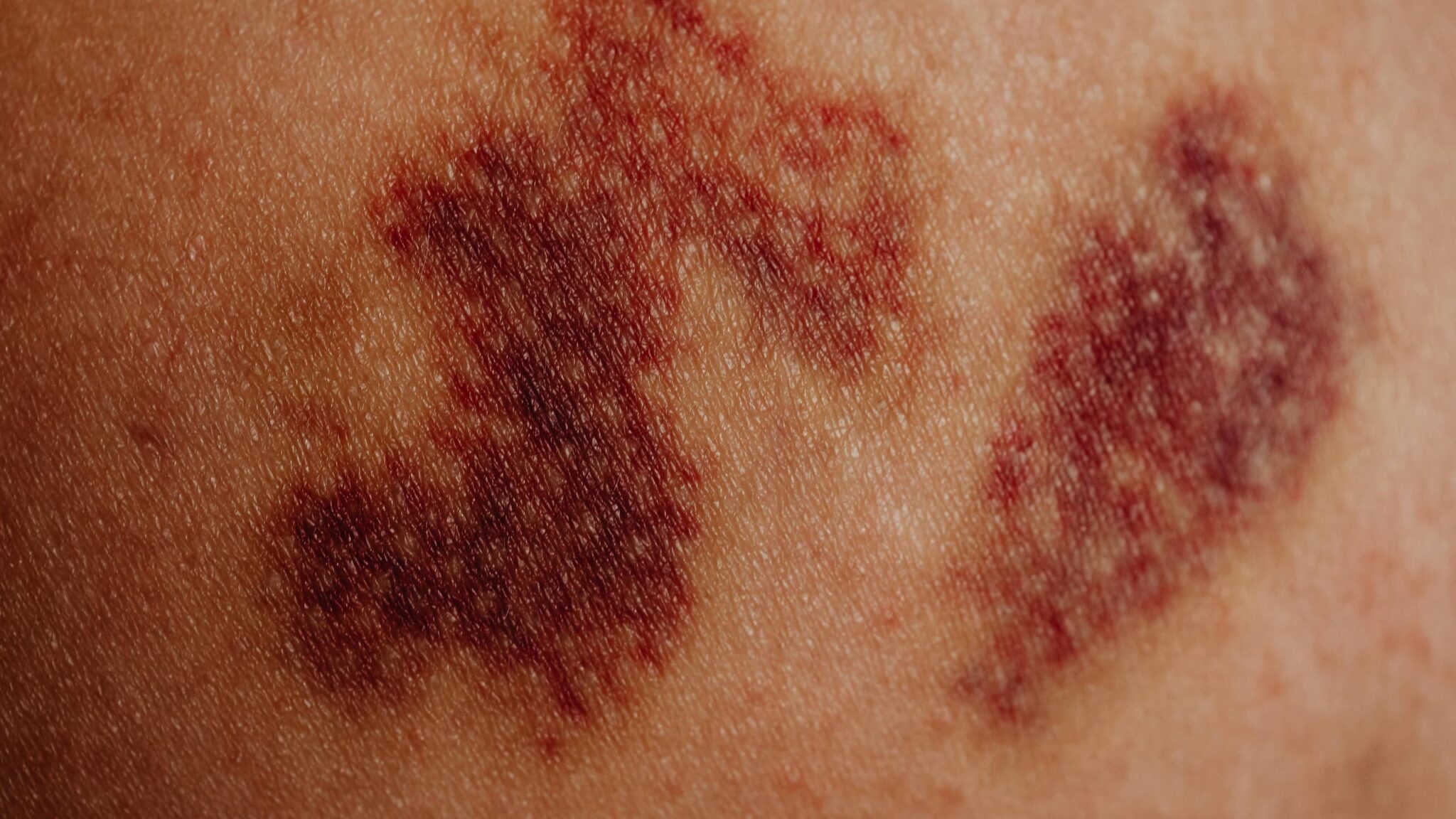
From what we’ve seen, excessive or chronic drinking can trigger inflammation even if you aren’t injured or sick. Alcohol disrupts your immune system’s balance, causing it to pump out inflammatory cytokines and activate immune cells when it shouldn’t. This can show up as swelling, redness, and pain you can’t quite explain.

Here’s exactly how alcohol messes with your system:

  • Producing toxic byproducts: When your body breaks down alcohol, it creates toxic compounds that damage your tissues. Your liver takes the biggest hit, which can lead to serious conditions like alcoholic hepatitis or liver damage.
  • Disrupting your gut: Alcohol throws off the balance of good and bad bacteria in your gut. This can lead to intestinal inflammation, often called “leaky gut syndrome,” where toxins leak into your bloodstream.
  • Causing oxidative stress: Metabolizing alcohol creates reactive oxygen species (ROS), which creates an imbalance between harmful free radicals and helpful antioxidants. This oxidative stress is a major player in developing heart disease, brain damage, and cancer.

does alcohol cause inflammation

Say yes to a life without alcohol. Achieve long-term sobriety at The Hope House.

Symptoms of Inflammation

Inflammation can look different depending on where it’s happening and what’s causing it. Acute inflammation hits fast and usually doesn’t last long.

You might notice things like:

  • Redness and swelling (ever seen an alcoholic nose? )
  • Pain or general discomfort
  • Stiffness or trouble moving a joint
  • Fever
  • Headaches or migraines
  • Digestive issues
  • Respiratory stuff like coughing or feeling short of breath

On the flip side, chronic inflammation sticks around and can quietly damage your tissues over time. This is the type of inflammation that contributes to long-term diseases.

Common symptoms of this slower burn include:

  • Feeling tired all the time (chronic fatigue)
  • Joint pain that won’t quit
  • Skin problems or allergies popping up
  • Unexplained weight changes
  • Constant bloating or constipation
  • Mental health struggles like anxiety and depression
  • Insomnia

How To Get Rid of Inflammation From Alcohol

The most effective way to cut down inflammation from alcohol is straightforward: drink less or stop completely. But we know that’s a big step. If you’re looking to help your body heal, adopting a healthier lifestyle is the way to go.

Here are some strategies that can help reduce inflammation:

  • Hydrate: Alcohol dehydrates you, so drinking plenty of water is non-negotiable.
  • Fix your diet: Focus on anti-inflammatory foods. Nutrition plays a huge role in recovery.
  • Move your body: Regular exercise helps lower inflammation markers.
  • Manage stress: Stress makes inflammation worse, so techniques like mindfulness therapy in rehab can be a game-changer.
  • Prioritize sleep: Your body heals when you sleep, so make sure you’re getting enough shut-eye.

Everyone deserves a second chance. Let’s start yours today.

Other Effects of Alcohol on the Body

Aside from just inflammation, alcohol impacts your body in a lot of other ways. Since it’s a central nervous system depressant, it messes with your judgment, coordination, and reaction time.

In the short term, you might deal with:

  • Dehydration
  • Nausea and vomiting
  • Irregular heart rhythm
  • High blood pressure

But it doesn’t stop there. Alcohol affects your behavior too, making risky choices, like driving under the influence, more likely. It can strain your relationships, hurt your work performance, and lead to social isolation.

Then there’s binge drinking. This is when you drink a large amount in a short time, spiking your BAC to 0.08 or higher. This kind of drinking puts massive stress on your body and significantly raises your health risks.

How Long Do The Effects of Alcohol Last?

How long does alcohol stay in your system? It depends on how much you drank, your tolerance, your metabolism, and even if you ate beforehand. Generally, your body processes about one standard drink per hour. But everyone is different—age, weight, and gender all play a role.

Here’s what matters: the effects of alcohol on inflammation and your organs can last way longer than the buzz does. Chronic alcohol abuse can lead to sustained inflammation and damage that doesn’t just go away overnight. Sometimes, you need professional medical help to reverse it.

Your best days are ahead. Choose recovery and healing.

Finding Alcohol Addiction Treatment

If you or someone you care about is struggling with alcohol, getting professional help is important.

There are a lot of options out there, so you can find what fits your needs:

  • Inpatient Rehabilitation: This is residential care where you live at the facility. It offers intensive therapy and 24/7 medical support in a structured environment.
  • Residential alcohol rehab is often the most effective route for severe cases.
  • Outpatient Programs: If you can’t commit to living at a center, intensive outpatient programs offer flexibility while still providing therapy and support.
  • Medication-Assisted Treatment (MAT): Medications can help reduce cravings and manage withdrawal symptoms, making the process a lot smoother.
  • Support Groups: Programs like AA give you peer support and accountability, which can make a huge difference.
  • Therapy: Individual counseling helps you dig into the root causes of your addiction and build coping skills.

Our luxury rehab centers in Scottsdale, Arizona are designed to help you on this journey. Our team of specialists is here to provide comprehensive treatment while keeping you safe and comfortable.

Don’t hesitate to reach out. It takes courage to ask for help, but you can absolutely do this.

does alcohol cause inflammation

Recovery is just a call away. Get help and support at The Hope House.