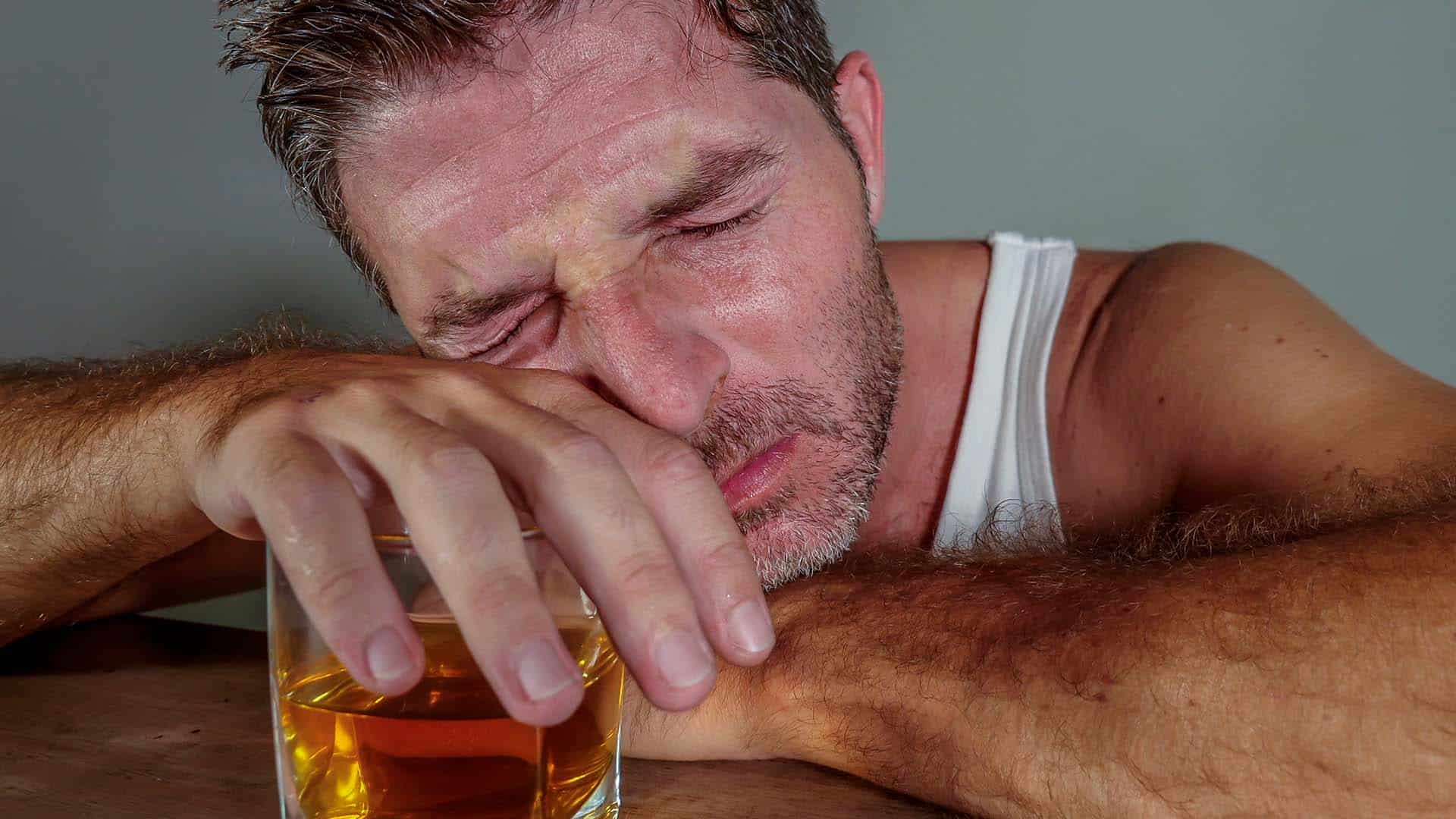

Alcoholic Face: Redness, Puffiness & Aging Effects

Medical Providers:
Dr. Michael Vines, MD
Alex Spritzer, FNP, CARN-AP, PMHNP
Clinical Providers:
Natalie Foster, LPC-S, MS
Last Updated: February 9, 2026

Alcoholic Face

For many people, alcohol leaves its mark quietly at first. A face that looks more swollen than it used to. Redness that lingers longer. Skin that seems tired no matter how much rest you get. These changes are easy to dismiss, but over time, they can become harder to ignore. A 2017 study of 82,737 women found heavy alcohol intake (≥30g/day) increased rosacea risk by 53%, with white wine showing the strongest association (up to 49% higher risk for frequent drinkers).

An “alcoholic face” is not a diagnosis. It is a pattern of visible changes that often appear when drinking becomes frequent or heavy. Understanding what these signs look like can help connect outward changes with what may be happening internally and encourage earlier conversations about health, support, and recovery.


Our Alcohol Addiction Treatment Programs

Take action towards a sober life. Reach out to us now to get started!

What Does Alcohol Do to You?

Alcohol affects nearly every system in the body. In the short term, it slows reaction time, lowers inhibition, and disrupts coordination. With repeated use, those effects extend further.

Sleep becomes fragmented. Hormones fluctuate. Nutrients are absorbed less efficiently. The liver works harder to process alcohol, and when that workload becomes constant, inflammation increases throughout the body.

Over time, these internal changes show up externally. Circulation slows. Fluid retention increases. Skin repair becomes less efficient. The face often reflects these shifts before more serious symptoms send someone to a doctor.

Alcoholic Face

Is Alcohol Addictive?

Yes. Alcohol is addictive. Regular drinking changes how the brain processes reward and stress. Over time, the brain begins to expect alcohol to regulate mood, sleep, or anxiety. As tolerance builds, people often drink more to feel the same effects.

When alcohol use stops suddenly, withdrawal symptoms can appear. These may include shakiness, sweating, nausea, anxiety, irritability, or difficulty sleeping. According to recent national estimates, tens of millions of adults in the U.S. meet criteria for alcohol use disorder.

Addiction does not happen overnight, but once established, it is difficult to reverse without support.

Seek help and find hope. Contact us today to begin your recovery!

How to Spot an Alcoholic Face?

Changes linked to long-term drinking often develop gradually. Some are subtle at first. Others become more pronounced with time.

  • Redness (Facial Flushing): Persistent redness across the cheeks, nose, or forehead is common. Alcohol causes blood vessels near the skin to expand. With repeated exposure, they may stop returning to normal size.
  • Puffiness and Swelling: Alcohol promotes fluid retention and inflammation. Swelling around the eyes and cheeks is especially noticeable after heavy or frequent drinking.
  • Broken Capillaries (Spider Veins): Small blood vessels can weaken and rupture, leaving visible red or purple lines, often around the nose and upper cheeks.
  • Dryness and Dehydration: Alcohol dehydrates the body. Skin may appear dull, flaky, or less elastic, making fine lines more visible.
  • Jaundice: In advanced cases, yellowing of the skin or eyes may appear. This is a sign of liver stress and requires immediate medical attention.
  • Premature Aging: Alcohol accelerates collagen breakdown, contributing to sagging skin and deeper wrinkles earlier than expected.
  • Pale or Bloated Appearance: Poor circulation and nutritional deficiencies can leave the face looking unusually pale, swollen, or uneven in tone.

These signs do not confirm addiction on their own, but together, they often reflect sustained alcohol strain on the body.

Start your recovery journey today. Reach out to us for support!

Effects of Alcohol on the Face

Alcohol affects facial appearance through a combination of dehydration, inflammation, and impaired circulation.

  • Facial Redness and Flushing: Repeated vessel dilation can lead to long-lasting redness that does not fade when sober.
  • Swollen or Puffy Appearance: Fluid imbalance contributes to facial swelling, especially in the morning.
  • Dry, Flaky Skin: Loss of hydration reduces skin resilience and worsens irritation.
  • Inflammation and Sensitivity: Alcohol can intensify skin conditions such as rosacea and increase sensitivity.
  • Accelerated Aging Signs: Oxidative stress damages skin cells, speeding visible aging.

For many people, these effects improve gradually once drinking stops and the body begins to heal.

Understanding these effects can highlight the impact of alcohol on facial appearance and serve as a motivation to make healthier lifestyle choices.

Alcoholism Rehab Near Me

Addressing the visible effects of alcohol starts with addressing alcohol use itself. Recovery gives the body time to restore balance, which often leads to reduced swelling, improved skin tone, and healthier circulation.

At The Hope House, treatment focuses on more than sobriety alone. Clients receive medical oversight, therapy, nutritional guidance, and long-term recovery planning. As physical health improves, many people notice changes in their appearance that reinforce their commitment to recovery.

If alcohol has begun affecting your health or appearance, our Scottsdale-based programs are here to help.

Alcoholic Face

Unlock the potential of collaborative healthcare. Get insights by listening to our podcast today.