
Binge Drinking: Risks, Signs, and Next Steps

Medical Providers:
Dr. Michael Vines, MD
Alex Spritzer, FNP, CARN-AP, PMHNP
Clinical Providers:
Natalie Foster, LPC-S, MS
Last Updated: February 1, 2026

Binge drinking is one of the most common patterns of risky alcohol use we see, and it often hides in plain sight. A lot of people do not think of it as “a real problem” because it is not daily drinking. But the health risks can stack up fast, especially when binges become a routine.

The most recent CDC data shows that 17% of U.S. adults report binge drinking. Among adults who binge drink, the median frequency is 1.8 binge occasions in the past month, and the top quarter report 4.4 occasions or more. In other words, “about one in six” is still a fair shorthand, but the pattern is not always occasional. It is often repeated.

Binge drinking does not automatically mean alcohol use disorder, but it can be an early warning sign. Learning what counts as binge drinking, why it is risky, and how to step in early can help you protect your health and stay in control.

Binge Drinking Definition

Binge drinking is defined as a period of drinking that brings a person’s blood alcohol concentration (BAC) to 0.08% or above. That threshold matters because it is the point where alcohol-related injury risk climbs quickly, and judgment, coordination, and reaction time drop in ways people often underestimate.

BAC is influenced by more than just “how many drinks.” Body size, sex, how fast you drink, food intake, medications, and tolerance all play a role. That is why two people can drink the same amount and feel very different.
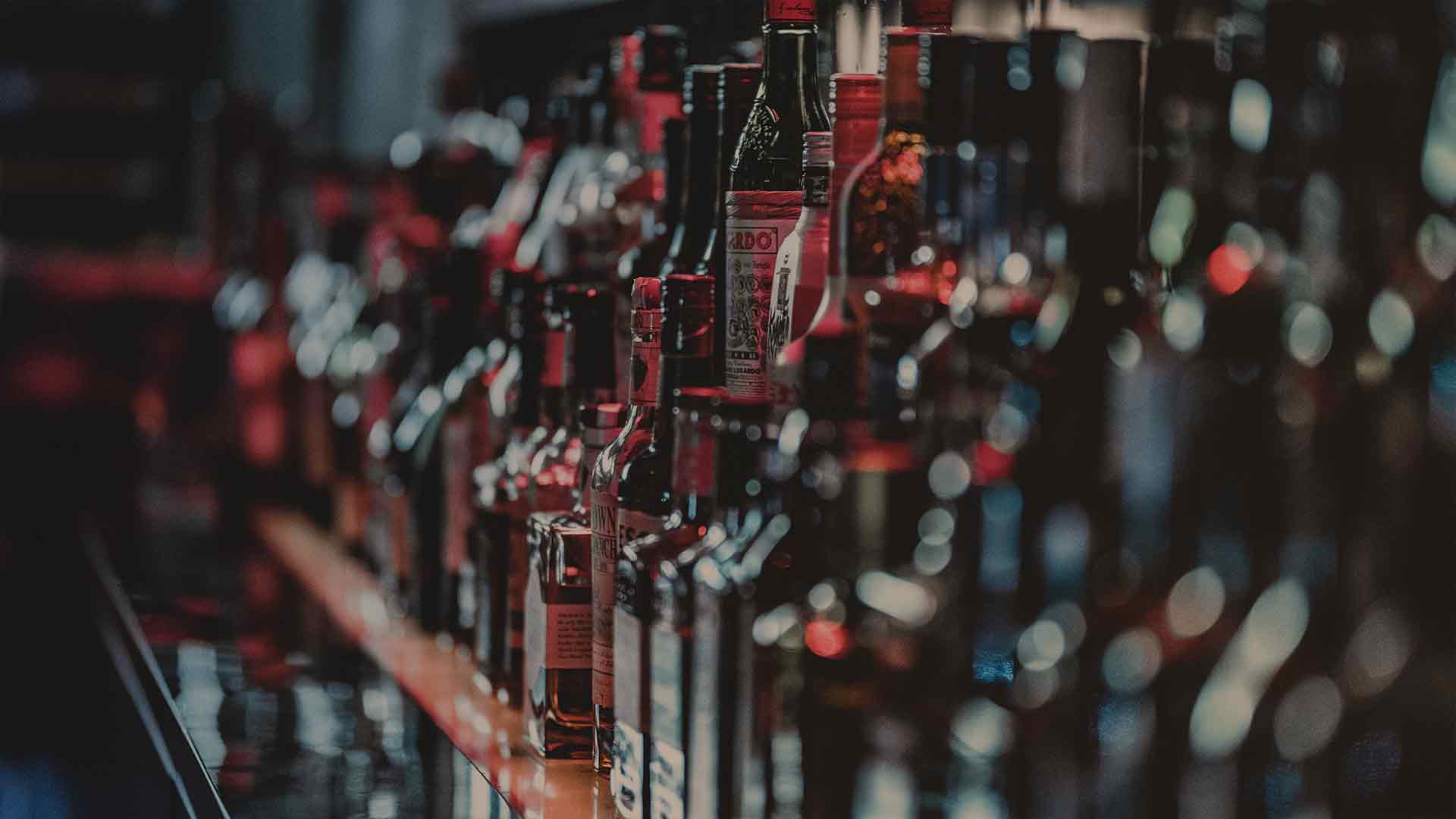
Binge Drinking

What is Binge Drinking?

Binge drinking generally occurs when a woman consumes 4 or more drinks in about 2 hours, or when a man consumes 5 or more drinks in the same amount of time. This pattern is widely used in public health because it reliably predicts reaching a BAC of 0.08% or higher for a typical adult.

To make this definition more practical, it helps to know what counts as “one drink” in the U.S. A standard drink contains about 0.6 fluid ounces (14 grams) of pure alcohol. That usually looks like:

  • One 12-ounce beer
  • One 5-ounce glass of wine
  • One 1.5-ounce shot of distilled liquor (including in many mixed drinks)

In real life, pours are often larger than standard. A tall beer, a heavy pour of wine, or a strong mixed drink can equal 1.5 to 2 standard drinks without you realizing it. That is one reason people “accidentally” binge.

Binge Drinking vs. Alcoholism

Despite how harmful binge drinking can be, most people who binge drink do not meet criteria for severe alcohol use disorder. This is an important distinction because it changes what kind of support may be most helpful.

Binge drinking is often episodic. It may happen at parties, celebrations, weekends, or during stressful stretches. Alcohol use disorder is different. It involves loss of control, continued use despite harm, cravings, tolerance, and withdrawal symptoms. It often affects daily functioning, relationships, work, and health.

That said, binge drinking can be a bridge between “social drinking” and a more entrenched pattern. When binges become frequent, when you need more alcohol to feel the same effect, or when drinking starts to feel like your main coping tool, that is a sign to take it seriously. Explore alcohol addiction treatment and rehab options that address early patterns before they progress.

Who Binge Drinks?

Binge drinking is most common among young adults, and it is more common in men than women. A CDC analysis found that binge drinking prevalence in men was about twice that of women. It also found binge drinking was higher among adults with higher household incomes (including $75,000 or more) and among those with higher levels of education.

Another important point: while ages 18 to 34 often show the highest prevalence, adults 35 and older account for a large share of total binge drinks consumed. That means binge drinking is not just a “college phase.” It shows up across adult life, sometimes under the radar.

Binge Drinking in College Students

College culture can normalize binge drinking, especially when it is tied to weekends, sports, Greek life, or stress relief. The problem is that short bursts of heavy drinking can lead to high-risk situations fast, even for students who feel “fine.”

The NIAAA reports that 1,519 college students ages 18 to 24 die each year from alcohol-related unintentional injuries, including motor vehicle crashes. Beyond deaths, alcohol is linked to assault, sexual assault, academic problems, and increased risk of developing alcohol use disorder.

Some students start to believe they are “high functioning” because they keep grades up or show up to work. But if drinking regularly leads to blackouts, missed responsibilities, risky sex, fights, injuries, or shame spirals the next day, it is not harmless. It is a pattern worth addressing early. Learn to recognize signs of a functioning alcoholic that may appear in high-achieving environments.

Binge Drinking Side Effects

Binge drinking can affect nearly every organ system. Even when it does not feel serious in the moment, repeated binges increase health risks over time.

Some common health consequences associated with heavy and repeated alcohol use include:

  • Increased risk of liver problems
  • High blood pressure
  • Increased risk of stroke
  • Digestive problems
  • Increased risk of cancer

You may also notice short-term effects that people dismiss as “normal,” such as poor sleep, anxiety spikes the next day, acid reflux, injuries, memory gaps, or mood swings. Those are not just annoyances. They are signals your body is under strain.

Why is Binge Drinking Dangerous?

Drinking excessive amounts of alcohol in a short period of time raises the risk of alcohol poisoning and injury immediately. It can also trigger dangerous heart rhythm changes, elevate blood pressure, and worsen underlying medical conditions.

This binge pattern also increases the chance of high-risk decisions.

Some of the most common outcomes include:

  • Unintentional injuries due to car crashes, falls, and accidents
  • Alcohol poisoning
  • Higher risk of violence, including physical and sexual assault
  • Increased risk of sexually transmitted infections due to impaired judgment
  • Memory and learning problems, especially with repeated blackouts

On a broader level, the CDC estimates that about 178,000 people die from excessive alcohol use in the United States each year. That number includes more than just binge drinking, but binge drinking plays a major role in alcohol-related harm.

Regular binge drinking also raises the risk of developing alcohol use disorder. It is not guaranteed, but the pattern can shift gradually until it feels harder to control. Understand how long alcohol withdrawal can last if dependence develops.

How to Stop Binge Drinking

If you or someone you love is drinking heavily on a regular basis and you are worried it may evolve into something more serious, there are practical steps you can take now.

Here are three that often work when you apply them consistently:

  1. Create a Plan: Planning ahead helps you avoid spontaneous nights that turn into binges. You might decide you only drink on certain days, set a firm limit (for example, 2 to 3 drinks), and choose a cutoff time. It also helps to plan how you will get home, what you will drink first, and what you will say if someone pushes another round.
  2. Tell your Family and Friends: Letting people in can reduce the pressure to “keep up.” It also creates accountability. The right people will support your plan, and some may even join you. If your social circle makes it hard to cut back, that is useful information. You may need new routines or different environments for a while.
  3. Ask for Help: Sometimes the pattern is more serious than it looks from the inside. If you keep breaking promises to yourself, if you binge to cope with stress or anxiety, or if you experience withdrawal symptoms when you stop, professional help can be the safest next step. Support groups like Alcoholics Anonymous can help. Inpatient or outpatient treatment may be appropriate if alcohol use is escalating or causing harm.

Furthermore, if you believe drinking has already crossed into alcohol use disorder, professional help is often the most effective path forward. Many alcohol treatment facilities, like The Hope House, help people put alcohol down safely and rebuild a life that does not revolve around drinking.

At The Hope House, we work with clients who are dealing with alcohol addiction, binge drinking habits, and the underlying drivers that keep alcohol in the picture. Our luxury residential alcohol rehab programs in Scottsdale, Arizona use behavioral and experiential therapies designed to treat both the drinking pattern and the co-occurring mental health factors that can fuel it. We also offer medical detox for safe withdrawal when needed and follow our personalized addiction treatment philosophy focused on healing mind and body.

If you are looking for one of the best alcohol rehab centers in Arizona, look no further. Call The Hope House today.


Binge Drinking

Overcome Alcoholism Find Treatment Today