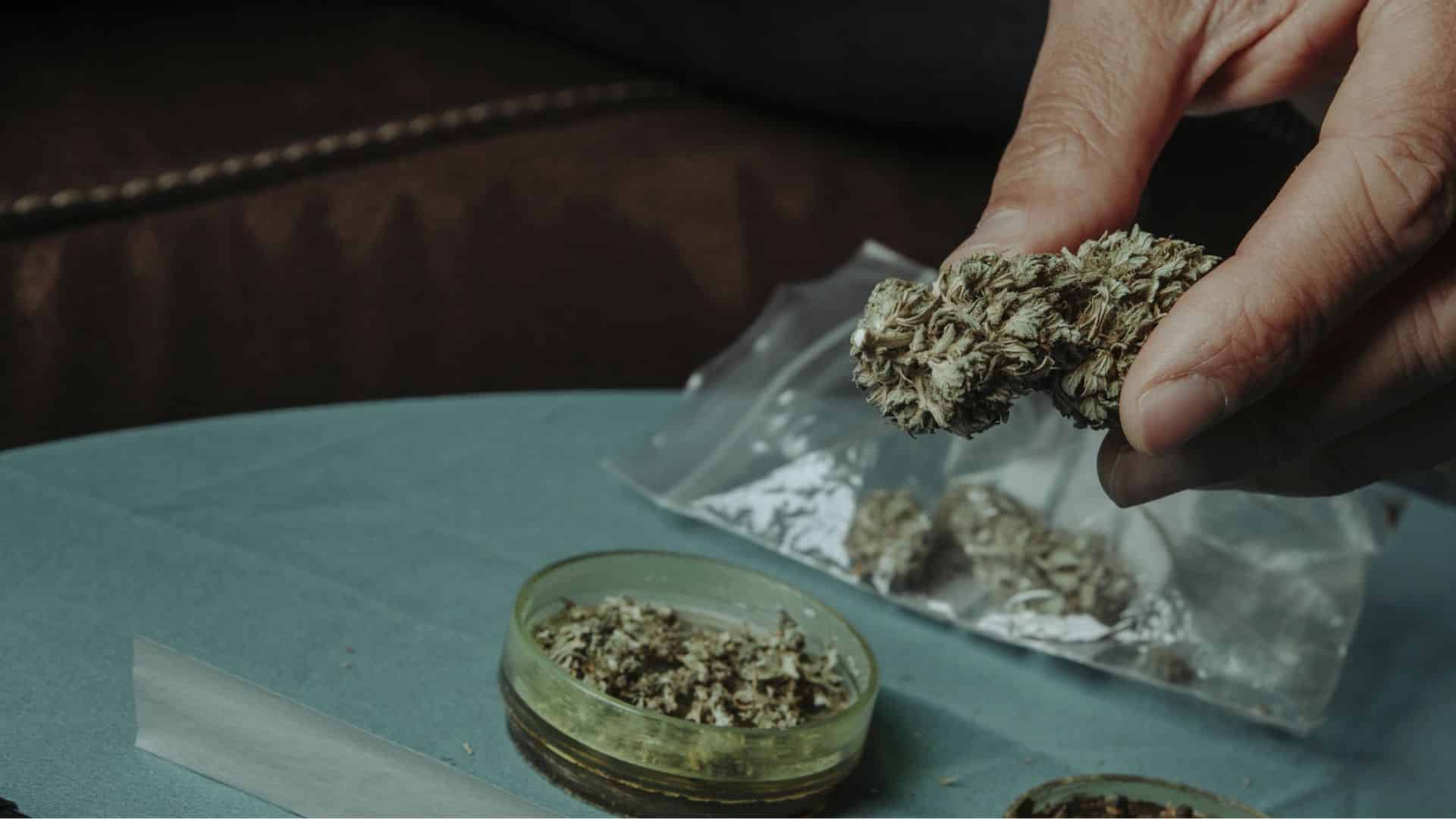

Sobriety is no longer defined by a single rulebook. As more people rethink their relationship with alcohol and drugs, new approaches to recovery have emerged. One of the most talked-about is California sober, especially as marijuana use among adults aged 19-30 has reached historic highs, with approximately 42% reporting past-year use in 2022 according to NIDA data.
So what does California sober mean in real life? For some, it’s a way to step away from alcohol and harder substances while still allowing limited cannabis use. For others, it’s a transitional phase between active addiction and full abstinence. And for many, it raises important questions about boundaries, relapse risk, and what recovery actually looks like. According to SAMHSA, recovery is a process of change through which individuals improve their health and wellness, live a self-directed life, and strive to reach their full potential.
This guide breaks down the California sober meaning, how it fits into modern sobriety, and when this approach may or may not support long-term addiction recovery.