
SSRI Addiction: Withdrawal Symptoms and Recovery Guide

Medical Providers:
Dr. Michael Vines, MD
Alex Spritzer, FNP, CARN-AP, PMHNP
Clinical Providers:
Natalie Foster, LPC-S, MS
Last Updated: February 5, 2026

SSRIs are widely prescribed and, for many people, genuinely helpful. They are often the first medication offered for depression, anxiety, and related conditions. Most individuals take them as directed and never experience serious problems. Still, in treatment settings, we see another side of SSRI use that is discussed far less. Some people feel unable to function without the medication. Others struggle when trying to reduce or stop, even when symptoms have improved. While SSRIs are not intoxicating drugs, dependence and misuse can develop in subtle ways.

According to the CDC, 11.4% of U.S. adults took prescription medication for depression in 2023, with women (15.3%) more than twice as likely as men (7.4%) to use antidepressants.


Our SSRI Addiction Treatment Programs

Take control of your future. Try our SSRI addiction treatment options.

What is an SSRI?

An SSRI, or Selective Serotonin Reuptake Inhibitor, is a type of prescription medication that affects serotonin activity in the brain. Serotonin plays a role in mood regulation, sleep, appetite, and emotional processing.

SSRIs work by slowing the reabsorption of serotonin between nerve cells. This increases serotonin availability over time, which can reduce symptoms of depression and anxiety for some individuals. These medications are not fast acting. It often takes several weeks before noticeable changes occur.

What is an SSRI Used for?

SSRIs are primarily prescribed for depression and anxiety disorders. They are also used for conditions such as obsessive-compulsive disorder, panic disorder, post-traumatic stress disorder, and certain mood-related symptoms. The specific medication and dose depend on individual response, side effects, and medical history.

Are SSRI Addictive?

SSRIs are not considered addictive in the traditional sense. They do not produce a high or cause drug-seeking behavior. However, physical dependence can still occur, particularly with long-term use.

Many people experience uncomfortable symptoms when SSRIs are stopped abruptly. These symptoms can include dizziness, irritability, anxiety, sleep disruption, and flu-like sensations. This reaction is often referred to as antidepressant discontinuation syndrome. Stopping or reducing SSRIs should always be done with medical guidance.

Break free from SSRI addiction. Schedule with our addiction specialists now.

SSRIs are generally safe when taken exactly as prescribed. Problems tend to arise when doses are altered without medical input or when medications are combined improperly.

photo of woman experiencing headache

photo of a man showing distress and agitation

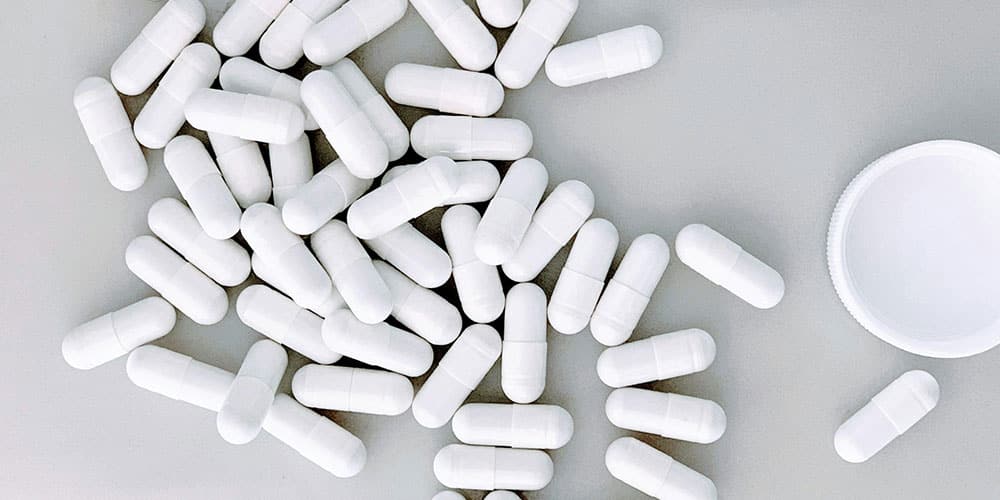
photo of white capsules in the table

Misuse can blunt the medication’s therapeutic effect, leaving symptoms harder to manage over time.

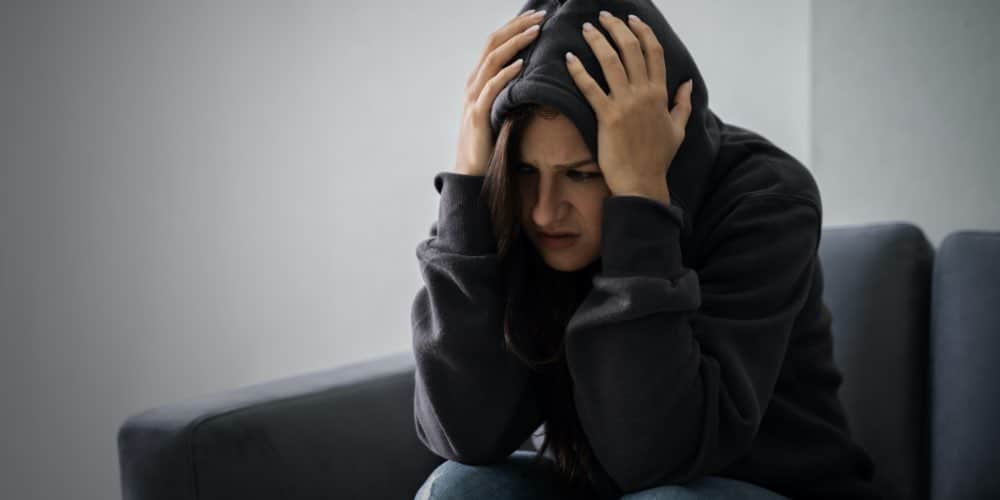
Woman With Hands On Head In Black Hoodie Struggling With Drug Dependence

Some individuals feel emotionally unable to cope without SSRIs, even when the original symptoms have stabilized.

photo of a person having problem on weight gain

Sexual dysfunction, weight changes, gastrointestinal issues, and emotional numbness may worsen with misuse.

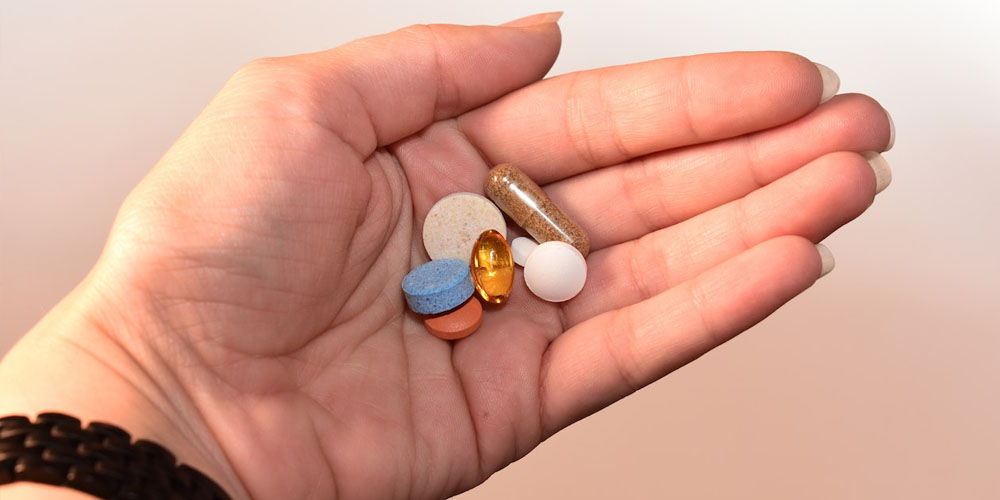
a hand holding a lot of medicines that can interfere with each other

Mixing SSRIs with alcohol or other drugs can complicate mental health symptoms and increase risk.

You're not alone in this battle. Call us for expert SSRI addiction treatment.

Selective Serotonin Reuptake Inhibitors (SSRIs) are a class of medications commonly prescribed to treat depression and anxiety disorders. While they share a common mechanism of action, there are various types of antidepressants including:

Start your journey to a drug-free life. Get our SSRI addiction treatment programs.

When used appropriately, SSRIs can support mental health recovery. Effective treatment involves regular follow-ups, honest symptom reporting, and adjustments as needed. Medication works best when paired with therapy and lifestyle support rather than used in isolation.

SSRI dependence often develops quietly. Many people seeking help are not misusing medication intentionally. They simply feel stuck and unsure how to move forward safely.

At The Hope House in Scottsdale, Arizona, we provide individualized care for people struggling with SSRI dependence, misuse, or complex mental health concerns. Our luxury residential rehab programs emphasize medical oversight, gradual adjustment, and long-term stability rather than abrupt discontinuation.

Our masters-level clinical team offers dual diagnosis care and trauma-informed therapy. Download our digital brochure or explore how to choose the best rehab center.

Reclaim your life from SSRI addiction. Reach to us now for professional help.

  • In the years 2015 to 2018, approximately 2% of adults in the United States reported using antidepressants in the last 30 days. Notably, more women (17.7%) used them compared to men (8.4%).
  • The percentage of people using antidepressants increased with age during this period, with 9% of adults aged 18–39, 14.4% among those aged 40–59, and 19.0% among those aged 60 and over.
  • In the last 30 days, the highest percentage of people using antidepressants was among non-Hispanic white adults, at 16.6%, while non-Hispanic black adults had a usage rate of 7.8%, Hispanic adults at 6.5%, and non-Hispanic Asian adults at 2.8%.