
Tapentadol Addiction: Risks, Symptoms & Treatment Guide

Medical Providers:
Dr. Michael Vines, MD
Alex Spritzer, FNP, CARN-AP, PMHNP
Clinical Providers:
Natalie Foster, LPC-S, MS
Last Updated: December 9, 2025

Tapentadol has become a widely used option for treating moderate to severe pain, especially when standard medications no longer provide enough relief. Although it can help patients manage conditions like neuropathic pain or post-surgical discomfort, it also carries a substantial risk when taken outside medical guidance.

Its opioid-like effects mean it can trigger dependence quickly, even in people who start with a legitimate prescription. This article explains how it works, why misuse develops, and the dangers that come with tapentadol addiction.


Our Tapentadol Addiction Treatment Centers

Struggling with Tapentadol addiction? The help you need is just a call away.

Tapentadol belongs to a class of opioid analgesics designed to target both pain perception and pain transmission. Many patients first encounter it under brand names like Nucynta or Nucynta ER, especially when their pain persists despite other medications. Unlike short-acting painkillers, extended-release offers a steady effect over roughly 12 hours, which is essential for people living with long-term or unrelenting pain.

What is in Tapentadol?

Tapentadol contains a single active opioid-like compound that influences several pathways within the central nervous system. By altering how pain signals are processed, the drug reduces the intensity of pain messages reaching the brain.

It is available in immediate-release and extended-release forms, with common doses—such as 100 mg—often used in chronic pain management. Because it has no active metabolites compared to other prescription opioids, it may be chosen for patients who cannot tolerate medications like morphine.

What is Tapentadol Used For?

Doctors prescribe tapentadol for pain relief when over-the-counter or weaker medications fail to help. It is often used for:

  • chronic back pain
  • diabetic neuropathy
  • severe musculoskeletal injurie
  • post-operative pai
  • pain from long-standing inflammatory conditions

While extended-release formulations are helpful for continuous pain control, they are not meant for rapid, short-term discomfort. Misunderstanding this distinction is one of the reasons abuse has increased in recent years, particularly among patients who begin taking higher doses to chase faster relief.

Tapentadol Mechanism of Action

Tapentadol works through a dual mechanism of action—something that sets it apart from many other narcotic pain medications. It activates mu-opioid receptors, which change the way the brain interprets pain, while also inhibiting norepinephrine reuptake, strengthening the body’s natural pain-modulating system.

This combination is effective, but also risky. The norepinephrine-inhibiting effect can influence heart rate, blood pressure, and alertness, while the opioid effect can slow breathing and impair judgment. When misused, these overlapping effects increase the risk of developing addiction.

Common effects may include dizziness, sedation, constipation, or difficulty breathing. People who use the drug over long periods—or take more than prescribed—often develop tolerance and eventually become drug-dependent.

Don’t let addiction define your future. Take the step towards healing today.

Tapentadol addiction does not happen overnight. It usually begins with slightly higher doses, shorter dosing intervals, or taking the medication for reasons unrelated to pain—such as avoiding stress or improving mood. Because it produces a mild sense of euphoria in some individuals, misuse can escalate rapidly.

Risk Factors of Tapentadol Dependence

a stressed young man is worried because he is using drugs

History of Substance Abuse

Individuals with past alcohol or opioid issues face a far higher risk of dependence.

person with her hand on her head

Mental Health Disorders

Anxiety, depression, or trauma can make tapentadol’s calming effects feel reinforcing.

woman taking pills from jar on hand

Prolonged Use Beyond Prescribed Period

Dependence tends to develop if the medication is used for weeks or months longer than intended.

White medication capsules

High Doses

Higher doses significantly increase the risk of addiction and life-threatening complications.

mixed use of drugs and alcohol

Combining with Other Substances

Alcohol, benzodiazepines, or other opioids sharply raise the danger of overdose.

Is Tapentadol Narcotic?

Yes. Tapentadol is legally classified as a Schedule II narcotic because of its ability to alter the central nervous system in a way similar to traditional opioids. Its classification reflects its high potential for misuse, physical dependence, and opioid overdose risk.

Every step towards recovery counts. Overcome substance abuse today.

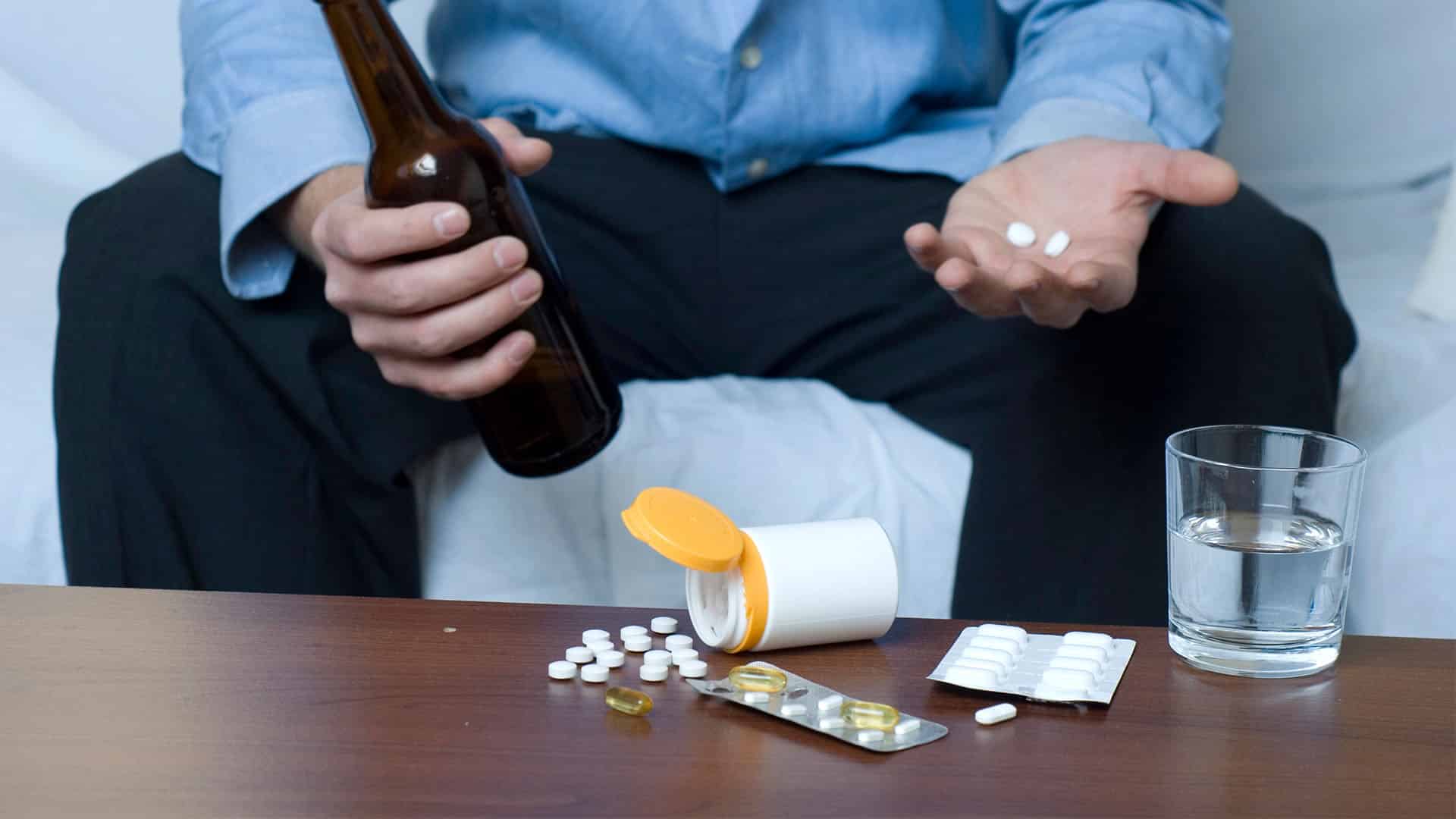
Tapentadol abuse can affect nearly every body system. Many complications occur when people take it with alcohol, antidepressants, or other sedatives—combinations that can be life-threatening.

Respiratory Depression

Tapentadol can severely slow breathing, especially at higher doses. Without immediate medical care, respiratory depression may lead to organ damage or death.

Opioid Overdose

Taking too much tapentadol—or combining it with other substances—can trigger a dangerous opioid overdose. Signs include pinpoint pupils, slowed breathing, and unconsciousness, requiring emergency treatment.

Central Nervous System Depression

Misuse can impair thinking, coordination, and awareness, making everyday activities like driving extremely hazardous.

Drug Interactions

Tapentadol interacts with MAO inhibitors, SSRIs, steroids, alcohol, and other opioids. These drug interactions can cause serotonin syndrome, adrenal suppression, spikes or drops in blood pressure, and other life-threatening responses.

Hormonal Imbalance

Long-term use can disrupt adrenal gland function, leading to weakness, fatigue, or hormonal instability over time.

You are stronger than your addiction. Start your journey towards a happier life.

Tapentadol and tramadol are often compared because both are prescription drug options for managing moderate pain. However, their effects differ.

Tapentadol primarily affects norepinephrine reuptake and opioid receptors.

Tramadol affects serotonin and norepinephrine and also produces active metabolites.

Tapentadol is generally considered stronger and often works faster for neuropathic pain. Many clinicians recommend it when tramadol no longer provides relief or causes intolerable side effects. However, because it is more potent, the risk of dependence, withdrawal symptoms, and opioid-induced complications can be higher.

Mixing either medication with alcohol or other depressants dramatically increases overdose risk.

The path to recovery starts with a single step. Begin your journey by reaching out

Recovery from tapentadol addiction typically requires professional support. Because withdrawal can include severe anxiety, sweating, nausea, and rebound pain, medical detox is often the safest first step. Some people experience significant symptoms for up to 14 days, especially if they used higher doses or combined tapentadol with other substances.

After detox, clients often enter therapy programs—such as cognitive behavioral therapy, trauma-informed counseling, or outpatient support. These programs help individuals understand their triggers, build coping skills, and prevent relapse.

People in Arizona, including those in Scottsdale or surrounding communities, have access to specialized opioid treatment programs that understand the complexities of abuse and opioid-induced dependence. Comprehensive support, from medical monitoring to long-term relapse prevention, plays a major role in sustained recovery.

Achieve lasting freedom. Reach out and learn how.

Tapentadol misuse forms part of the broader opioid crisis in the U.S. While tapentadol is not as commonly prescribed as hydrocodone or oxycodone, its misuse rate continues to rise.

These numbers highlight how easily a prescription drug can shift from helpful to harmful without proper oversight.

Find insights on collaborative healthcare. Listen to the podcast now.