Alcohol Abuse Why It's Addictive and How It's Diagnosed

Medical Providers:
Dr. Michael Vines, MD
Alex Spritzer, FNP, CARN-AP, PMHNP
Clinical Providers:
Natalie Foster, LPC-S, MS
Last Updated: March 16, 2026

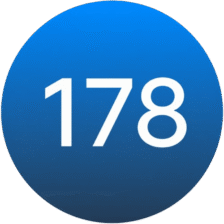
The CDC reports approximately 178,000 deaths from alcohol-related causes in the United States each year. Alcohol is the most widely used addictive substance in the country and the most socially normalized, which is part of what makes alcohol abuse so difficult to recognize and address.

Alcohol abuse is not defined by how much someone drinks. It is defined by the consequences of how they drink and by whether those consequences have stopped mattering.

Our Scottsdale Alcohol Abuse Treatment Centers

Alcohol abuse is treatable. Evidence-based care is available at The Hope House.

Question mark icon representing CIWA protocol assessment and alcohol withdrawal symptoms.

What is Alcohol?

Alcohol, specifically ethyl alcohol (ethanol), is a central nervous system depressant produced by the fermentation of sugars. It is the consumable form found in beer, wine, spirits, and malt liquor.

How alcohol affects the brain: Ethanol enhances the activity of GABA (the brain’s main inhibitory neurotransmitter) and suppresses glutamate (the main excitatory neurotransmitter). The combined effect slows neural activity, reducing inhibition, impairing coordination and judgment, and producing the sedating effects associated with intoxication.

The three types of alcohol:

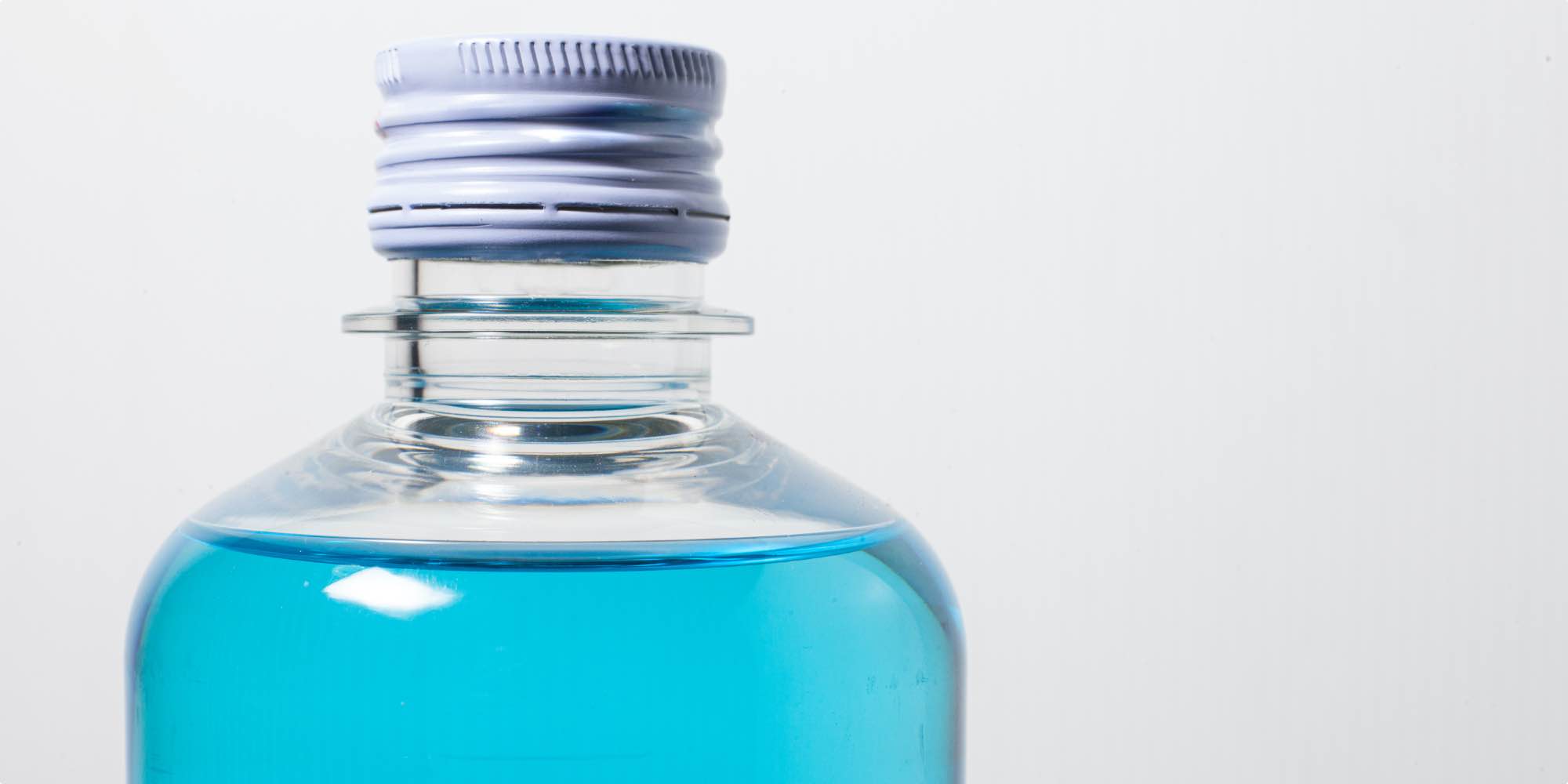
Bottle of isopropyl alcohol with a blue liquid, commonly used as an antiseptic, relevant to discussions on different types of alcohol and their applications.

Rubbing alcohol. Toxic if consumed

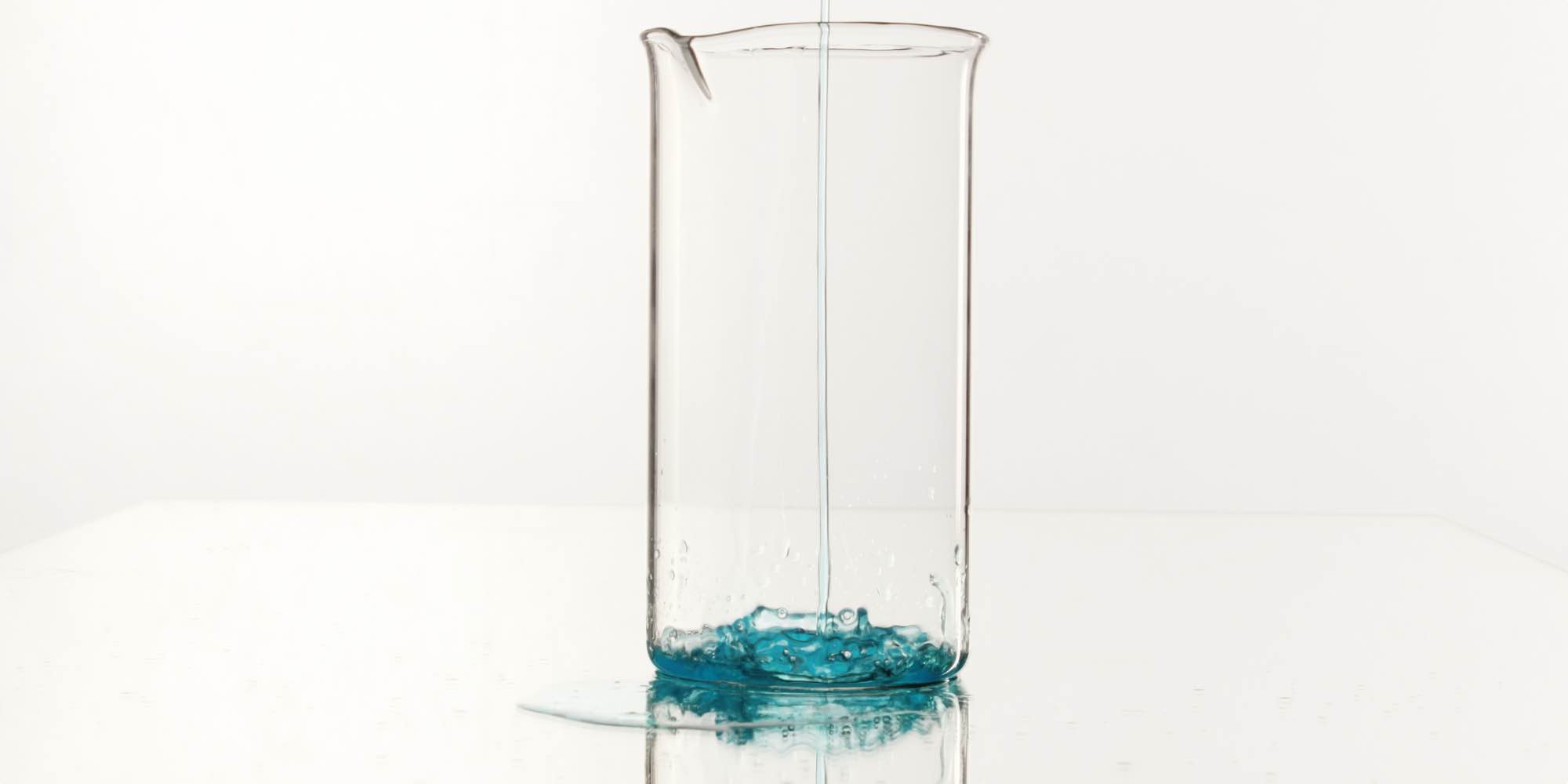
Container pouring blue liquid, representing methyl alcohol, in the context of alcohol types and substance use.

Industrial solvent. Toxic and causes blindness and death if consumed

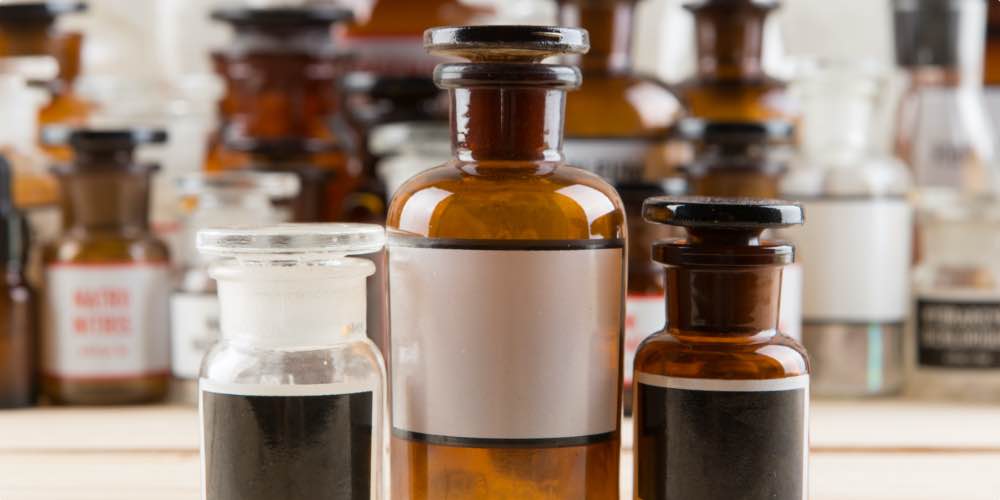
Group of bottles containing various types of alcohol, including ethyl alcohol, symbolizing alcoholic beverages and their diverse formulations.

The consumable form. Found in beer (~5% ABV), wine (~7–14% ABV), and distilled spirits (~40% ABV)

Question mark icon representing CIWA protocol assessment and alcohol withdrawal symptoms.

How Long Does Alcohol Stay in Your System?

The liver metabolizes alcohol at a fixed rate of approximately one standard drink per hour, regardless of how much water you drink, how much food you eat, or what else you do. There is no reliable way to speed up the process.

If alcohol is affecting your daily life, help is available. The Hope House is ready when you are.

Alcohol misuse falls on a spectrum. The CDC distinguishes three patterns:

Icon of a liquor bottle and glass representing alcohol abuse and addiction, relevant to discussions on diagnosing alcoholism and treatment options.

What Is Binge Drinking?

Binge drinking is defined as a pattern of drinking that brings blood alcohol concentration (BAC) to 0.08 g/dl or higher. For most adults, this means approximately four drinks for women or five drinks for men within about two hours.

The National Institute on Alcohol Abuse and Alcoholism (NIAAA) identifies binge drinking as the most common form of excessive drinking in the U.S., with approximately one in six adults reporting binge drinking.

Icon of a whiskey bottle and glass, representing alcohol consumption and its relevance to workplace alcoholism and addiction support.

What Is Alcohol Abuse?

Alcohol abuse refers to drinking in a way that increases the risk of harmful consequences such as impaired driving, risky behavior, or continued use despite negative effects, but without the full pattern of compulsive use and dependence that defines alcoholism.

Icon of two people discussing alcohol, with a speech bubble containing bottles, representing conversations about alcohol use and binge drinking.

What Is Alcoholism?

Alcoholism, clinically called alcohol use disorder (AUD), is a chronic medical condition characterized by compulsive alcohol use, loss of control over drinking, and negative emotional states when not drinking. It involves neurological changes similar to those in other substance use disorders.

Question mark icon representing CIWA protocol assessment and alcohol withdrawal symptoms.

What Causes Alcohol Addiction?

Alcohol addiction develops through the interaction of genetic predisposition, environmental exposure, and psychological vulnerability, and not through moral failure or lack of willpower.

DNA double helix icon representing genetic factors influencing Valium metabolism and addiction risk.

Genetic
Factors

Research consistently shows that approximately 50% of the risk for alcohol use disorder is inherited. While there is no single “alcoholism gene,” genetic variants affecting how the brain processes dopamine, how the liver metabolizes alcohol, and how strongly a person experiences alcohol’s rewarding effects all contribute to addiction risk.

A family history of alcohol use disorder significantly increases an individual’s lifetime risk.

Hand holding a small plant symbolizing environmental factors contributing to alcohol abuse and addiction.

Environmental
Factors

Early exposure to alcohol, trauma, adverse childhood experiences (ACEs), and high-stress environments all increase vulnerability to alcohol abuse. People who began drinking before age 15 are four times more likely to develop alcohol use disorder than those who begin at 21 or later.

The ACE (Adverse Childhood Experiences) assessment measures the cumulative impact of childhood trauma (abuse, neglect, household dysfunction) on adult health outcomes including substance abuse.

Icon of a human head with an exposed brain, symbolizing psychological factors in alcohol addiction and mental health issues related to alcohol abuse.

Psychological
Factors

Major depressive disorder, bipolar disorder, anxiety disorders, and PTSD all significantly increase alcohol abuse risk. Many people begin using alcohol to manage symptoms of untreated mental health conditions. This is a pattern called self-medication that worsens both the psychiatric condition and the alcohol problem over time.

Dual diagnosis treatment, when the psychiatric condition and alcohol use disorder are addressed simultaneously, produces significantly better outcomes than treating either in isolation.

Question mark icon representing CIWA protocol assessment and alcohol withdrawal symptoms.

Who Is Most Likely to Abuse Alcohol?

No single factor predicts alcohol abuse. But research identifies consistent patterns:

1. Biological Sex

Men are diagnosed with alcohol use disorder at higher rates (5.4% vs. lower rates in women). However, women develop alcohol-related medical complications more quickly and at lower consumption levels in a phenomenon called “telescoping.”

2. Age

Adults aged 18 to 29 have the highest rates of binge drinking and alcohol abuse. Among older adults, alcohol abuse is frequently underdiagnosed.

3. Ethnicity

Genetic and cultural background can influence both the risk of developing alcohol use disorder and how the body metabolizes alcohol, contributing to meaningful differences in prevalence rates across different population groups.

4. Co-occurring Mental Health Conditions

Approximately 30% of people with a major depressive disorder also have an alcohol use disorder. The correlation between anxiety disorders and alcohol abuse is similarly strong.

Understanding the cause is part of the treatment. The Hope House treats alcohol abuse and co-occurring mental health conditions together.

Question mark icon representing CIWA protocol assessment and alcohol withdrawal symptoms.

How Is Alcoholism Diagnosed?

The American Psychiatric Association’s DSM-5 defines alcohol use disorder based on 11 criteria. A diagnosis requires two or more within a 12-month period.

Group of medical professionals discussing alcohol addiction diagnosis and treatment options.

  1. Drinking more or for longer than intended
  2. Persistent desire or failed efforts to cut back
  3. Spending significant time drinking or recovering
  4. Cravings or strong urges to drink
  5. Failure to meet obligations at work, school, or home
  6. Continued drinking despite social or interpersonal problems
  7. Abandoning important activities because of drinking
  8. Using alcohol in physically hazardous situations
  9. Continuing despite a known physical or psychological problem caused by alcohol
  10. Tolerance (needing more for the same effect)
  11. Withdrawal (physical symptoms when stopping)
Man completing a self-evaluation in a notebook to assess alcohol use disorder, focusing on personal reflection and diagnosis.

  • 2 to 3 criteria: Mild AUD
  • 4 to 5 criteria: Moderate AUD
  • 6 or more criteria: Severe AUD

thousand deaths annually

from alcohol-related causes (CDC)

million adults

in the U.S. have alcohol use disorder

of U.S. children

live with a parent who has alcohol problems

of college students

meet diagnostic criteria for AUD

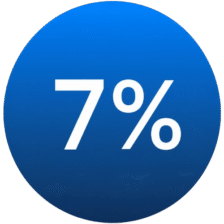
of people

with AUD receive treatment in any given year

Alcohol Abuse Treatment Near Me

Alcohol use disorder responds well to evidence-based treatment. Medical detox addresses physical dependence; behavioral therapy and medication address the underlying disorder.
Medications for alcohol use disorder:

icon depicting hallucinations

Naltrexone (Vivitrol)

Reduces alcohol cravings and blocks the reward response to alcohol. Available as a monthly injection.

addiction can cause unpleasant thoughts or feelings of anxiety

Acamprosate (Campral)

Reduces the anxiety and discomfort of early sobriety by stabilizing neurological activity disrupted by chronic alcohol use.

icon depicting panic attack which is one of the symptoms of withdrawal

Disulfiram (Antabuse)

Creates an unpleasant physical reaction when alcohol is consumed. Used as a deterrent in motivated patients.

The Hope House provides residential treatment for alcohol use disorder in Scottsdale, Arizona. For medical detox, Scottsdale Detox provides 24/7 medically supervised alcohol withdrawal management. For outpatient care, Arizona IOP provides intensive outpatient programming.

Call (480) 447-4252 to speak with an admissions specialist, available 24/7.
The Hope House 28901 N 114th St. Scottsdale, AZ 85262 contact@thehopehouse.com

Alcohol abuse is not the end of the story. The Hope House helps people rewrite what comes next.