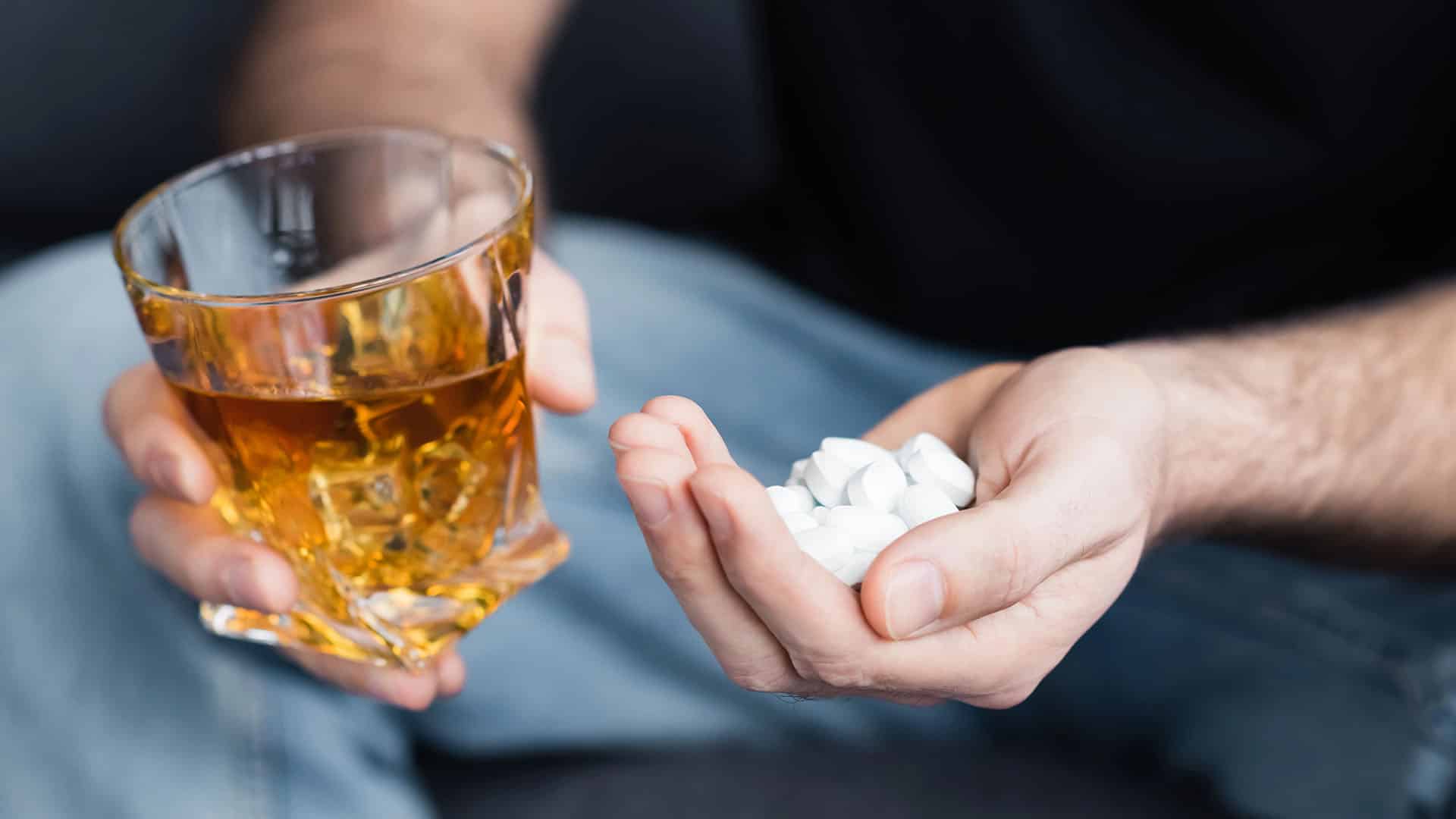

Melatonin and Alcohol: Mixing Melatonin and Alcohol

Medical Providers:
Dr. Michael Vines, MD
Alex Spritzer, FNP, CARN-AP, PMHNP
Clinical Providers:
Natalie Foster, LPC-S, MS
Last Updated: February 24, 2026

Melatonin and Alcohol

Melatonin supplements help regulate sleep, while alcohol is used to unwind. Both cause drowsiness, leading some to assume they’re safe together. However, alcohol disrupts natural melatonin production and sleep architecture. An NIH study found evening alcohol suppresses salivary melatonin by 15-19% in young adults, worsening sleep quality.​

At The Hope House, we counsel clients who used alcohol as a sleep aid, only to face poorer rest and daytime fatigue. The interaction leads to fragmented REM sleep, increased awakenings, and reduced sleep efficiency. Choosing safer sleep strategies prevents this cycle and supports recovery.


Our Addiction Treatment Centers

Thinking of combining melatonin and alcohol? Learn the dangers and make informed choices!

What is Alcohol?

Alcohol, or ethanol, is a depressant. It slows communication between brain cells. That slowdown can feel calming at first. Muscles relax. Thoughts quiet down. But underneath that calm, alcohol disrupts important systems in the body.

Sleep is one of them. Even small amounts of alcohol reduce REM sleep, the stage responsible for memory processing and emotional regulation. You may fall asleep faster after drinking, but the quality of that sleep declines. Over time, repeated alcohol use can affect mood stability, liver health, and cognitive performance.

Because alcohol is legal and socially accepted, it is easy to underestimate its physiological impact.

Melatonin and Alcohol

What is Melatonin?

Melatonin is a hormone your brain produces naturally. It rises in the evening when light decreases and signals that it is time to prepare for sleep.

Melatonin supplements are widely available over the counter. Many people use them for insomnia, jet lag, or shift work. Unlike alcohol, melatonin does not sedate the brain. It works by adjusting timing. It tells the body when to sleep rather than forcing sleep chemically.

When used appropriately, melatonin can support healthier sleep rhythms. Its effectiveness depends on consistency and proper timing.

Mixing alcohol with melatonin? Discover the risks and explore healthier alternatives!

What Happens if You Mix Melatonin and Alcohol?

When mixing melatonin and alcohol, the body receives mixed messages. Alcohol suppresses natural melatonin production while a supplement attempts to increase it. The result is not balance. It is interference.

Here is what typically occurs:

  • Alcohol Lowers Natural Melatonin Levels: Drinking in the evening can blunt your body’s own melatonin release.
  • Circadian Rhythm Disruption: Alcohol shifts internal sleep timing, which may delay or fragment sleep even if melatonin is taken.
  • Reduced Supplement Effectiveness: Melatonin may not work as intended when alcohol has already altered brain signaling.
  • Greater Sedation: Both substances can make you feel drowsy, leading to next-day sluggishness.
  • Unpredictable Metabolism: The liver processes both alcohol and melatonin. Taking them together can change how long they remain active.

In short, taking melatonin after drinking does not repair alcohol’s sleep disruption. It often compounds it.

Side Effects of Alcohol and Melatonin

Mixing alcohol and melatonin can lead to a range of side effects, as the two substances can conflict with each other’s functions in your body. While melatonin is meant to aid in restful sleep, ethanol can interfere with its effectiveness, leading to unpredictable and potentially harmful outcomes.

Here are some side effects that can occur when these substances are combined:

  • Increased Grogginess and Fatigue: The sedative effects of melatonin combined with ethanol can make you feel excessively tired or sluggish, even after waking.
  • Heightened Dizziness and Disorientation: The combined effects may cause intensified dizziness, lightheadedness, or confusion, making it hard to stay balanced and alert.
  • Poor Sleep Quality: Alcohol disrupts your sleep cycle, and mixing it with melatonin can lead to fragmented sleep, more frequent awakenings, and reduced overall restfulness.
  • Mood Changes and Irritability: The mix can affect your mood, leading to increased irritability, anxiety, or sudden mood swings due to conflicting signals in your brain.
  • Increased Risk of Nausea and Headaches: Both substances can cause nausea or headaches individually, but when combined, these symptoms may become more severe.
  • Impaired Cognitive Function: The combination can affect your ability to think clearly or focus, leading to slowed reaction times and difficulty concentrating.

Considering melatonin and ethanol together? Get the facts and protect your health!

Dangers of Mixing Alcohol and Melatonin

Occasional mixing may seem harmless. Regular use is different.

  • Increased Accident Risk: Sedation combined with impaired coordination raises fall and driving risks.
  • Over-Sedation: Excessive drowsiness may occur, particularly in older adults.
  • Sleep Dependency Patterns: Relying on alcohol to fall asleep and melatonin to regulate sleep can create a cycle that is difficult to break.
  • Liver Strain: Chronic alcohol use already stresses the liver. Adding supplements metabolized through the same pathways increases demand.
  • Mental Health Impact: Alcohol can worsen depression and anxiety symptoms over time.

At The Hope House, we often help individuals address the underlying sleep struggles that led to alcohol use in the first place.

Withdrawal From Melatonin and Alcohol

Melatonin alone does not typically cause severe withdrawal symptoms. Alcohol can.

If someone has been drinking regularly to sleep, stopping suddenly may lead to insomnia, restlessness, irritability, or anxiety. In heavier cases, alcohol withdrawal can include tremors or seizures and requires medical supervision.

Sleep disturbances are common during early recovery. With time and proper support, natural sleep rhythms can return.

Wondering if melatonin and ethanol mix? Find out the risks and choose smarter options!

Alcohol and Melatonin Rehab Near Me

If alcohol has become part of your nightly routine, you are not alone. Many people begin drinking to unwind or fall asleep and later realize their sleep has worsened.

At The Hope House in Arizona, we take a comprehensive approach. We assess sleep health, stress levels, and alcohol use together. Our team builds personalized plans that focus on long-term stability, not quick fixes.

Healthy sleep is achievable without relying on alcohol.

Melatonin and Alcohol

Other Drugs Commonly Mixed With Alcohol

Opioids and alcohol, are two substances that, when misused, can pose serious risks to one’s health and well-being. The dangerous combination of alcohol and opioids has become a significant concern in public health due to the potential for harmful interactions.

The mixture of Adderall and alcohol has gained attention due to the increasing prevalence of prescription stimulant use and alcohol consumption among various age groups. Unfortunately, some individuals may be unaware of the harmful consequences that can arise from this risky combination.

Zoloft and alcohol both slow down the brain as they’re both considered depressants for the central nervous system. Using them together increases the chances of feeling more sleepy, dizzy, and having trouble coordinating, which raises the risk of accidents or injuries.

Looking into how Xanax and alcohol work together shows a potentially risky mix between a strong anti-anxiety drug and a commonly used depressant. This talk delves into the physical and behavioral effects when these substances are used together, pointing out the dangers of their interaction.

Discovering the risks of using Prozac and alcohol together is essential for your well-being. Let’s explore the potential dangers and interactions you should know about when combining Prozac and alcohol.

Join us in promoting healthcare equity for all. Check out our podcast episode!