
Alcoholic Nose: Causes, Symptoms, and Treatment Options

Medical Providers:
Dr. Michael Vines, MD
Alex Spritzer, FNP, CARN-AP, PMHNP
Clinical Providers:
Natalie Foster, LPC-S, MS
Last Updated: December 15, 2025

What is an Alcoholic Nose?

The idea of an alcoholic nose has been around for decades, long before most people ever heard the medical term behind it. When someone notices a drinkers nose that looks red, swollen, or oddly shaped, alcohol is often the first assumption. It’s a stereotype that shows up in movies, jokes, and even everyday conversation.

Clinically, though, what people call an alcoholic nose is usually related to rhinophyma, a condition involving thickened skin and enlarged oil glands on the nose. Rhinophyma itself is connected to rosacea, a chronic inflammatory skin disorder. Alcohol plays a role for some people, but it’s not the starting point for everyone. That distinction matters—because labeling it as “just drinking” oversimplifies a medical issue that develops slowly and for many different reasons.


Our Alcohol Addiction Treatment Centers

Feeling trapped by addiction? Help is available.

Common Appearance of Alcohol Nose

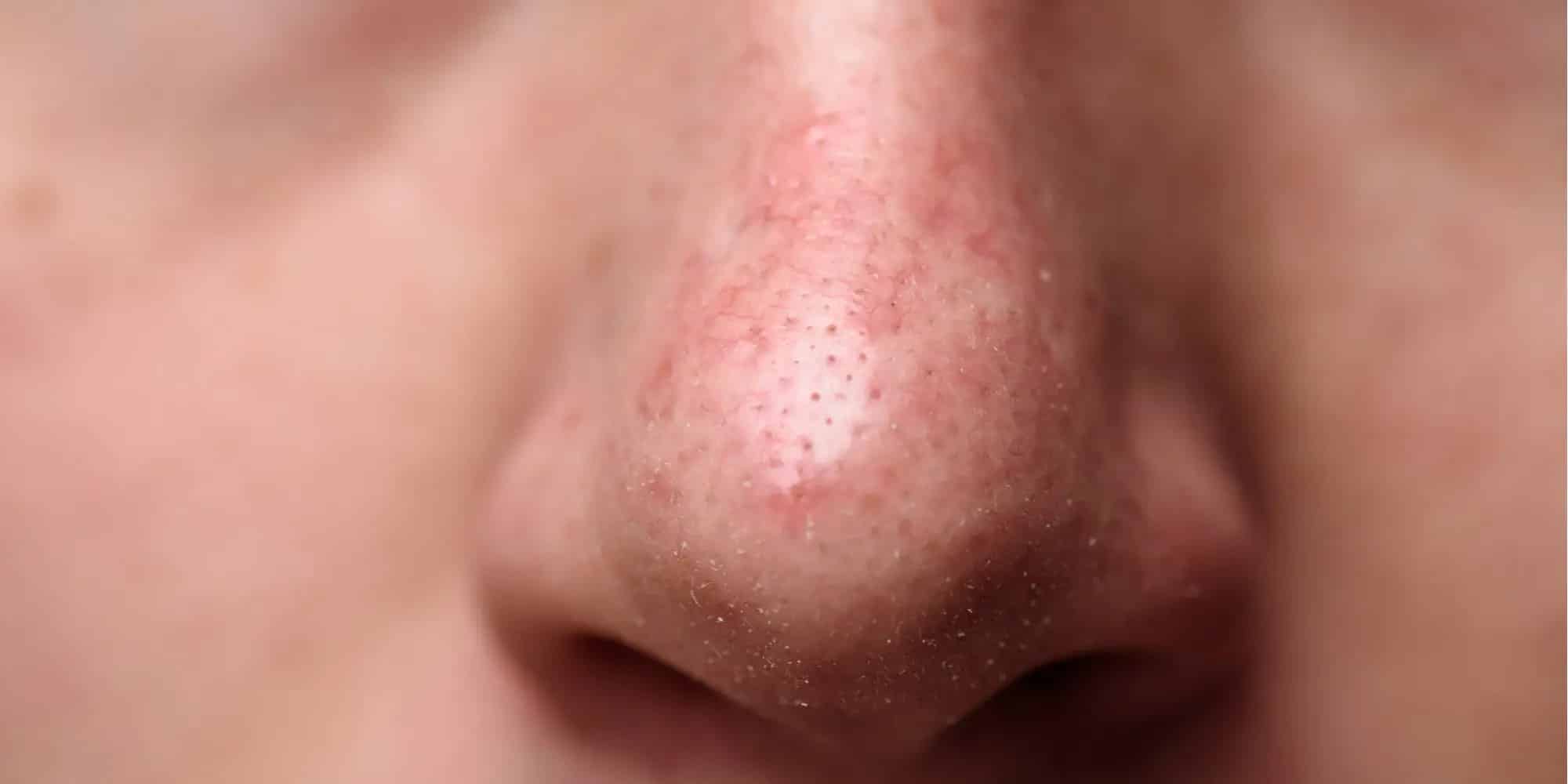
An alcoholic nose rarely appears suddenly. Most people don’t wake up one day with dramatic changes. Instead, it develops in stages. Early on, the nose may flush easily or stay red longer after heat, stress, or alcohol. Over time, those changes can settle in and become permanent.

Common signs include:

  • Skin that gradually becomes thicker and heavier
  • Enlarged pores that make the nose look rough or oily
  • A bumpy or uneven surface
  • Small, clearly visible blood vessels across the nos
  • A rounded or bulb-like shape in more advanced cases

These features fall under a skin disorder, not a cosmetic flaw. While red noses are often seen as a sign of alcohol use, dermatologists regularly diagnose rhinophyma in people who rarely or never drink.

alcoholic nose

Causes of Alcoholic Nose

There is no single cause behind an alcoholic nose, which is one reason it’s often misunderstood. It usually develops through a combination of long-term skin inflammation and individual risk factors.

Some of the most common contributors include:

  • Rosacea: This is the strongest link. People with ongoing rosacea symptoms face a higher risk of developing rhinophyma, though most never reach that stage.
  • Genetics: Skin conditions often run in families. If close relatives have rosacea or thickened skin, the chances increase
  • Age and sex: Rhinophyma appears more often in men, typically later in life.
  • Alcohol consumption: Alcohol does not cause the condition by itself, but heavy drinking can worsen inflammation and flushing, making skin changes progress faster.
  • Everyday triggers: Sun exposure, hot environments, spicy foods, emotional stress, and even certain medications can intensify rosacea symptoms.

It’s also worth noting that general health matters. Circulation, immune response, and skin type all influence how severe the condition becomes. Alcohol may increase the risk, but it’s rarely the whole story.

Let’s find your way back together.

Why Do Alcoholics Have Red Noses?

The connection between red nose and alcohol is rooted in how alcohol affects blood vessels. When someone drinks alcohol, blood vessels near the skin expand. This leads to warmth, flushing, and visible redness—especially on the face.

For individuals with rosacea, this reaction is amplified. Repeated flushing over months or years can cause blood vessels to stay enlarged permanently. That’s when redness stops fading and becomes constant.

Certain drinks make this worse. Red wine, beer, and spirits containing histamines or sulfites tend to trigger stronger reactions. Over time, this fuels the belief that redness equals alcoholism. In reality, redness reflects vascular sensitivity, not addiction itself.

What Causes a Purple Nose?

A nose that looks purple or deep red usually signals more advanced changes beneath the skin. Chronic inflammation and long-standing blood vessel damage affect how oxygen moves through the tissue, which alters color.

In people with long-term excessive alcohol consumption, this discoloration may also reflect broader health concerns. Alcohol affects circulation, liver function, and blood pressure. High blood pressure, in particular, puts added stress on small facial blood vessels, contributing to darker or purplish tones.

Other factors can also play a role:

  • Cold exposure: Repeated constriction and dilation of blood vessels can change skin tone.
  • Allergic rhinitis: Chronic nasal inflammation can darken the skin around the nose.
  • Medication side effects: Some medications cause flushing or discoloration as a reaction.

When a purple nose doesn’t fade, it’s often a sign that medical evaluation—not just skincare—is needed.

There is no shame in asking for help.

Can Alcohol Cause Nose Bleeds?

Alcohol doesn’t usually cause nosebleeds directly, but it does create conditions that make them more likely. Long-term alcohol use affects several systems in the body at once.

Alcohol can:

  • Dehydrates the body, drying out nasal membrane
  • Interfere with clotting due to liver strain
  • Increase blood pressure, placing stress on fragile blood vessels

These side effects make the lining of the nose easier to damage. People who regularly consume alcohol may notice nosebleeds during dry seasons, illness, or after heavy drinking episodes.

Treatment For Alcohol Nose

Treatment depends on how far the condition has progressed. Early stages focus on controlling rosacea symptoms. Advanced cases often require physical intervention.

Common treatment options include:

  • Laser therapy: Used to remove thickened tissue, reduce redness, and improve shape with minimal damage to surrounding skin.
  • Electrosurgery: Helps contour the nose by removing excess skin layers.
  • Surgical excision: Necessary in severe cases where thickened skin interferes with appearance or breathing.

Medications play a supportive role:

  • Topical treatments reduce inflammation and redness
  • Oral antibiotics help control flare-up
  • In select cases, isotretinoin reduces oil gland activity

Lifestyle adjustments also matter. Avoiding known triggers, protecting the skin from sun exposure, and reducing alcohol intake can slow progression and improve results.

Don’t let addiction dim your light.

Alcohol Addiction Treatment at The Hope House

An alcoholic nose doesn’t automatically mean someone has an addiction. Still, visible skin changes can sometimes reflect the long-term effects of alcohol on the body. When drinking becomes excessive, it affects far more than appearance.

At The Hope House in Scottsdale, Arizona, treatment focuses on addressing alcohol use while supporting the whole person. Programs combine evidence-based therapy, counseling, and wellness support to help individuals rebuild their health from the inside out.

Recovery isn’t just about stopping alcohol—it’s about restoring balance, confidence, and long-term well-being.