
Melatonin and Alcohol
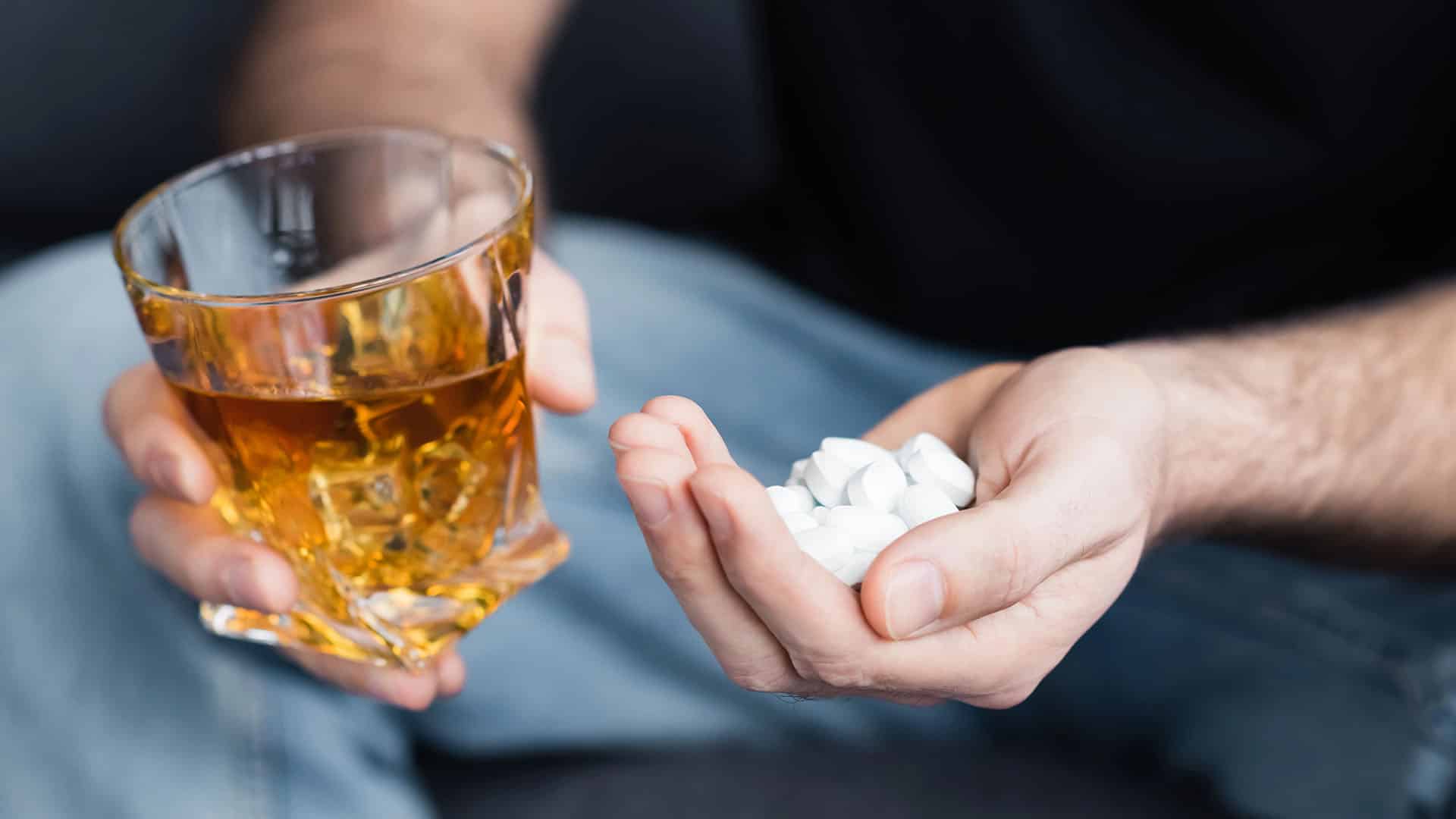
Melatonin supplements help regulate sleep, while alcohol is used to unwind. Both cause drowsiness, leading some to assume they’re safe together. However, alcohol disrupts natural melatonin production and sleep architecture. An NIH study found evening alcohol suppresses salivary melatonin by 15-19% in young adults, worsening sleep quality.
At The Hope House, we counsel clients who used alcohol as a sleep aid, only to face poorer rest and daytime fatigue. The interaction leads to fragmented REM sleep, increased awakenings, and reduced sleep efficiency. Choosing safer sleep strategies prevents this cycle and supports recovery.