
Prozac and Alcohol: Risks, Side Effects, & Safety Tips

Medical Providers:
Dr. Michael Vines, MD
Alex Spritzer, FNP, CARN-AP, PMHNP
Clinical Providers:
Natalie Foster, LPC-S, MS
Last Updated: December 19, 2025

Prozac and Alcohol

Mixing Prozac and alcohol might seem harmless at first maybe just a glass of wine with dinner but it can actually create serious risks. We’ve seen plenty of people underestimate the effects, thinking it won’t matter “just this once,” but that’s not always the case. In this guide, we’ll break down what happens when you mix Prozac and alcohol, what dangers you face, and why it’s worth being cautious.​

From 2015 to 2018, about 13.2% of adults in the U.S. reported using antidepressants like Prozac in the last 30 days. Considering alcohol is widely used, the potential for risky interactions is high. So understanding these effects isn’t just helpful, it’s essential.

Our Prozac Addiction Treatment Centers

Explore effective treatment options for Prozac and alcohol use.

What is Prozac?

Prozac, also called fluoxetine, is one of the most common antidepressants out there. It’s part of a group of medications known as SSRIs, or selective serotonin reuptake inhibitors. Basically, it helps boost serotonin in your brain, the chemical that plays a big role in your mood, sleep, and even appetite. By raising serotonin levels, Prozac can make symptoms of depression and anxiety easier to manage.​

Here’s the thing: Prozac works best when your brain chemistry is steady. Alcohol can throw that off, which is why mixing the two usually isn’t a good idea. You’ll typically start noticing Prozac’s effects after a few weeks, but drinking regularly can make it less effective. That’s why doctors often advise people on Prozac to cut back on alcohol or skip it altogether.​

If you’re dealing with depression alongside alcohol use concerns, our alcohol treatment and rehabilitation programs can help address both issues together.
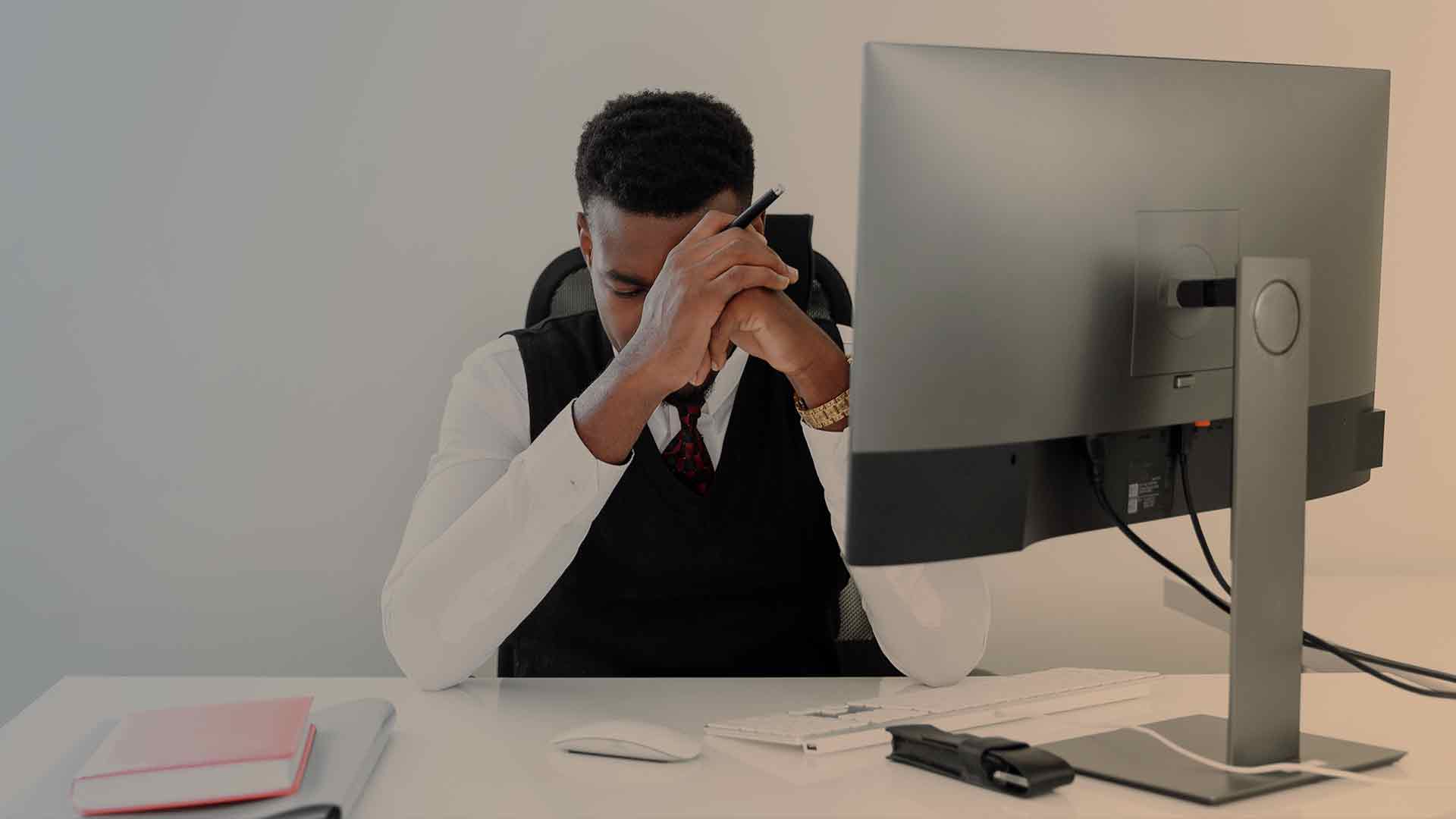
prozac and alcohol

What is Alcohol?

Alcohol is a depressant, a substance that slows down the central nervous system. A small amount can make you feel relaxed or more social, but overdoing it affects judgment, coordination, and overall health. It can also change how medications like Prozac work, sometimes making them less effective or more dangerous.​

The real risk is when alcohol starts interacting with your brain chemistry. Alcohol can worsen mood disorders, trigger anxiety or depressive episodes, and interfere with your body’s ability to process medications safely. So, while a casual drink might seem harmless, it’s really worth thinking twice if you’re on Prozac.

Take the first step toward a healthier life today Get Professional Guidance

Can You Mix Prozac and Alcohol?

You shouldn’t. Alcohol can magnify Prozac’s side effects, things like dizziness, drowsiness, and trouble concentrating. Plus, alcohol can make Prozac less effective in treating depression and anxiety.​

Here’s why it matters: if Prozac doesn’t work as well, your symptoms might come back or even get worse. People sometimes think it’s okay to have a drink here and there, but even small amounts of alcohol can interfere with your treatment. The FDA and medical manufacturers explicitly recommend avoiding alcohol while taking Prozac due to increased side effects and reduced medication effectiveness. That’s why doctors usually recommend abstaining from alcohol while taking Prozac.

Break free from alcohol Feel better, faster

What are the Side Effects of Prozac and Alcohol?

Mixing Prozac with alcohol can make side effects worse, and sometimes create new problems. From experience, here’s what usually happens:​

Feeling Extremely Tired

The combination can make you unusually sleepy, which can make everyday activities like driving dangerous.​

Trouble Moving Well

Coordination issues increase, raising the risk of accidents.​

More Nervousness

Some people actually feel more anxious because both substances affect mood.​

Stomach Issues

Nausea, vomiting, or general stomach discomfort may get worse when combined.​

Serious Health Risk

In rare cases, combining Prozac and alcohol can trigger serotonin syndrome, causing confusion, a racing heartbeat, or high body temperature. This is a medical emergency.​

The side effects can vary depending on how much alcohol is consumed, your health, and dosage of Prozac, but even small amounts can pose risks.​

Find hope and healing with our treatment. Call us today at The Hope House.

Dangers of Mixing Prozac and Alcohol

Mixing Prozac and alcohol is more than just uncomfortable, it can be downright dangerous.

Here are some serious risks to be aware of:​

Reduced Medication Effectiveness

Alcohol can interfere with how Prozac works, which means depression or anxiety symptoms may not improve.​

Higher Risk of Suicidal Thoughts

Alcohol increases impulsivity and can intensify depressive feelings, heightening the risk of self-harm.​

Severe Central Nervous System Slowdown

Both substances depress the nervous system. Together, they can slow breathing and heart rate dangerously, sometimes leading to unconsciousness.​

Liver Strain

Both Prozac and alcohol are metabolized in the liver, so combining them can overwork this organ and worsen pre-existing liver problems.​

Worsened Cognitive Problems

Memory, focus, and decision-making can all decline, raising the risk of accidents or injuries.​

Honestly, these risks aren’t just theoretical, they happen every day. People who mix Prozac and alcohol are much more likely to end up in the ER than those who avoid the combination.

Can Prozac and Alcohol Kill You?

Yes. While reactions vary, mixing Prozac and alcohol significantly raises the risk of severe complications. This can include slowed breathing, fainting, or overdose. In rare but extreme cases, it can even be fatal.​

Here’s what this means for you: avoid alcohol while on Prozac. If you notice severe dizziness, irregular heartbeat, or extreme confusion after drinking, seek medical attention immediately.

Find clarity and peace Recovery starts here

Prozac and Alcohol Rehab Near Me

If you or someone you love struggles with Prozac and alcohol use, help is available. The Hope House in Scottsdale, Arizona, offers personalized treatment programs to safely manage both antidepressant use and alcohol addiction.​

Our comprehensive drug and alcohol treatment programs provide integrated care that addresses the medical, psychological, and social dimensions of recovery.

Treatment options include:​

Getting professional guidance can make all the difference, especially when it comes to avoiding dangerous interactions and managing underlying mental health conditions. Our team understands how medication safety, mental health, and alcohol use are interconnected, and we treat all three together.

prozac and alcohol

Other Drugs Commonly Mixed with Alcohol

Mixing Lexapro and alcohol is generally not recommended due to several reasons. Combining these substances can increase sedation and lead to excessive drowsiness, dizziness, and impaired coordination.

Opioids and alcohol, are two substances that, when misused, can pose serious risks to one’s health and well-being. The dangerous combination of alcohol and opioids has become a significant concern in public health due to the potential for harmful interactions.

The mixture of Adderall and alcohol has gained attention due to the increasing prevalence of prescription stimulant use and alcohol consumption among various age groups. Unfortunately, some individuals may be unaware of the harmful consequences that can arise from this risky combination.

Zoloft and alcohol both slow down the brain as they’re both considered depressants for the central nervous system. Using them together increases the chances of feeling more sleepy, dizzy, and having trouble coordinating, which raises the risk of accidents or injuries.

Looking into how Xanax and alcohol work together shows a potentially risky mix between a strong anti-anxiety drug and a commonly used depressant. This talk delves into the physical and behavioral effects when these substances are used together, pointing out the dangers of their interaction.