
Zoloft and Alcohol: Effects of Mixing Alcohol and Zoloft

Medical Providers:
Dr. Michael Vines, MD
Alex Spritzer, FNP, CARN-AP, PMHNP
Clinical Providers:
Natalie Foster, LPC-S, MS
Last Updated: December 26, 2025

Zoloft and Alcohol

Zoloft and alcohol can interact in ways that really affect your mental and physical health. Zoloft is a popular antidepressant that helps balance brain chemicals to ease symptoms of depression and anxiety. But when you mix it with alcohol, which slows down your central nervous system, things can get complicated. Both slow brain activity, so together they might cause more drowsiness, dizziness, and trouble with coordination. This raises the chance of accidents or injuries. If you’re on this medication, it’s important to know the risks of mixing Zoloft and alcohol, as it could impact how well your treatment works and your overall well-being.

This article dives deep into these topics, pulling from trusted medical sources to give you reliable info on alcohol and Zoloft interactions. With mental health issues touching over 21% of U.S. adults each year, according to the National Institute of Mental Health, it’s key to look at how things like drinking can play into treatment.

Our Zoloft Addiction Treatment Centers

Break free from the cycle Get educated on Zoloft side effects with alcohol

What is Zoloft?

Zoloft, or sertraline as it’s also called, is a prescription drug doctors often suggest for things like major depression, , panic attacks, OCD, PTSD, and social anxiety. It’s part of a group of meds known as SSRIs, which boost serotonin levels in your brain. Serotonin is that chemical that helps with mood, emotions, and how you behave. By keeping more of it around, Zoloft can lessen those tough symptoms and improve daily life for a lot of people.

From the FDA’s guidelines on Zoloft, it usually starts at a low dose like 25 to 50 mg a day, then gets tweaked based on how you respond. Side effects might include nausea, trouble sleeping, or changes in sex drive. It’s one of the top-prescribed antidepressants out there, with more than 38 million scripts filled yearly in the U.S., based on recent health stats. That said, substances like alcohol can mess with how well it works.
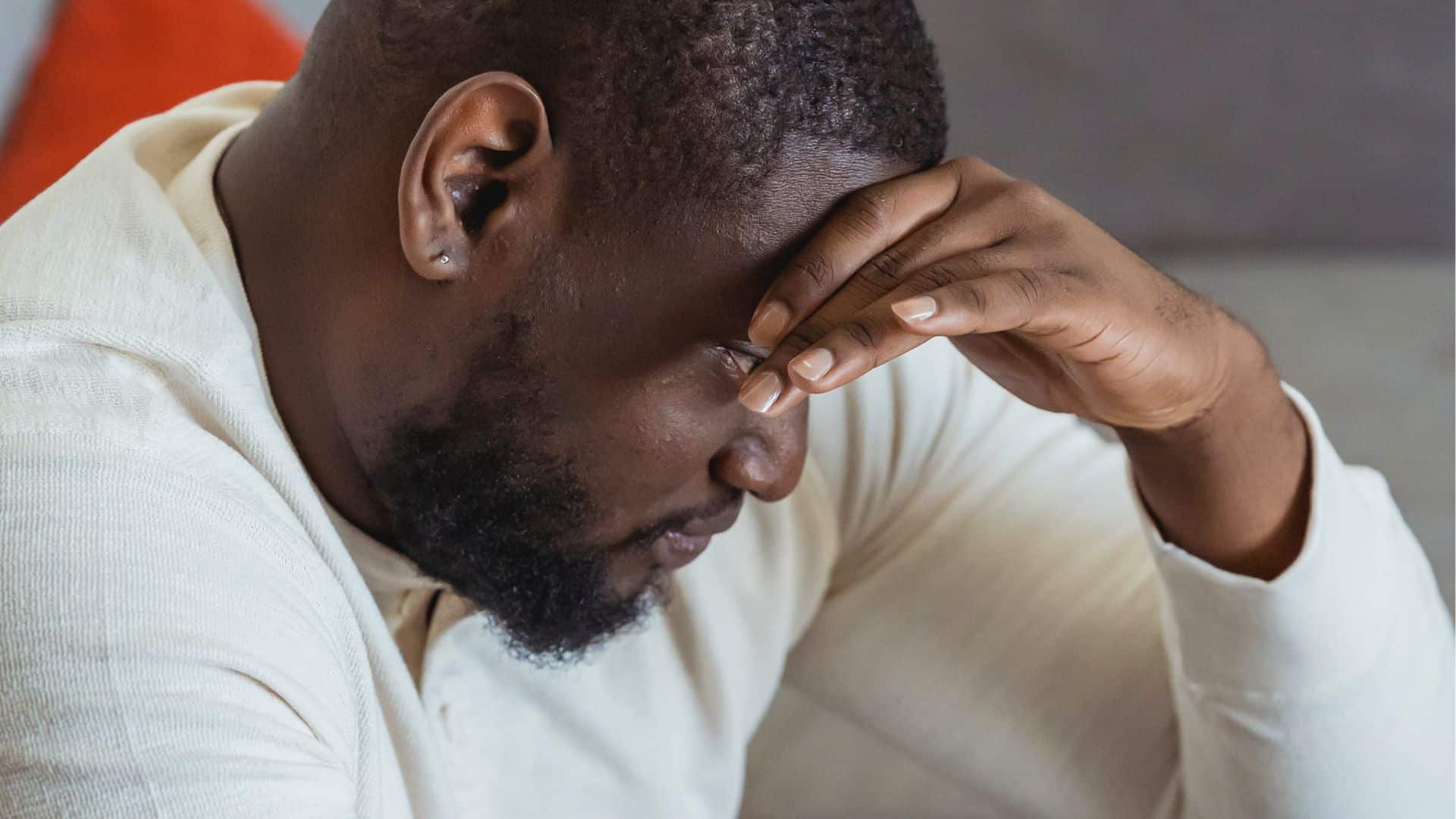
Zoloft and Alcohol

What is Alcohol?

Alcohol, or ethanol in chemical terms, is a mind-altering substance in drinks like beer, wine, liquor, and mixed cocktails. It works as a depressant on your central nervous system, slowing brain functions, changing how you see things, your mood, and even behavior. Once you drink it, it hits your bloodstream fast and affects parts of the brain that handle decisions, balance, and emotions.

Some people enjoy moderate drinking socially, but too much or ongoing use links to problems like liver damage, heart issues, addiction, and foggy thinking. The CDC says excessive drinking leads to over 140,000 deaths a year in the U.S., showing its big impact on health. When thinking about alcohol in relation to mental health, it might give a quick mood lift but often makes anxiety or depression worse in the long run, especially mixed with meds like Zoloft.

Your recovery starts now Explore treatments for Zoloft and alcohol dependence

Can You Mix Alcohol and Zoloft?

It’s usually not a good idea to mix Zoloft and alcohol, since both have calming effects on your brain and nervous system. Can you mix alcohol and Zoloft? Well, it’s not outright banned, but pros from places like the Mayo Clinic and FDA say steer clear because of the boosted side effects. You might feel extra sleepy, dizzy, or clumsy, which could make Zoloft less helpful and up your odds of mishaps.

The FDA’s info on Zoloft mentions that tests on healthy folks didn’t show big boosts in alcohol’s thinking or movement effects, but they still warn against drinking, especially if you’re dealing with depression or anxiety, as it could make things worse. A 2014 study in the Journal of Psychopharmacology found that SSRIs like sertraline plus alcohol might ramp up impulsiveness and memory slips.

Always check with your doctor before drinking alcohol on Zoloft, because your dose, health history, and the way your body processes the medication all play a role. If you’re curious about safe amounts, experts say even one drink a day could be risky, and going without is the best bet.

Dangers of Mixing Zoloft and Alcohol

The dangers come from how Zoloft and alcohol team up on your nervous system, creating short- and long-term issues you should know about. Around 40% of adults take meds that might clash badly with alcohol, per the National Institute on Alcohol Abuse and Alcoholism (NIAAA).

  • Feeling Sleepier: Mixing Zoloft with alcohol can make you super tired and slow your reactions, hurting your focus and upping accident risks, especially when driving or doing alert tasks.
  • Feeling Dizzier: Together, they can make dizziness worse, making falls and injuries more likely, and messing with your balance and movement over time.
  • Trouble Moving: Your coordination might suffer, turning things like using tools or driving into hazards that could cause serious accidents.
  • Zoloft May Not Work as Well: Alcohol can weaken Zoloft’s power against depression or anxiety, slowing your progress and making mental health tougher to manage.
  • Making Mental Health Worse: Drinking on Zoloft could heighten symptoms like depression or anxiety, undoing the med’s good work and possibly starting a downward spiral.
  • Breathing Problems: Both can slow your breathing; combined, it’s risky, especially if you have lung issues already.
  • More Thoughts of Suicide: The combo might increase suicidal thoughts, particularly if you’ve had them before with depression.
  • Bad Decision Making: It can cloud your judgment, leading to risky choices that cause harm, injuries, or other troubles.
  • Worse Sleep Problems: Alcohol throws off sleep, and with Zoloft, it could make insomnia or restless nights even worse, hitting your mental health harder.
  • More Risk of Addiction: Mixing them regularly might build tolerance, raising chances of getting hooked on one or both; research shows problem drinkers are 1.5 times more likely to be on antidepressants.

On top of that, ongoing risks include extra stress on your liver, since both get processed there, which might lead to damage. The National Alliance on Mental Illness (NAMI) highlights higher suicide risks with this mix.

Overcome the challenges Discover help for mixing Zoloft and alcohol

What Are the Side Effects of Zoloft and Alcohol?

Zoloft (sertraline) is a commonly prescribed antidepressant that belongs to the selective serotonin reuptake inhibitor (SSRI) class of medications. It is used to treat various mental health conditions, including depression, anxiety, and obsessive-compulsive disorder.

However, combining Zoloft with alcohol can lead to several adverse effects. It is crucial to understand the potential risks associated with this combination. Here are some common side effects:

  • Gastrointestinal disturbances: The combination of Zoloft and alcohol may contribute to gastrointestinal discomfort, including nausea, vomiting, and diarrhea.
  • Risk of serotonin syndrome: Concurrent use of Zoloft and alcohol increases the risk of serotonin syndrome, a potentially serious condition characterized by symptoms such as agitation, hallucinations, rapid heartbeat, fever, muscle stiffness, and loss of coordination.
  • Liver function concerns: Both Zoloft and alcohol can impact liver function, and combining them may increase the strain on the liver, potentially leading to liver damage over time.
  • Reduced effectiveness of Zoloft: Alcohol consumption may diminish the effectiveness of Zoloft, as the two substances may interact in a way that compromises the therapeutic benefits of the medication.

Heal and thrive Address Zoloft interactions with alcohol today

Expert Recommendations and Alternatives

Experts from the Mayo Clinic and NAMI suggest ditching alcohol completely while on Zoloft. If you can’t avoid social drinks, talk it over with your doctor, though most say no. Try mocktails, CBT therapy, or habits like working out and mindfulness to boost mental health without the downsides. For people dealing with both alcohol use challenges and mental health conditions, programs that address both can make a meaningful difference.

All in all, while everyone reacts differently, the word from top sources is to avoid Zoloft and alcohol mixes for better mental health results. Get tailored advice from a pro.

Overcome Addiction in Luxury Comfort

If you’re dealing with the challenges of mixing Zoloft and alcohol, or struggling with alcohol dependence and mental health issues, you’re not alone. At The Hope House, our luxury residential rehab center in Scottsdale, Arizona, offers personalized, evidence-based treatment to help you reclaim your life.

With programs for dual diagnosis, executive care, and holistic recovery in a serene, private setting, we provide the support you need. Contact us today at 480-447-4252 or visit The Hope House to verify insurance, take a virtual tour, or start your free assessment. Your path to healing begins here.

zoloft and alcohol

Find hope and support Tackle Zoloft and alcohol dependence

Other Drugs Commonly Mixed with Alcohol

Mixing Lexapro and alcohol is generally not recommended due to several reasons. Combining these substances can increase sedation and lead to excessive drowsiness, dizziness, and impaired coordination.

Opioids and alcohol, are two substances that, when misused, can pose serious risks to one’s health and well-being. The dangerous combination of alcohol and opioids has become a significant concern in public health due to the potential for harmful interactions.

The mixture of Adderall and alcohol has gained attention due to the increasing prevalence of prescription stimulant use and alcohol consumption among various age groups. Unfortunately, some individuals may be unaware of the harmful consequences that can arise from this risky combination.

Looking into how Xanax and alcohol work together shows a potentially risky mix between a strong anti-anxiety drug and a commonly used depressant. This talk delves into the physical and behavioral effects when these substances are used together, pointing out the dangers of their interaction.

Discovering the risks of using Prozac and alcohol together is essential for your well-being. Let’s explore the potential dangers and interactions you should know about when combining Prozac and alcohol.