
How Long Does Ecstasy Stay in Your System? Complete Guide

Medical Providers:
Dr. Michael Vines, MD
Alex Spritzer, FNP, CARN-AP, PMHNP
Clinical Providers:
Natalie Foster, LPC-S, MS
Last Updated: February 5, 2026

Ecstasy, commonly called MDMA, is often used in nightlife settings for its stimulating and mood-enhancing effects. People report feelings of euphoria, emotional openness, and increased energy. At the same time, MDMA places real stress on the body, especially on hydration, temperature regulation, and mental health.

According to the Centers for Disease Control and Prevention (CDC) 2021 Youth Risk Behavior Survey, 2.9% of high school students reported ever using ecstasy (also called MDMA or Molly) one or more times during their life (2021 Youth Risk Behavior Survey).

Understanding how long ecstasy stays in your system can help you make safer decisions, prepare for drug testing, and recognize when use may be becoming a bigger issue.


Our Ecstasy & MDMA Addiction Treatment Programs

Using party drugs too often? See how The Hope House can help.

In most cases, ecstasy can be detected in urine for up to three to four days after use. Some advanced or highly sensitive tests may identify MDMA metabolites slightly longer, especially in people who use larger amounts or use the drug repeatedly.

How long MDMA stays in your system is not the same for everyone. Several personal and biological factors influence how quickly the body breaks it down and eliminates it.

heavy weight have slower metabolism

Heavy Weight

Higher body fat can slow elimination because MDMA is partially stored in tissues.

fast metabolism can eliminate drugs faster

Fast Metabolism

Faster metabolic rates typically clear drugs more quickly.

ecstasy combine with other drugs affects each other

Amount Taken

Larger doses take longer to process and remove.

Stopwatch Showing The Severe Symptoms Of Addiction

Use Frequency

Repeated use can lead to buildup and longer detection times.

ecstasy combine with other drugs affects each other

Other Drugs

Mixing MDMA with alcohol or other drugs changes how it is metabolized.

using drugs longer affects ones health

Health Conditions

Liver or kidney issues can significantly slow clearance.

Urine testing is the most common method, but it is not the only way MDMA can be detected. Before reviewing testing methods, it helps to understand how the drug moves through the body.

Stop letting MDMA control your life Get professional addiction treatment now

A drug’s half-life refers to the amount of time it takes for half of the substance to leave the bloodstream. MDMA has an average half-life of about eight hours.

This means that if someone takes MDMA, half of the drug remains in the body eight hours later. Another eight hours after that, roughly half of what remained is still present, and the process continues until the drug is fully eliminated.

For many people, MDMA is mostly cleared within two to four days, but this varies based on metabolism, dose, and frequency of use. Someone who uses MDMA on a weekend may still test positive early in the following week, even if they feel sober.

Half-life explains how long MDMA stays active in the body, but it does not always match drug test detection windows.

Drug tests look for MDMA or its metabolites, not just the active drug. Because of this, MDMA can still be detected after the effects have worn off.

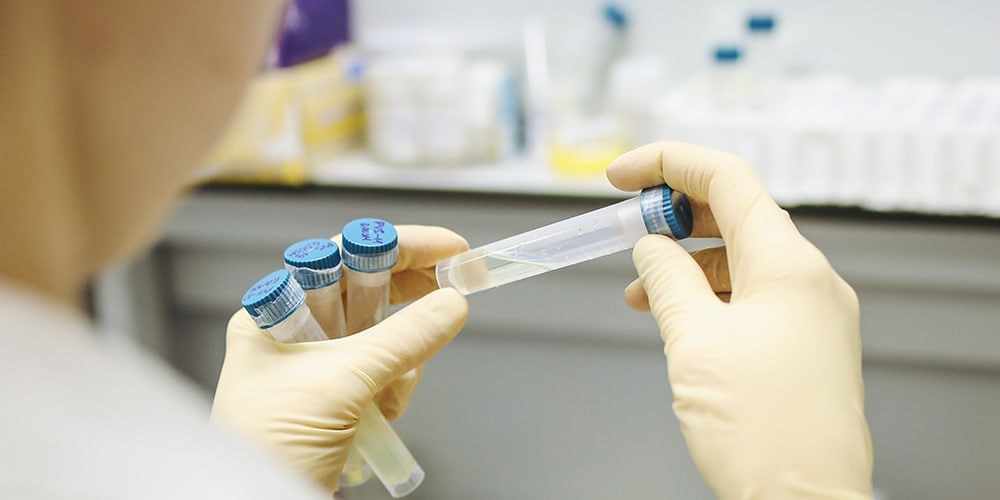
holding test tube urine samples to preparing for analysis

Urine testing is the most commonly used screening method. It detects MDMA metabolites produced as the body breaks the drug down.

Most urine tests detect MDMA for up to three days, though heavy or repeated use may extend this window slightly. MDMA addiction and withdrawal support.

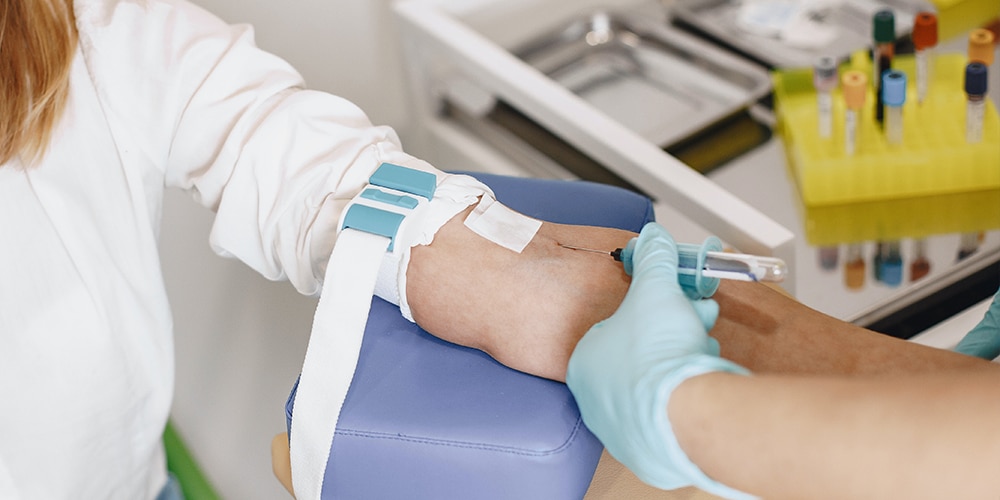
doctor drawing out some blood for blood testing

Blood testing is more precise but has a much shorter detection window. It identifies MDMA directly in the bloodstream.

MDMA is usually detectable in blood for up to 24 hours, sometimes less depending on dose and metabolism.

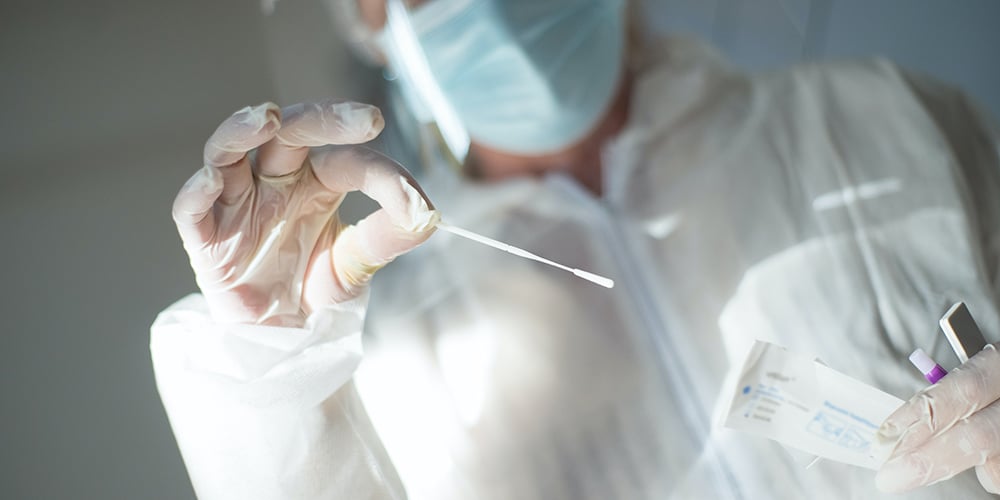
doctor getting some saliva to test for ecstasy

Saliva tests are quick and noninvasive. They are often used in roadside or workplace screenings.

MDMA can appear in saliva within minutes of use and is typically detectable for 12 to 48 hours.

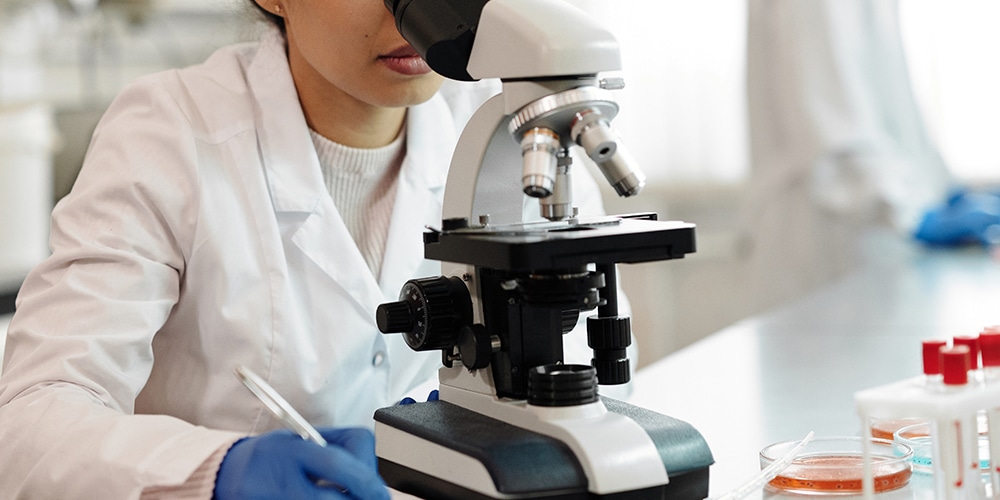
analyzing the hair sample through microscope

Hair testing has the longest detection window. It identifies drug metabolites trapped in hair as it grows.

MDMA may be detectable in hair for up to 90 days, making this method useful for identifying longer-term or repeated use rather than recent intoxication. Ecstasy withdrawal and detox programs.

If you are worried about failing a drug test because of ecstasy or another substance, it may be a sign that use is becoming harder to control. Many people reach out for help only after consequences appear, but support is available long before things reach a breaking point.

At The Hope House in Scottsdale, Arizona, we provide structured, evidence-based treatment in a private and supportive setting. Our luxury residential rehab programs focus on both the physical effects of substance use and the emotional patterns that keep it going. Our masters-level clinical team offers dual diagnosis care for MDMA-related mental health concerns.

The answer to the question “how long does cocaine stay in your system” is, cocaine is typically detectable in urine for about 2-4 days after use, although its metabolites can be detected for a longer period, often up to several weeks. The exact duration of detection can vary based on factors such as the amount used, frequency of use, metabolism, and individual differences.

The answer to the question “how long does heroin stay in your system” is that heroin usually stays in your system for around 2 to 3 days. This means it can be found in your urine, blood, or saliva during this time after use. Remember, the exact duration can be influenced by factors like how much you take and your body’s metabolism.

The answer to the question “how long does meth stay in your system” is that methamphetamine, or meth, can stay in your system for about 2 to 4 days, but it might be detectable for up to a week in some cases. This depends on factors like how much you’ve used, your metabolism, and the type of drug test being used.

The answer to the question “how long does alcohol stay in your system” can vary depending on factors like the amount consumed, your metabolism, and other factors. On average, alcohol can be detected in your urine for up to 48 hours and in your blood for about 12 hours. However, it’s important to note that heavy drinking can lead to longer detection times.

The answer to the question “how long does xanax stay in your system” is that Xanax, a medication for anxiety, typically stays in your system for about 4 days. This means that after taking it, it can be detected in your body for up to four days through tests like urine or blood samples.

The answer to the question “how long does suboxone stay in your system” can vary. Suboxone can be detected in urine tests for up to several days, and sometimes even longer. But its effects might last even beyond that. Naloxone leaves the system faster, usually within a day or so.

The answer to the question “how long does fentanyl stay in your system” is that fentanyl and its metabolites can be detectable in urine for around 1-2 days after use. However, this detection window can vary depending on factors like the dosage, frequency of use, individual metabolism, and the specific drug test being employed.

The answer to the question “how long do opioids stay in your system” can vary widely depending on the specific opioid, the dosage, individual metabolism, and the type of drug test being used. Generally, opioids can be detectable in urine for around 2 to 4 days after use, but some opioids with longer half-lives can be detected for a longer period.

The answer to the question “how long does weed stay in your system” is that marijuana can stay in your system for different lengths of time depending on factors like how often you use it and your metabolism. Typically, it can be detected in urine for up to 30 days, but for infrequent users, it might only be detectable for a few days to a week.

The answer to the question, “how long does ambien stay in your system” is that Ambien (zolpidem) typically stays in your system for about 8 hours, with its effects diminishing after that time. However, it may be detectable in urine for up to 72 hours after use, depending on factors like dose, frequency of use, and individual metabolism.

The answer to the question, “how long does methadone stay in your system” is that methadone can typically be detected in urine for up to 7-10 days after the last dose, but this duration can vary depending on factors like individual metabolism and the frequency of use. In some cases, it may be detectable in hair follicles for several months.

The answer to the question, “how long does percocet stay in your system” is that Percocet can typically be detected in urine for about 3-4 days after the last dose. However, the exact duration may vary depending on factors such as individual metabolism, dosage, and the sensitivity of the drug test used.

Ecstasy use affecting your future Start your path to freedom today